If your child melts down in loud places—cafeterias, assemblies, birthday parties, gyms, busy classrooms, or even crowded stores—it can be confusing and stressful. Many caregivers wonder: “Is this anxiety?” “Is my child being defiant?” “Will they grow out of it?”
Noise-related meltdowns are common, and they often have a meaningful explanation. In many cases, a meltdown is not a choice; it is a signal that your child’s nervous system is overwhelmed. Understanding what may be happening is the first step toward practical support at home and at school.
Meltdown vs. Tantrum: Why the Difference Matters
Although they can look similar on the outside, tantrums and meltdowns typically have different drivers.
Tantrums are often goal-oriented (e.g., wanting an item, avoiding a task) and may reduce when the child gets what they want or when attention changes.
Meltdowns are usually overload-driven. The child may not be able to “snap out of it” quickly because their brain and body are in a stress response (fight, flight, or freeze).
In loud environments, meltdowns are frequently related to sensory processing, anxiety, communication challenges, or a combination of factors. The key is to look for patterns and triggers rather than assuming misbehavior.
Common Reasons Loud Places Trigger Meltdowns
1) Sensory Processing Differences (Auditory Sensitivity)
Some children experience sound more intensely than others. What feels like “background noise” to one child can feel physically uncomfortable or even painful to another. This is sometimes described as auditory hypersensitivity.
In a loud setting, the brain may struggle to filter and prioritize sounds. Multiple voices, scraping chairs, echoes, music, announcements, and sudden claps can blend into an overwhelming sensory “wall.” When the nervous system hits its limit, a meltdown can occur.
2) Difficulty Filtering and Organizing Information
Loud places are not only noisy; they are also fast-moving and unpredictable. Children may have trouble:
figuring out which voice to listen to
processing directions when there is competing noise
keeping track of transitions (line up, sit down, move stations)
staying regulated when routines change
This can be especially challenging for children with attention differences, language processing needs, or executive functioning difficulties.
3) Anxiety and Anticipation
Sometimes the meltdown starts before the child even enters the loud environment. If a child has learned that the cafeteria or assembly is overwhelming, they may experience anticipatory anxiety. Their body may already be in a heightened state, making it easier to tip into a meltdown once the noise begins.
4) Communication Challenges
When children cannot easily express discomfort, ask for a break, or explain what feels “too much,” they may communicate through behavior instead. Loud places can also make it harder to understand speech, which can increase frustration. For some children, especially those with speech-language needs, the combination of noise and communication demands can be a perfect storm.
5) Fatigue, Hunger, or “End-of-Day” Overload
Noise tolerance often drops when a child is tired, hungry, or has already worked hard to cope all day. A child might manage a noisy morning but melt down during lunch or after school because their regulation “battery” is depleted.
Signs Your Child May Be Experiencing Sensory Overload
Not every child shows overload the same way. Some signs that loud environments are triggering nervous system stress include:
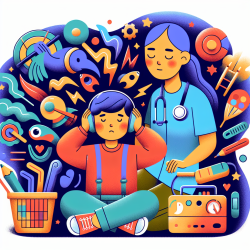
covering ears, wincing, or crying when noise increases
trying to escape the area (running away, hiding, bolting)
becoming suddenly irritable, tearful, or aggressive
shutting down (going quiet, refusing to move, appearing “frozen”)
complaining of headaches or stomachaches in noisy settings
difficulty following directions when the environment is loud
These behaviors are often best understood as a child asking for help—without having the words or skills to do so calmly in that moment.
What You Can Do: Practical Supports for Home and Community
Track Patterns and Triggers
Start with simple observation. Note:
where meltdowns happen (cafeteria, gym, parties, stores)
when they happen (time of day, before/after transitions)
what sounds were present (echoing room, microphone, music)
early warning signs (ear covering, pacing, clinginess)
This information helps you and school staff move from guessing to planning.
Create an “Exit Plan”
Many children do better when they know they can leave a loud environment safely. Consider:
a designated quiet spot (hallway bench, library corner, calm-down space)
a simple signal or card the child can use to request a break
a predictable routine: “If it gets too loud, we take a 3-minute break, then decide whether to return.”
Use Sound-Reducing Tools Thoughtfully
Some children benefit from:
child-sized earmuffs or noise-reducing headphones
earplugs designed for kids (with supervision and guidance)
The goal is not to avoid sound forever, but to reduce intensity while your child builds coping skills.
Teach Regulation Skills When Your Child Is Calm
Skills are learned best outside the meltdown moment. Practice:
simple breathing strategies (e.g., “smell the flower, blow the candle”)
grounding techniques (pressing feet into the floor, squeezing hands)
short scripts: “Too loud. Break please.”
rating scales (1–5) to describe how loud feels
Over time, children can learn to notice early signs and use tools before they reach a breaking point.
How Schools Can Support Children Who Struggle with Noise
Because loud environments are part of school life, school-based supports can make a significant difference. Helpful accommodations and strategies may include:
alternative lunch settings or quieter seating options
previewing assemblies and offering a planned break
staggered transitions to reduce hallway noise
visual schedules and clear, brief directions
access to a calm space or sensory tools
adult check-ins before known triggers (cafeteria, pep rallies)
When these supports are proactive (not only reactive), children often show improved participation, confidence, and emotional regulation.
When to Seek Additional Help
If loud-place meltdowns are frequent, intense, or interfering with school attendance, learning, or family life, it may be time to consult professionals. Depending on your child’s needs, support might include:
Occupational therapy to address sensory processing and self-regulation strategies
Speech-language therapy to strengthen functional communication, comprehension in noise, and self-advocacy language
Behavioral or mental health support when anxiety, trauma, or emotional regulation challenges are significant factors
Importantly, these supports can work together. A child may need both sensory strategies and communication tools, especially in complex school environments.
How TinyEYE Supports Schools and Students
TinyEYE provides online therapy services to schools, helping teams support students where they are—academically, socially, and emotionally. For children who melt down in loud places, online therapy can contribute by:
building self-advocacy language (how to request breaks or accommodations)
teaching regulation strategies that can be practiced consistently
collaborating with educators to identify triggers and implement supports
supporting individualized goals that improve participation in school routines
When families and schools share observations and use consistent strategies, children are more likely to feel safe, understood, and capable—even in challenging environments.
A Compassionate Reframe: Your Child Is Communicating a Need
A meltdown in a loud place often means, “This is too much for my body and brain right now.” With the right supports, many children improve their tolerance, learn coping strategies, and gain confidence navigating busy environments. The path forward is not about forcing endurance; it is about building skills, adjusting environments where possible, and helping your child feel successful.
For more information, please follow this link.