
In the bustling corridors of schools, where the air is filled with the enthusiasm of learning and the occasional clatter of lockers, lies an often overlooked aspect of educational leadership: psychological safety. For school administrators—principals and vice-principals—navigating the complexities of educational environments is not just about managing day-to-day operations but also about ensuring a psychologically safe atmosphere for themselves and their staff.
The Complexity of Leadership Roles
The role of a school administrator is multifaceted, involving strategic leadership, policy implementation, and maintaining a supportive school climate. The recent study by Dr. Fei Wang from the University of British Columbia sheds light on the invisible barriers to speaking out that many school administrators face. These barriers often stem from hierarchical structures and policy constraints that limit their professional autonomy.
School administrators are often caught in a web of expectations from various stakeholders, including teachers, parents, district officials, and community members. The need to balance these demands while fostering an inclusive and safe educational environment can be overwhelming. This is where psychological safety becomes crucial.
What is Psychological Safety?
Psychological safety refers to an environment where individuals feel safe to express ideas, ask questions, and admit mistakes without fear of negative consequences. In schools, this means creating a culture where administrators can lead with confidence, knowing they have the support to make decisions that benefit their students and staff.
The study highlights that many school administrators feel constrained by policies that do not always align with the realities of their schools. This misalignment can lead to a sense of helplessness and fear of reprisal when attempting to advocate for necessary changes or innovations.
Strategies for Fostering Psychological Safety
- Encourage Open Communication: Establish regular check-ins with staff and district officials to discuss concerns and brainstorm solutions collaboratively.
- Provide Professional Development: Offer training on crisis management, leadership skills, and emotional intelligence to better equip administrators for their roles.
- Create Support Networks: Facilitate peer support groups where administrators can share experiences and strategies for overcoming challenges.
- Advocate for Policy Changes: Work with district leaders to revise policies that hinder creativity and autonomy in decision-making processes.
The Role of Online Therapy
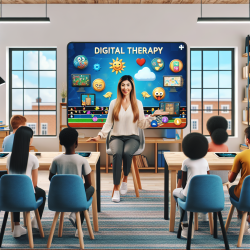
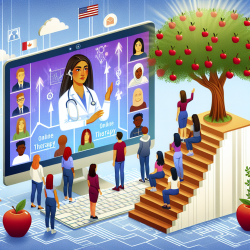
This is where services like those provided by TinyEYE come into play. By offering online therapy services tailored specifically for educational settings, TinyEYE helps schools support their administrators' mental health needs. These services provide a confidential space for school leaders to explore their challenges and develop coping strategies without leaving their busy work environments.
TinyEYE's online therapy sessions can be instrumental in helping school administrators manage stress, build resilience, and maintain a positive work-life balance. By prioritizing psychological safety and mental health support, schools can create more effective leaders who are well-equipped to handle the demands of modern education.
Conclusion
The psychological safety of school administrators is not just a personal concern; it impacts the entire educational community. By understanding the challenges they face and implementing strategies to support them, we can create healthier school environments where both students and staff thrive.
For more information on this topic, please follow this link.