As a parent or guardian navigating the world of special education, understanding the distinctions between different types of therapies can be crucial for your child's development. Two common therapeutic interventions are speech therapy and occupational therapy. Each serves unique purposes and offers distinct benefits to children with various needs.
What is Speech Therapy?
Speech therapy focuses on improving a child's ability to communicate effectively. This includes not only verbal communication but also non-verbal cues such as body language and facial expressions. The goal is to enhance the child's ability to express themselves and understand others.
Key areas addressed in speech therapy include:
- Articulation: Helping children pronounce words correctly.
- Fluency: Addressing stuttering or hesitations in speech.
- Voice: Working on pitch, volume, and quality of voice.
- Receptive Language: Improving the ability to understand spoken language.
- Expressive Language: Enhancing the use of words and sentences to convey thoughts.
What is Occupational Therapy?
Occupational therapy (OT) helps children develop the skills needed for daily living and academic success. It focuses on enhancing fine motor skills, sensory processing, coordination, and self-care abilities.
The main areas targeted in occupational therapy include:
- Fine Motor Skills: Improving hand-eye coordination and dexterity for tasks like writing or buttoning clothes.
- Sensory Processing: Helping children respond appropriately to sensory input from their environment.
- Gross Motor Skills: Enhancing larger movements like running or jumping.
- Cognitive Skills: Supporting attention, memory, and problem-solving abilities.
- Social Skills: Assisting in developing appropriate social interactions with peers.
The Intersection of Speech and Occupational Therapy
While speech and occupational therapies have distinct goals, they often intersect. For example, a child with autism might need both types of therapy to improve communication skills while also developing better sensory processing abilities. Collaboration between therapists ensures comprehensive care tailored to each child's unique needs.
The Role of Online Therapy Services
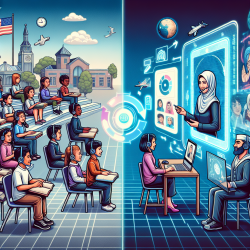
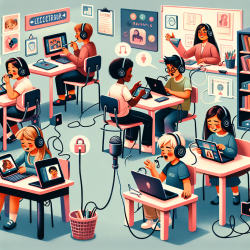
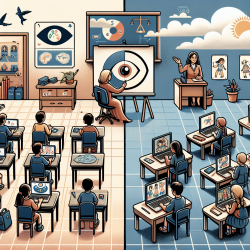
The advent of online therapy services has revolutionized access to both speech and occupational therapies. Platforms like TinyEYE provide flexible solutions that bring expert therapists into your home via digital means. This approach not only broadens accessibility but also allows for personalized treatment plans that cater to your child's specific requirements without geographical constraints.
The Benefits of Choosing Online Therapy with TinyEYE
- Convenience: Schedule sessions at times that suit your family's lifestyle without the need for travel.
- Diverse Expertise: Access a wide range of specialists who can address various developmental challenges.
- Engagement: Interactive sessions keep children engaged and motivated to participate in their own progress.
If you're considering therapy options for your child, understanding these distinctions can help you make informed decisions about their care. Whether it's speech or occupational therapy—or a combination of both—choosing the right path can make a significant difference in your child's developmental journey.
For more information, please follow this link.