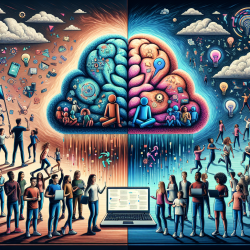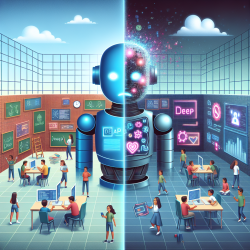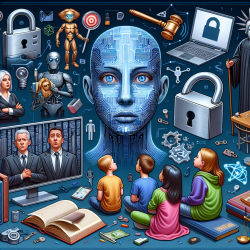
The digital landscape is evolving at an unprecedented pace, with deepfakes emerging as a significant concern. These AI-generated synthetic media forms—ranging from images to audio—pose unique challenges in distinguishing reality from fabrication. While they offer creative potential in entertainment, the risks they present, particularly to vulnerable groups such as children, demand urgent attention.
Deepfake Technology: An Overview
Deepfakes utilize advanced AI technologies like generative adversarial networks (GANs) to create hyper-realistic synthetic media. The technology's roots trace back over two decades in academia but gained widespread attention in 2017 with the popularization of the term 'deepfake.' Two primary types exist: those transforming existing media and those generated entirely by AI models.
The sophistication of these technologies has grown exponentially, making detection increasingly difficult. Early deepfakes often displayed noticeable flaws, but current iterations can be indistinguishable from genuine content. This evolution poses a challenge across sectors, notably affecting information integrity and trust.
The Societal Impact and Risks of Deepfakes
The proliferation of deepfakes has societal implications, particularly in spreading misinformation. A projected 8 million deepfakes are expected to circulate by 2025. Studies highlight that even IT experts struggle with detection, indicating a gap in public awareness and capability.
Younger users are notably vulnerable. Surveys reveal that while many teenagers have engaged with generative AI tools, a significant portion lacks confidence in identifying deepfakes. This vulnerability extends to harmful practices such as grooming and cyberbullying, exacerbated by the ease of creating non-consensual content.
Malicious Uses and Legal Concerns
Deepfakes have legitimate applications but also potential for misuse in spreading fake news or committing crimes like fraud or harassment. The EU's strategy highlights risks specific to children due to their developing cognitive abilities. For example, manipulated media can distort their perception of reality.
The rise in deepfake-related crimes underscores the need for robust legal frameworks. In response, some jurisdictions have begun legislating against non-consensual deepfake creation and distribution.
Mitigating Deepfake Risks
Technological Solutions
Tackling deepfake threats involves both detection and prevention strategies. Technologies like watermarking aim to identify AI-generated content. However, these methods face limitations; watermarks can be removed unless consistently applied across industries.
Detection technologies are advancing but struggle to keep pace with AI developments. Solutions include machine learning and forensic analysis approaches aimed at identifying synthetic content.
Legislation and Policy
The EU's Artificial Intelligence Act addresses transparency obligations for synthetic content labeling but lacks specific guidelines for implementation. The Digital Services Act also seeks to mitigate online harm through regulatory measures.
Educational Initiatives
Education plays a critical role in enhancing digital literacy among children and adults alike. Initiatives focusing on AI literacy can empower individuals to discern between real and synthetic media.
The European Commission is working on an AI literacy framework expected by 2026 to support educators in integrating these competencies into curricula.
The Path Forward
Tackling the challenges posed by deepfakes requires a multi-faceted approach involving technological innovation, legislative action, and public education. Enhanced cooperation at both national and international levels is essential for developing effective tools and policies.
This effort must include strengthening generative AI literacy among children, parents, and educators while ensuring industry compliance with emerging regulations like the AI Act and Digital Services Act.
The road ahead is complex but crucial for safeguarding digital trust and protecting vulnerable populations from exploitation through advanced technologies like deepfakes.
For more information, please follow this link.