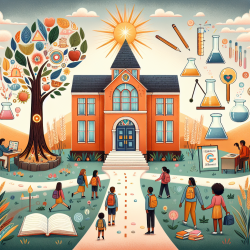
As educational environments evolve, the concept of trauma-informed schools has gained traction. This approach recognizes the impact of trauma on students and integrates practices to create safe and supportive learning environments. Particularly for Indigenous students, who often face unique challenges due to historic and intergenerational trauma, trauma-informed practices can be transformative.
The Importance of Trauma-Informed Practices
Trauma-informed schools focus on understanding the roots of students' challenges rather than solely addressing symptoms. By shifting from asking "What is wrong with you?" to "What happened to you?", educators can foster healing and resilience. This approach is vital in Indigenous communities where the legacy of colonization continues to affect educational outcomes.
Key Themes in Trauma-Informed Education
- Cultural Competency: Schools must increase cultural sensitivity among staff and students to create inclusive environments. Training programs like the OFIFC's Aboriginal Cultural Competency Training are essential for building this capacity.
- Indigenous Culture in Classrooms: Integrating Indigenous perspectives into curricula enhances learning for all students. This includes offering more classes on Indigenous languages, history, and arts.
- Support Systems: Schools need robust support systems tailored for Indigenous students. These include access to culturally competent counselors and programs that address both educational and personal development needs.
- Building Relationships: Positive relationships between students and authority figures are crucial. Schools should facilitate trust-building activities and create open lines of communication.
Implementing Trauma-Informed Approaches
The Ontario Federation of Indigenous Friendship Centres (OFIFC) has been at the forefront of researching trauma-informed practices in schools. Their studies highlight the importance of community-driven approaches that incorporate local knowledge and cultural teachings.
Recommendations for Schools
- Create positive Indigenous spaces within schools that are equipped with resources like traditional medicines and cultural items.
- Engage Elders and Knowledge Keepers in educational activities to enrich learning experiences with authentic cultural insights.
- Ensure clear communication about available supports for Indigenous students, including transitions from elementary to secondary education.
- Develop advocacy opportunities for Indigenous students to voice their ideas and concerns within school systems.
The Role of Community Engagement
A critical element of successful trauma-informed schools is community involvement. Engaging parents, caregivers, and community members in school activities ensures that educational practices are aligned with the needs and values of Indigenous communities. Friendship Centres play a pivotal role by offering programs that support both educational success and cultural preservation.
The Path Forward
The journey towards creating trauma-informed schools is ongoing. It requires commitment from educators, policymakers, and communities to implement practices that honor Indigenous culture while addressing historical injustices. By fostering an environment where all students feel valued and understood, schools can become powerful agents of change.
For more information, please follow this link.