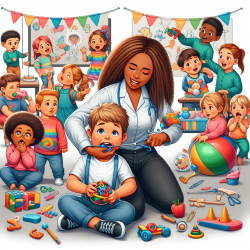

If your child chews on shirt collars, hoodie strings, pencils, toys, or even non-food items, you are not alone. Chewing is a common behavior in childhood, and it can mean very different things depending on a child’s age, sensory needs, emotional state, and learning environment. For some children, chewing is a brief developmental phase. For others, it becomes a frequent habit that affects attention, classroom participation, clothing, hygiene, or safety.
This article outlines the most common reasons children chew on everything, what the behavior may be communicating, and practical strategies that families and schools can try. It also explains when to consider additional support through school-based services.
Chewing as Communication: What the Behavior Can Signal
Chewing is not always “misbehavior.” In many cases, it is a form of self-regulation—an attempt to meet a sensory or emotional need. Children may not yet have the language or self-awareness to say, “I need help calming down,” or “I can’t focus,” or “My mouth feels uncomfortable.” Chewing can become their workaround.
Common underlying drivers include:
- Seeking sensory input (oral sensory seeking)
- Reducing stress or anxiety
- Supporting attention and focus
- Exploring the environment (especially in younger children)
- Responding to oral discomfort (teething, dental issues)
- Habit formation and learned coping
- Nutritional or medical factors (in some cases)
1) Sensory Seeking: The “Oral Input” Explanation
One of the most frequent reasons children chew on non-food items is oral sensory seeking. Chewing provides strong proprioceptive input (deep pressure) to the jaw and mouth. For some children, this input is organizing and calming—similar to how some people feel better after stretching, fidgeting, or taking a brisk walk.
In the classroom, oral sensory seeking may show up as:
- Chewing pencils, erasers, or pen caps
- Gnawing on shirt sleeves, collars, or hair
- Mouthing small toys or classroom materials
- Chewing constantly during seated work
Children who seek oral input may also show other sensory-seeking behaviors (e.g., crashing into furniture, excessive movement, or touching objects frequently). An occupational therapist can help determine whether the chewing is part of a broader sensory profile and suggest supports that fit the school day.
2) Self-Regulation: Chewing to Calm the Body and Brain
Chewing can be a self-soothing strategy. Some children chew more when they are tired, overwhelmed, transitioning between activities, or navigating social demands. The rhythm and pressure of chewing can help a child regulate arousal—either calming down when overstimulated or “waking up” when under-stimulated.
Signs chewing may be linked to regulation include:
- Chewing increases during stressful moments (tests, noisy assemblies, busy hallways)
- Chewing spikes after school or at the end of the day
- Chewing appears during transitions or unstructured times (recess line-up, group work)
In these cases, the goal is not simply to stop the chewing, but to help the child develop a toolbox of regulation strategies that are safe, appropriate, and effective across settings.
3) Attention and Focus: Chewing as a “Fidget” for the Mouth
Some children chew to help concentrate. Just as some students focus better when they doodle or use a quiet fidget, oral input can provide a steady stream of sensory feedback that supports attention. This may be especially noticeable during tasks that require sustained mental effort, such as reading, writing, or listening to instruction.
If chewing appears tied to focus, consider:
- Is the child chewing most during desk work?
- Does chewing decrease when tasks are more engaging or hands-on?
- Does the child seem to listen better when chewing?
This pattern can inform supportive strategies at school, such as structured sensory breaks, alternative seating, or appropriate chew tools (when recommended and supervised).
4) Developmental Exploration (Especially in Younger Children)
For toddlers and young children, mouthing objects is a typical way to explore. Many children outgrow frequent mouthing as they develop other ways to learn about their environment. However, if chewing persists beyond the expected developmental window or interferes with daily functioning, it is worth looking more closely at sensory needs, communication skills, and regulation.
5) Oral Discomfort: Teething, Dental Issues, and Jaw Needs
Sometimes chewing is a response to discomfort. Pressure can temporarily relieve irritation from teething or emerging molars. Older children may chew more if they have dental pain, jaw tension, or orthodontic changes. If chewing is new, sudden, or paired with complaints of mouth pain, a dental check can be a useful first step.
6) Habit, Routine, and Environmental Triggers
Chewing can become a habit—especially if it reliably helps a child cope. Over time, the child may chew automatically during certain routines (homework time, screen time, riding in the car) even when the original trigger is no longer present.
Environmental factors can also increase chewing:
- Easy access to chewable items (hoodie strings, pencil toppers, loose plastic)
- Long periods of sitting without movement breaks
- High-noise or high-demand settings
- Limited opportunities for appropriate sensory input
7) Safety Considerations: When Chewing Becomes a Risk
Chewing is not always benign. Some items can pose choking hazards, contain harmful materials, or create hygiene concerns. It is important to monitor what is being chewed and whether the child is chewing through items, biting off pieces, or mouthing objects shared with peers.
Extra caution is warranted if a child:
- Chews and swallows non-food items (pica-like behavior)
- Chews on sharp, breakable, or small objects
- Has frequent illness due to mouthing shared materials
- Damages clothing or school supplies significantly
If swallowing non-food items is suspected, consult a healthcare professional promptly.
Practical Strategies Families and Schools Can Try
The most effective approach is usually to (1) understand the function of the chewing and (2) replace it with safer, more appropriate options—while also addressing underlying needs such as regulation, sensory input, or anxiety.
A) Offer Safe, Purposeful Alternatives
- Provide an appropriate chew tool recommended for children (used with adult guidance and school policy alignment).
- Offer crunchy or chewy foods at appropriate times (e.g., carrots, apples, pretzels) if safe and permitted.
- Use a water bottle with a straw top (some children find sucking through a straw regulating).
B) Build Movement and Sensory Breaks Into the Day
- Short “heavy work” breaks (wall push-ups, carrying books, chair push-ups) can reduce the need for oral input.
- Schedule brief movement breaks during long seated tasks.
- Use predictable routines so transitions are less stressful.
C) Teach Replacement Skills for Stress and Anxiety
- Practice simple breathing routines (e.g., “smell the flower, blow the candle”).
- Teach a discreet signal the child can use to request a break.
- Use visual schedules and transition warnings (“5 minutes left”).
D) Reduce Common Triggers
- If hoodie strings are a constant target, consider removing or tucking them.
- Provide pencil alternatives (thicker pencils, grips) and reduce access to unsafe chew items.
- Increase engagement with hands-on tasks to reduce passive sitting time.
E) Track Patterns to Identify the “Why”
A simple pattern log can be powerful. Note:
- When chewing happens (time of day, subject, location)
- What happened right before (noise, transition, difficult task)
- What the child gains (calm, focus, avoidance, comfort)
This information helps families, teachers, and therapists choose strategies that match the function of the behavior rather than relying on trial and error.
When to Seek Additional Support
Consider reaching out for professional input if chewing:
- Interferes with learning, communication, or participation
- Creates safety or hygiene concerns
- Persists intensely over time without improvement
- Is paired with other concerns (sleep, anxiety, frequent meltdowns, feeding difficulties)
School-based teams may involve occupational therapy for sensory processing and self-regulation supports, and speech-language pathology when oral-motor, communication, or feeding-related concerns are present. Collaboration between home and school is often the most effective path—especially when strategies need to be consistent across settings.
TinyEYE provides online therapy services to schools, supporting students where they learn and grow every day. When chewing is a sign of sensory needs or regulation challenges, coordinated school-based support can help children build safer habits and stronger self-management skills.
For more information, please follow this link.