
When the Playground Feels Like a Problem
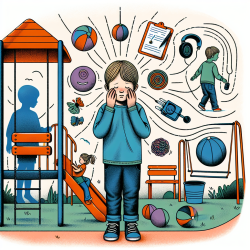
For many children, playgrounds are synonymous with fun, movement, and friendship. For others, the playground can feel unpredictable, overwhelming, or even unsafe. If your child avoids playground equipment—swings, slides, climbing structures, monkey bars, or balance beams—you may be wondering whether it’s a phase, a preference, or a sign they need support.
Playground avoidance is more common than many families realize, and it can have multiple causes. Sometimes it’s related to sensory processing or motor development. Sometimes it’s driven by anxiety, past experiences, or social dynamics. Often, it’s a combination. Understanding the “why” is the first step toward helping your child feel more confident and included at recess.
Common Reasons Children Avoid Playground Equipment
Children generally avoid activities that feel too hard, too uncomfortable, too unpredictable, or too risky. Below are several evidence-informed reasons that may be contributing to your child’s reluctance.
1) Sensory Processing Differences
Playgrounds are sensory-rich environments: bright sunlight, wind, loud voices, unpredictable movement, and lots of visual clutter. For some children, that sensory input can be intense.
Movement sensitivity (vestibular processing): Swings, spinning equipment, and climbing can trigger dizziness, nausea, or a “falling” sensation that feels scary rather than fun.
Gravitational insecurity: Some children feel unsafe when their feet leave the ground or when they’re on elevated surfaces, even if the equipment is age-appropriate.
Sound sensitivity: Recess can be loud. A child may avoid the playground structure simply because it’s where the noise is most concentrated.
Tactile sensitivities: Hot metal, rough ropes, sand, wood chips, or sticky handles can be uncomfortable and lead to avoidance.
2) Gross Motor Skill Challenges
Playground equipment demands coordination, strength, and motor planning. If these skills are developing more slowly, a child may avoid equipment to prevent embarrassment or injury.
Low muscle tone or reduced strength: Climbing ladders, hanging from bars, or stabilizing on moving equipment can feel exhausting.
Balance and coordination difficulties: Narrow bridges, stepping pods, and uneven surfaces can be tricky.
Motor planning challenges (praxis): Some children struggle to figure out the sequence of movements needed to climb up, transition across, and climb down safely.
3) Anxiety and Fear of Getting Hurt
Even children with strong motor skills may avoid playground equipment if they’re worried about falling or getting hurt. A previous fall, a near-miss, or seeing another child get injured can increase fear. Some children also have a temperament that leans cautious, and they may need more time and support to feel safe trying new physical challenges.
4) Social Factors and Playground Dynamics
Playgrounds are social spaces with unspoken rules: taking turns, negotiating space, reading body language, and joining games already in progress. If your child finds social interaction challenging, avoiding equipment may be a way to avoid social stress.
Difficulty joining play: Your child may not know how to enter a game or may worry about being rejected.
Fast-paced play: Tag, chase games, and crowded structures can feel overwhelming.
Peer conflict: If a child has experienced teasing or exclusion, they may steer clear of the areas where it happened.
5) Differences in Risk Assessment and Body Awareness
Some children have difficulty sensing where their body is in space (proprioception) or judging distances and speed. This can make climbing and jumping feel unpredictable. On the other hand, some children seek intense movement and may be redirected frequently for safety—leading them to avoid equipment to avoid correction or conflict with adults.
6) Medical, Vision, or Hearing Considerations
Sometimes avoidance has a physical or medical component. Vision differences can make heights and depth perception more challenging. Ear infections or vestibular issues can affect balance. Joint hypermobility, pain, fatigue, or other health factors can also reduce a child’s willingness to climb or swing.
What to Look For: Clues That Point to the “Why”
You don’t need to diagnose the cause on your own, but careful observation can provide helpful information to share with your child’s school team or therapist.
Which equipment is avoided? Swings and spinning equipment may suggest movement sensitivity; climbing structures may suggest strength, balance, or planning challenges.
What does your child do instead? Walking the perimeter, staying near adults, or playing alone can suggest social stress or anxiety.
When does avoidance happen? Only during busy recess times may point to noise/crowding; only on windy or hot days may point to sensory discomfort.
How does your child describe it? “It’s too high,” “It’s too fast,” “It’s too loud,” or “They won’t let me play” are all meaningful data points.
How Families Can Support Confidence and Participation
The goal is not to force a child onto equipment. The goal is to build safety, confidence, and skills over time—while respecting your child’s nervous system and emotional readiness.
Start With Small, Predictable Steps
Visit the playground during quieter times to reduce social and sensory load.
Practice one piece of equipment at a time, starting with the easiest version (for example, a low slide before a tall slide).
Use “first/then” language: “First we try two steps up, then we take a break.”
Offer Choice and Control
Let your child decide when to stop. Knowing they can opt out reduces anxiety.
Offer two options: “Do you want to try the swing for 30 seconds or climb to the first platform?”
Build Skills Off the Playground
Many playground skills can be developed in calmer environments.
Strength: animal walks, wheelbarrow walks, climbing at an indoor gym, or playground-like obstacle courses at home.
Balance: stepping stones, curb walking, yoga poses, or balance boards (with supervision).
Motor planning: simple obstacle courses with clear steps: “over, under, around, through.”
Use Supportive Language That Reduces Pressure
Replace “Don’t be scared” with “It makes sense that this feels big. Let’s find a safe way to try.”
Praise effort and strategies: “You held on tight and took your time. That was a smart choice.”
Collaborate With the School
If playground avoidance affects your child’s participation, talk with the school. Recess is part of the school day, and children benefit when adults work together to support inclusion.
Ask what staff notice at recess and whether patterns are emerging.
Discuss simple supports such as a quieter area option, structured games, peer buddy supports, or gradual exposure plans.
If needed, request consultation from related service providers (such as occupational therapy) to explore sensory-motor factors.
How Therapy Services Can Help
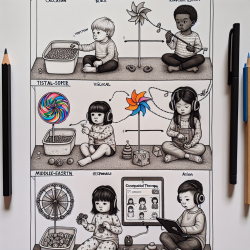
When avoidance is persistent, therapy can help identify underlying skill gaps and create a plan that supports access and participation. In school settings, occupational therapy often addresses sensory processing, motor planning, strength, coordination, and self-regulation as they relate to school routines—including recess. Other professionals may also be involved depending on the child’s needs.
At TinyEYE, we partner with schools to provide online therapy services that can support students in meaningful, functional goals. Teletherapy can include coaching, skill-building activities, collaboration with educators, and family-friendly strategies that translate into real-world participation.
When to Seek Additional Support
Consider reaching out to your child’s school team or a qualified professional if you notice any of the following:
Your child consistently avoids recess or becomes distressed about going outside.
They frequently trip, fall, or appear unusually cautious with movement.
They complain of dizziness, nausea, or headaches during or after playground play.
Social challenges at recess are affecting mood, friendships, or school attendance.
Avoidance is limiting your child’s confidence or willingness to try new activities.
A Final Note: Avoidance Is Communication
When a child avoids playground equipment, they’re telling us something important: “This doesn’t feel safe,” “This is too hard,” or “I don’t know how to join.” With patient support, targeted skill-building, and collaboration between families and schools, many children can expand what feels possible—at their own pace.
For more information, please follow this link.