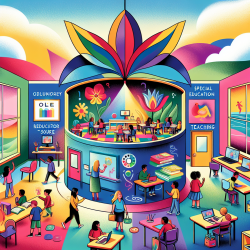

In the bustling world of education, where teachers strive to impart knowledge effectively, a new approach called "Mind the Gap" teaching is creating waves. Inspired by the iconic London subway warning, this method emphasizes bridging the gap between what students know before entering a class and what they should know upon leaving. This approach is crucial for enhancing engagement and fostering a deeper understanding of course material.
The Origin of "Mind the Gap" Teaching
The phrase "mind the gap" serves as a reminder to watch out for the space between the train and platform. Similarly, in education, there's often a gap between students' prior knowledge and new information introduced in class. Sarah M. Ginsberg from Eastern Michigan University explores this concept in her reflective essay published in The Journal of Effective Teaching. Her journey from a teacher-centered approach to a student-centered one highlights the importance of acknowledging and addressing this educational gap.
From Teacher-Centered to Student-Centered Learning
Initially, Ginsberg's teaching was heavily content-focused, with an assumption that students possessed prerequisite knowledge. However, she soon realized that relying on such assumptions was risky. Transitioning towards student-centered learning involved checking students' foundational knowledge before introducing new material. This shift allowed for more meaningful integration of old and new knowledge.
The Core Principles of "Mind the Gap" Teaching
- Student Engagement: Encouraging students to share their existing knowledge fosters an interactive learning environment.
- Integration of Knowledge: Linking prior experiences with new information helps solidify understanding.
- Affective Connections: Building relationships with students enhances their learning experience and professional identity.
Ginsberg emphasizes that effective teaching isn't about delivering monologues but creating opportunities for student-led discussions. By beginning each class with questions about students' existing knowledge, she sets the stage for collaborative exploration. This approach not only helps students connect past experiences with new content but also empowers them to contribute actively to their learning process.
The Benefits of Embracing "Mind the Gap"
This teaching method offers numerous advantages:
- Enhanced Engagement: Students are more likely to participate when their voices are valued.
- Improved Understanding: By integrating old and new knowledge, students can analyze and synthesize information more effectively.
- Lively Classrooms: Avoiding lengthy lectures keeps classes dynamic and engaging.
Ginsberg notes that even students who initially appear disengaged become more involved when given opportunities to share their insights. The classroom transforms into a space where everyone contributes, leading to richer discussions and deeper learning experiences.
Implementing "Mind the Gap" in Your Classroom
If you're an educator looking to adopt this approach, consider these strategies:
- Classroom Assessment Techniques (CATs): Use pre-tests or informal assessments to gauge students' prior knowledge.
- Think-Pair-Share: Encourage students to discuss their thoughts with peers before sharing with the class.
- Interactive Discussions: Facilitate conversations that allow students to explore topics collaboratively.
The key is creating an environment where students feel comfortable expressing their ideas and where their contributions are valued. By doing so, you not only enhance their learning experience but also build strong affective connections that support their academic growth.
A New Era in Education
"Mind the Gap" teaching represents a shift towards more inclusive and effective educational practices. By focusing on student-centered learning, educators can bridge the gap between prior knowledge and new information, leading to more successful outcomes for all learners.
If you're interested in exploring this transformative approach further, please follow this link.