The journey to school is a crucial part of a student's day, especially for those with disabilities and special health care needs. Providing safe and appropriate transportation is not only a logistical requirement but also a legal obligation under the Individuals with Disabilities Education Improvement Act (IDEIA). This comprehensive guide explores the essential guidelines, policies, and procedures that schools must follow to ensure that students with disabilities receive the transportation services they need.
The Legal Framework
Transportation is considered a "related service" under IDEIA when it is necessary to provide access to special education. The law mandates a Free Appropriate Public Education (FAPE) for all students with disabilities, which includes ensuring they can participate in non-academic and extracurricular activities. This means that transportation must be provided in a manner comparable to that offered to non-disabled students, unless safety concerns dictate otherwise.
Understanding Transportation as a Related Service
Transportation services for students with disabilities encompass:
- Travel to and from school and between schools
- Travel in and around school buildings
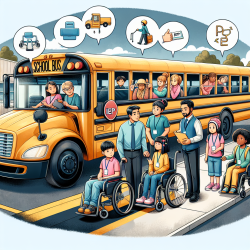
- Specialized equipment such as adaptive buses, lifts, and ramps
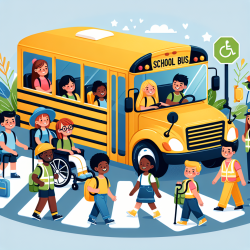
The goal is to transport children in the least restrictive environment possible. The "regular" school bus should be used unless specialized equipment or services are needed for safety reasons.
The Role of the IEP Team in Transportation Planning
The Individualized Education Program (IEP) team plays a critical role in determining transportation needs. When transportation is identified as a related service, appropriate staff must be included in the IEP process to address safety and feasibility. This results in an Individual Transportation Plan (ITP), which outlines specific considerations such as:
- Legal considerations regarding alternative placements
- Specificity in transportation services expected by all parties involved
- Communication protocols when changes or additional information are needed
Training Guidelines for School Personnel
To ensure effective implementation of transportation services, training programs should be established for school administrators, transportation staff, drivers, and attendants. Key areas of training include:
- Laws and regulations affecting special education transportation
- Operational policies such as student pick-up/drop-off procedures
- Behavior management techniques and emergency response strategies
- Securement and operation of special equipment like wheelchairs and restraint systems
- Health care plans for medically complex students during transportation
Emergency Preparedness and Evacuation Planning
A written emergency evacuation plan is essential for each bus route. Students should participate in evacuation drills tailored to their abilities. Collaboration with local emergency personnel can enhance preparedness for scenarios involving students with complex medical needs.
Extended School Year Services and Additional Considerations
Transportation services may also be required during extended school years as part of FAPE provisions. Considerations for infants, toddlers, and pre-school children are particularly important due to their unique vulnerabilities. Guidelines recommend specific training for handling child safety restraint systems (CSRSs) and managing medical equipment securely within school buses.
Conclusion
The provision of safe transportation services is integral to fulfilling the educational rights of students with disabilities. By adhering to established guidelines and fostering collaboration among educators, transportation staff, and families, schools can ensure that all students have access to quality education opportunities.
For more information, please follow this link.