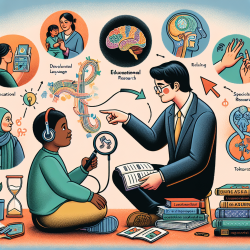
Developmental Language Disorder (DLD) is a condition that presents significant challenges for children and adults alike, impacting their ability to communicate effectively. It is often referred to as a "hidden disability" because its symptoms are not always immediately apparent. Despite affecting approximately two children in every classroom, awareness and understanding of DLD remain limited. This blog aims to shed light on the key aspects of DLD, its impact on individuals, and the importance of professional support.
What is Developmental Language Disorder?
DLD is characterized by difficulties in talking and understanding language. It is a lifelong condition that can significantly affect literacy, learning, friendships, and emotional well-being. Unlike other conditions with visible symptoms, DLD can easily go unnoticed, leading to misconceptions about a child's behavior or capabilities.
The Prevalence and Causes of DLD
Research indicates that DLD affects about 7.5% of children, equivalent to two children in every classroom. The causes of DLD are complex and not yet fully understood. However, genetic factors appear to play a significant role, as the condition often runs in families. Twin studies suggest a strong genetic influence, although no single gene has been identified as responsible for DLD. Importantly, there is no evidence to support the notion that DLD is caused by a lack of parental interaction or brain damage.
The Impact of DLD on Academic and Social Development
DLD often co-occurs with other conditions such as ADHD and dyslexia. Many children with DLD meet the criteria for dyslexia, which can complicate their academic journey. Even when children with DLD can read aloud accurately, they often struggle with comprehension, leading to misinterpretations by teachers and peers.
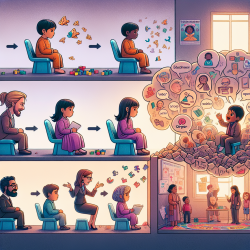
Socially, children with DLD may face difficulties expressing themselves and understanding others, impacting their ability to form and maintain friendships. Studies have shown that by age 16, a significant percentage of individuals with DLD experience social challenges and bullying. This highlights the need for greater awareness and understanding among adults and peers to prevent negative social outcomes.
DLD and Mental Health
The impact of DLD extends beyond communication challenges to affect mental health. Children with persistent language disorders are at an increased risk of exhibiting behavioral issues such as aggression or withdrawal. While these difficulties often improve during adolescence, teenagers with DLD are still more likely to experience symptoms of depression compared to their peers. Traditional talking therapies may not be effective for children with DLD, underscoring the need for tailored mental health support.
The Role of Intervention and Support
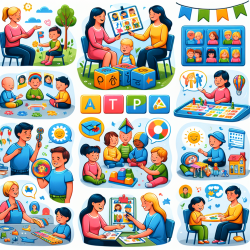
Effective intervention is crucial for individuals with DLD to reach their full potential. High-quality interventions delivered over sufficient durations can lead to significant improvements in language and literacy skills. Training teaching assistants to deliver these interventions has shown promising results in schools.
However, some children may require long-term support due to persistent challenges. It is essential for educational institutions to recognize and nurture the skills of children with DLD beyond conventional academic measures.
The Need for Public Awareness
Despite its prevalence, public awareness of DLD remains low compared to other developmental disorders. The RADLD campaign has been instrumental in raising awareness through various platforms such as YouTube and educational materials. Increased recognition and understanding of DLD can lead to better support systems and outcomes for affected individuals.
DLD is a complex condition that requires concerted efforts from educators, therapists, and the community at large to ensure those affected receive the support they need. By increasing awareness and understanding of DLD, we can create a more inclusive environment that recognizes and addresses the unique challenges faced by individuals with this hidden disability.
For more information, please follow this link.