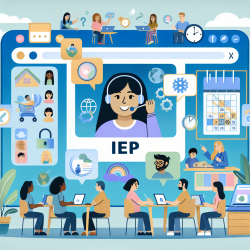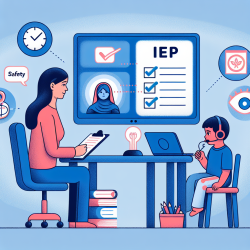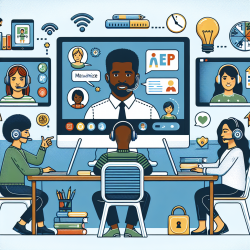
The COVID-19 pandemic brought about significant changes in various sectors, including education. One of the notable shifts was the transition from traditional face-to-face Individualized Education Program (IEP) meetings to virtual platforms. This change presented both challenges and opportunities for parents and school professionals involved in the special education process.
The Shift to Virtual IEP Meetings
The Individuals with Disabilities Education Act (IDEA) mandates that IEP meetings be held annually to address the educational needs of students with disabilities. The multidisciplinary nature of these meetings requires collaboration between parents and school professionals. However, the pandemic forced a rapid shift to virtual meetings, creating new dynamics in these interactions.
Challenges Faced by Parents
- Technological Barriers: Many parents struggled with technology, from unstable internet connections to difficulties using video conferencing tools like Zoom.
- Communication Hurdles: The lack of nonverbal cues in virtual meetings made it difficult for parents to feel connected and engaged.
- Language Barriers: Non-English speaking parents faced additional challenges navigating technology and participating fully in discussions.
Challenges Faced by School Professionals
- Facilitating Virtual Meetings: Educators had to quickly adapt to new technology while ensuring effective communication with parents.
- Data Collection: Collecting accurate data on student progress became more challenging in a virtual setting.
- Building Rapport: Establishing trust and relationships with parents was more difficult without face-to-face interaction.
The Benefits of Virtual IEP Meetings
Despite these challenges, many participants found benefits in the virtual meeting format. The flexibility it offered was particularly appreciated by working families and itinerant service providers.
- Increased Attendance: Virtual meetings allowed more team members to participate without scheduling conflicts or transportation issues.
- Convenience: Parents could attend meetings from home or work, reducing the need for childcare or time off work.
- Enhanced Communication Tools: Online platforms facilitated real-time document sharing and communication via chat features.
The Future of IEP Meetings
As schools return to normal operations, there is a growing interest in maintaining a hybrid model that offers both in-person and virtual meeting options. This approach could enhance accessibility and engagement for all stakeholders involved in a child's education.
The lessons learned from the transition to virtual IEP meetings highlight the importance of flexibility and adaptability in special education. By embracing these principles, educators can better support students with disabilities and their families in the years to come.
For more information, please follow this link.