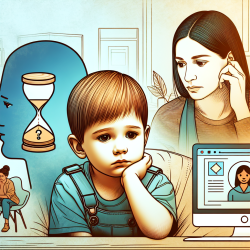
Speech Delays: Why “Waiting It Out” Can Be Risky
Many families and educators hope a child will “grow out of” a speech delay. Sometimes development does catch up with time and support. But when a speech delay is not treated and the child continues to struggle, the effects can reach far beyond pronunciation. Communication is tied to learning, friendships, emotional well-being, and confidence. When speech and language challenges linger, children may miss important building blocks that support success in school and daily life.
This article explains what can happen if a speech delay is not treated, what signs to watch for, and how online speech therapy—like TinyEYE Therapy Services—can provide practical, accessible support.
First, What Counts as a “Speech Delay”?
People often use “speech delay” as a general term, but it can include different challenges. Understanding the difference helps clarify why early support matters.
Speech is how we say sounds and words (articulation, clarity, fluency, voice).
Language is how we understand and use words to communicate ideas (vocabulary, grammar, following directions, telling stories).
A child might have difficulty being understood, struggle to find words, have trouble following directions, or avoid talking altogether. Any of these can affect how they participate at school and connect with others.
What Can Happen If a Speech Delay Isn’t Treated?
Untreated speech and language challenges can affect several areas of development. Not every child will experience all of these outcomes, but these are common patterns speech-language pathologists see when support is delayed.
1) Reading and Academic Challenges Can Grow Over Time
Language skills are closely linked to learning. Children use language to understand lessons, ask questions, explain their thinking, and show what they know. If a child struggles to understand or express language, school can become harder each year.
Early literacy: Sound awareness and clear speech can support learning letters and sounds. Difficulties with speech sounds may be connected to challenges with phonological awareness, a key skill for reading.
Vocabulary and comprehension: Limited vocabulary or trouble understanding sentences can make reading comprehension and word problems more difficult.
Written expression: If a child struggles to organize ideas verbally, writing can also be challenging.
When academic tasks feel consistently difficult, children may begin to participate less, take fewer risks, or avoid speaking in class.
2) Social Skills and Friendships May Be Affected
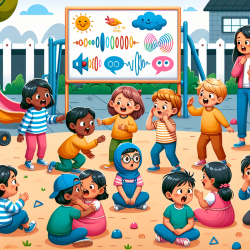
Friendships are built through conversation, play, and shared understanding. If a child can’t clearly express ideas, jokes, feelings, or needs, peers may misunderstand them—or the child may withdraw to avoid being misunderstood.
Miscommunication can lead to frustration on both sides.
Fewer successful interactions can reduce opportunities to practice social language.
Group activities may feel stressful if the child struggles to keep up with fast-paced conversation.
Over time, children may be left out more often, or they may choose to stay quiet because speaking feels too hard.
3) Behavior and Emotional Regulation Can Become More Difficult
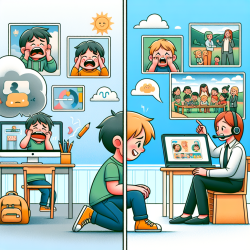
When children can’t communicate effectively, they may show their needs through behavior instead of words. This is not “bad behavior”—it can be a sign that the child needs more tools to express themselves.
Frustration may show up as tantrums, shutting down, or refusing tasks.
Anxiety may increase in situations that require speaking, such as presentations or reading aloud.
Emotional regulation can be harder when a child lacks the words to describe feelings and ask for help.
Supporting communication can reduce stress for the child and the adults around them, because it becomes easier to understand what the child is trying to say.
4) Confidence Can Take a Hit
Children notice when they are misunderstood. They may also notice when adults or peers correct them frequently, ask them to repeat themselves, or speak for them. Over time, a child may begin to believe they are “not good at talking,” which can impact self-esteem.
They may avoid speaking situations.
They may participate less in class.
They may stop trying to use new words or longer sentences.
Speech therapy can help children build skills, but just as importantly, it can help rebuild confidence by creating many small, successful communication moments.
5) Support Needs May Increase Later
When speech and language challenges are addressed early, therapy can often be more efficient because it builds on developing skills as they emerge. When a delay is not treated, children may develop workarounds that are harder to change later, and academic and social demands increase with age.
This does not mean it is ever “too late.” Children and teens can make meaningful progress at many ages. But earlier support can reduce the chance that communication difficulties become tangled with stress, avoidance, and gaps in learning.
Common Signs a Child May Need Support
If you’re unsure whether a child’s speech delay needs professional attention, these signs can help guide your next step. A speech-language pathologist can provide a full evaluation and explain what’s typical for the child’s age.
The child is hard to understand compared to peers.
The child uses fewer words than expected or has trouble learning new words.
The child struggles to follow directions or answer questions.
The child avoids talking, seems embarrassed, or gets upset when misunderstood.
Teachers report concerns about participation, reading, or classroom communication.
How Speech Therapy Helps (And What It Usually Looks Like)
Speech therapy is practical and goal-based. It can support:
Speech clarity (pronunciation and sound patterns)
Language development (vocabulary, grammar, sentence structure)
Understanding (following directions, comprehension, listening skills)
Social communication (conversation skills, turn-taking, perspective-taking)
Fluency (stuttering support)
Confidence (helping children feel successful communicating)
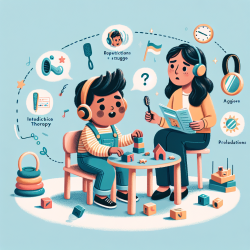
Therapy often includes games, stories, visuals, and structured practice—designed to feel engaging while building real skills. A strong therapy plan also includes strategies that families and educators can use between sessions.
Online Private Speech Therapy: A Flexible Option for Busy Families and Schools
Access can be one of the biggest barriers to getting help. Some families face long waitlists, limited local providers, or scheduling challenges. Online therapy can reduce those barriers by bringing services to the child wherever they are—at school or at home—using secure technology and evidence-based methods.
Online therapy can be especially helpful when:
A child lives in a rural or underserved area.
Families need flexible scheduling.
Schools are working to meet student needs with limited staffing.
Consistency matters and travel time makes in-person sessions difficult.
How TinyEYE Therapy Services Fits In
TinyEYE Therapy Services provides online therapy services to schools, supporting students who need speech and language intervention. For families looking for an online private speech therapy option, TinyEYE can be part of the solution by helping connect children with qualified professionals through a convenient, online model.
When speech delays are addressed with timely, consistent support, children can make meaningful progress in how they communicate, learn, and connect with others. The earlier the support begins, the sooner children can experience the relief and confidence that comes with being understood.
Next Steps: If You’re Concerned, Don’t Wait Alone
If you suspect a child has a speech delay, consider these steps:
Write down what you notice: When is communication hardest—storytelling, directions, certain sounds, social situations?
Talk with the school team: Teachers and support staff can share what they see in the classroom.
Seek an evaluation: A speech-language pathologist can identify strengths, needs, and a clear plan.
Start targeted support: Therapy works best when it is consistent and matched to the child’s goals.
For more information, please follow this link.