When a Loud Place Feels Like “Too Much”
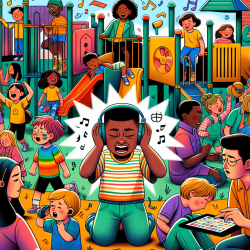
You walk into a busy grocery store, a school assembly, a birthday party, or a crowded gym. Within minutes, your child’s body changes—hands over ears, pacing, crying, yelling, bolting, or collapsing to the floor. It can feel sudden and confusing, especially if other children seem fine. Many families wonder: “Why does my child melt down in loud places? What does this mean?”
In many cases, a meltdown in a noisy environment is not a choice or a discipline issue. It is a stress response. Your child’s nervous system may be telling you, “This is overwhelming, and I don’t have the tools to handle it yet.” Understanding what’s behind the behavior is the first step toward helping your child feel safe, regulated, and successful in the world.
Meltdown vs. Tantrum: Why the Difference Matters
These two can look similar on the outside, but they come from different places.
- Tantrum: Often goal-driven (to get something or avoid something). It may stop when the child gets what they want or when attention changes.
- Meltdown: A loss of control due to overwhelm. The child is not “giving you a hard time”—they are having a hard time. Logic, consequences, and reasoning usually do not work in the moment.
If loud environments reliably trigger the reaction, that pattern is a strong clue that your child may be experiencing sensory overload, anxiety, communication breakdown, or a combination of factors.
What Loud-Place Meltdowns Can Mean
1) Auditory Sensitivity (Sound Feels Physically Uncomfortable)
Some children process sound differently. Everyday noises—hand dryers, cafeteria clatter, whistles, microphones, cheering—can feel painfully loud or unpredictable. When the brain interprets sound as a threat, the body can shift into fight, flight, or freeze.
Common signs:
- Covers ears, cries, or asks to leave when noise increases
- Startles easily at sudden sounds
- Becomes irritable or “wired” in busy environments
- Seems exhausted after loud events
2) Sensory Overload (Too Many Inputs at Once)
Noise is often only one part of the picture. Loud places usually come with bright lights, crowds, movement, smells, and lots of social demands. Your child’s brain may struggle to filter and prioritize all that information.
What it can look like:
- Meltdowns happen more in places like malls, assemblies, gyms, cafeterias, or parties
- Your child seems “fine” at first, then suddenly falls apart
- They may become silly, aggressive, tearful, or shut down
3) Anxiety and Uncertainty
Loud places can feel unpredictable. Children who experience anxiety may worry about what might happen, whether they will be noticed, or whether they can escape if they need to. Even if they cannot explain it, their body may react as if danger is near.
- Clinginess or repeated questions before entering a busy place
- Refusal behaviors (not wanting to go in)
- Complaints of stomachaches or headaches
4) Communication Challenges (Not Having Words in the Moment)
When a child is overwhelmed, language skills can drop. If your child already has speech-language challenges, it may be even harder to express “It’s too loud,” “I need a break,” or “I’m scared.” The result can be crying, yelling, pushing, or running—because behavior becomes the message.
In these situations, supporting communication is not just about speech. It is about giving your child reliable ways to ask for help and be understood.
5) Differences in Self-Regulation Skills
Self-regulation is the ability to notice internal signals (like stress building), use strategies to stay calm, and recover after something hard. Many children need explicit teaching and practice to build these skills—especially in real-world environments that are loud and fast.
Why It Often Shows Up at School
Schools can be some of the loudest places children spend time in: hallways, cafeterias, gyms, assemblies, music class, recess, and even group work. A child might “hold it together” during the day and then melt down after school because they have been coping for hours.
This is one reason school-based supports matter. When the school understands your child’s triggers and has a plan, your child is less likely to reach the point of overload.
What You Can Do: Practical Supports That Help
There is no one-size-fits-all solution, but there are many effective, compassionate strategies. The goal is to reduce overwhelm, teach coping skills, and build confidence.
Step 1: Notice Patterns and Triggers
Track what happens before, during, and after loud-place meltdowns. You are looking for clues, not blame.
- What time of day does it happen?
- How long were you there before it escalated?
- Was your child hungry, tired, or already stressed?
- Were there sudden sounds (hand dryer, microphone squeal, cheering)?
- What helped, even a little?
Step 2: Prepare Your Child Before Entering Loud Places
- Preview the plan: “We’re going in for 10 minutes, then we’ll take a break.”
- Use simple choices: “Do you want to hold my hand or push the cart?”
- Teach a help phrase: “Too loud,” “Break please,” or a simple hand signal.
- Practice at calm times: Coping skills are learned when regulated, not mid-meltdown.
Step 3: Offer Sensory and Environmental Supports
- Noise-reducing headphones or ear defenders (especially for assemblies, gyms, cafeterias)
- Plan quieter times for errands or events when possible
- Create an exit strategy so your child knows they can leave if needed
- Use a “safe spot” at school (library corner, counselor’s office, calm-down space)
Step 4: Teach Regulation Tools That Match Your Child
Different bodies need different strategies. A few options to explore:
- Deep pressure (tight hug if your child likes it, weighted lap pad with guidance from professionals)
- Heavy work (wall pushes, carrying books, chair push-ups)
- Breathing routines (short and visual, like “smell the flower, blow the candle”)
- Movement breaks before and after loud activities
- Visual supports (break card, first/then board, simple schedule)
Step 5: Respond Differently During a Meltdown
In the moment, your job is safety and calming—not teaching a lesson.
- Reduce language: Use fewer words and a calm voice.
- Lower demands: Move to a quieter space if possible.
- Validate: “It’s loud. You’re safe. I’m here.”
- Protect dignity: Avoid threats, lectures, or public shaming.
- Debrief later: When calm, talk about what happened and what to try next time.
When to Seek Extra Support
If loud-place meltdowns are frequent, intense, or limiting your child’s ability to participate in school or community life, it can help to involve professionals. Consider support if:
- Your child avoids school events, cafeteria, gym, music, or assemblies
- Meltdowns are escalating or include unsafe behaviors
- Your child has trouble communicating needs during stress
- You suspect sensory processing differences, anxiety, or neurodivergence
Supports may include occupational therapy for sensory processing and regulation, speech-language therapy for functional communication, and coordinated school strategies through a student support team.
How Online Therapy Can Support Schools and Families
At TinyEYE, we provide online therapy services to schools, helping students access support where they spend much of their day. Online therapy can be a practical way for schools to connect students with qualified clinicians, collaborate with educators, and create consistent strategies that carry over into the classroom, cafeteria, gym, and beyond.
When a child melts down in loud places, progress often comes from a team approach:
- Identify triggers and early warning signs
- Teach replacement communication (how to ask for a break, help, or quiet)
- Build regulation routines that fit the school day
- Support staff and families with practical, consistent plans
A Hopeful Reframe: Your Child Is Not “Too Much”
Loud-place meltdowns can be exhausting for everyone. But they are also meaningful information. They tell us your child’s nervous system is working hard, and they need support to navigate environments that feel intense. With the right strategies, many children learn to recognize their stress earlier, use tools to cope, and participate more comfortably in the places that matter to them.
For more information, please follow this link.