The “R” sound can be one of the most frustrating speech sounds for kids—and for the adults cheering them on. If your child can’t say the “R” sound (you might hear “wabbit” for “rabbit” or a muffled, unclear “R”), it doesn’t mean they aren’t trying. It usually means they need the right kind of instruction and practice.
Why is the “R” sound so hard?
Unlike sounds you can easily see (like p or m), “R” is made inside the mouth with subtle tongue movements. There are also different “R” patterns (like “ar,” “er,” “or,” and “air”), and kids may do well with one but struggle with another.
Common reasons “R” is tricky include:
- Complex tongue positioning (the tongue has to lift, retract, and tense in a precise way)
- Difficulty hearing the difference between their “R” and a correct “R”
- Habit patterns that have been practiced for years
- Challenges with motor planning or coordination
When should you seek support?
Many children develop “R” later than other sounds, but if “R” errors are affecting clarity, confidence, or classroom participation, speech therapy can help. Schools often support students when speech impacts educational performance—like being understood during presentations, reading aloud, or participating in discussions.
How TinyEYE helps schools support “R” sound development
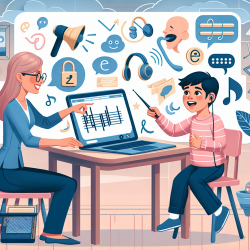
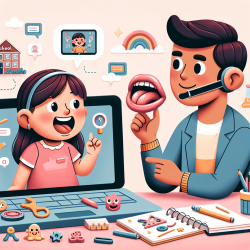
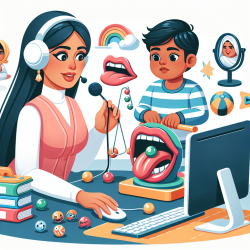
TinyEYE provides online therapy services to schools, connecting students with qualified speech-language pathologists (SLPs) through secure, engaging sessions. For “R” sound goals, SLPs typically focus on:
- Finding the best tongue shape for the student (there isn’t just one “right” way)
- Building awareness of what a correct “R” feels and sounds like
- Practicing in steps: sound → syllables → words → sentences → conversation
- Supporting carryover so skills show up in real classroom and social situations
With consistent practice and individualized strategies, many students make meaningful progress—often gaining not just clearer speech, but stronger confidence.
For more information, please follow this link.