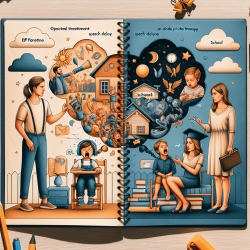
Childhood Apraxia of Speech (CAS) is a motor speech disorder. That means a child may know what they want to say, but their brain has difficulty planning and coordinating the precise movements needed for clear speech. CAS is not caused by weak muscles or a lack of effort, and it is different from a typical speech delay. Because CAS can look like other speech sound challenges, recognizing the signs early helps schools and families seek the right support.
In the classroom, CAS can affect more than pronunciation. When speaking is hard work, students may participate less, avoid reading aloud, or become frustrated during activities that require verbal responses. The good news is that targeted therapy can make a meaningful difference, especially when it’s consistent and individualized.
Common signs of Childhood Apraxia of Speech
Not every child will show every sign, and a speech-language pathologist (SLP) is needed for diagnosis. However, these are frequently reported indicators:
Inconsistent speech errors (the same word may be said differently each time).
Difficulty moving smoothly between sounds or syllables, which can make speech sound “choppy” or segmented.
Vowel errors (vowels may be distorted or substituted).
Groping or visible effort (the child may look like they are searching for the right mouth movement).
Better understanding than speaking (receptive language stronger than expressive speech).
Difficulty imitating words, even when they are trying hard.
Stress and rhythm differences (unusual emphasis on syllables or words).
Speech may be clearer with short words but breaks down as words and sentences get longer.
What schools and families can do
Document patterns: note words that are difficult, situations that increase breakdowns, and what helps.
Seek an SLP evaluation: CAS requires specific assessment and treatment planning.
Support communication in the meantime: visuals, gestures, and alternative ways to respond can reduce frustration while speech skills grow.
For more information, please follow this link.