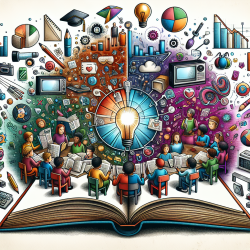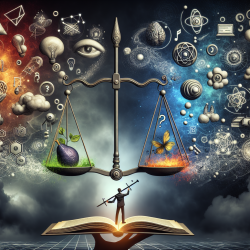
The digital age has brought unprecedented access to information, but with it comes a flood of misinformation, particularly in the realm of science. The spread of false or misleading scientific information poses a significant threat to public understanding and policy-making. As highlighted by Jonathan Osborne, Andrew Zucker, and Daniel Pimentel from Stanford University, this issue is so pervasive that it impacts how societies tackle global challenges like climate change and public health crises.
The Role of Education in Combating Misinformation
While scientific misinformation is not new, its rapid dissemination via the internet has made it a pressing concern. Young people today are more likely to get their information from platforms like YouTube and TikTok rather than traditional media. This shift necessitates a reevaluation of how we educate students about science.
The Next Generation Science Standards (NGSS) emphasize the importance of teaching students to "obtain, evaluate, and communicate information." However, the current standards fall short in equipping students with the skills needed to discern credible sources from false ones. Given that most state standards align with NGSS, addressing this gap is crucial for developing informed citizens.
Why Schools Are Key Players
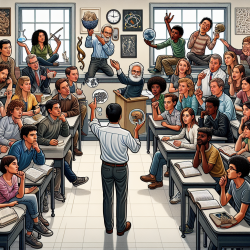
K-12 education is where most individuals acquire foundational science knowledge. It's imperative that schools take an active role in teaching students how to evaluate the trustworthiness of scientific sources. This involves not only understanding scientific concepts but also learning to assess the credibility of information.
The challenge lies in transforming students into "competent outsiders"—individuals who can judge the credibility of scientific claims as educated non-experts. This requires a combination of critical thinking skills and an understanding of how scientific consensus is formed.
Strategies for Educators
To effectively teach students how to identify scientific misinformation, educators must incorporate several strategies:
- Lateral Reading: Encourage students to verify information by checking multiple sources rather than relying solely on one.
- Understanding Bias: Teach students to recognize potential conflicts of interest and biases in information sources.
- Scientific Consensus: Educate students about how consensus is reached within the scientific community and why it matters.
The Urgent Need for Instructional Materials
Developing comprehensive instructional materials that focus on identifying scientific misinformation is crucial. Resources like PBS NOVA's "Misinformation Nation" series provide valuable tools for educators. However, a more systematic approach is needed to integrate these materials into science curricula across grade levels.
The Role of Stakeholders
Tackling scientific misinformation requires collaboration among various stakeholders, including educators, policymakers, and media literacy organizations. An alliance dedicated to promoting media literacy in science education could significantly enhance efforts to combat misinformation.
The Path Forward
The fight against scientific misinformation is too important to delay. By empowering students with the skills to critically evaluate information, we can build a society capable of making informed decisions based on reliable knowledge. Schools must lead this charge by integrating these competencies into their curricula and fostering an environment where truth prevails over falsehoods.
For more information, please follow this link.