Many Children Improve, But “Waiting It Out” Isn’t Always the Best Plan
If you’re asking, “Will my child outgrow speech problems?” you’re not alone. Many families notice something that feels “a little off” with speech—mispronounced sounds, hard-to-understand sentences, stuttering, or slow language growth—and hope it will resolve with time.
Some speech and language differences do improve naturally as children develop. Others don’t, and waiting can make school and social situations harder than they need to be. The goal isn’t to panic—it’s to understand what’s typical, what may be a red flag, and when support can make a meaningful difference.
Speech vs. Language: A Quick, Helpful Distinction
Families often use “speech” to describe many different skills. Knowing the difference can help you describe concerns clearly and get the right help.
Speech is how we say sounds and words. This includes articulation (like saying “r” clearly), speech clarity, voice, and fluency (stuttering).
Language is how we understand and use words to communicate ideas. This includes vocabulary, grammar, following directions, telling stories, and social communication.
A child can have a speech issue, a language issue, or both. And the “outgrowing” question depends a lot on which area is affected.
When Speech Differences Often Improve With Development
Some patterns are common in early childhood and may resolve as children mature—especially when overall language development is strong and the child is steadily making progress.
Some sound errors in preschool years: Many children simplify words while learning to coordinate speech movements. For example, they may leave off final sounds (“ca” for “cat”) or substitute easier sounds.
Mild mispronunciations with steady improvement: If your child is becoming easier to understand over time, that’s a positive sign.
Occasional stuttering during language “growth spurts”: Some children show periods of disfluency when their language is rapidly expanding. If it’s mild and short-lived, it may resolve.
Even in these cases, it’s still wise to monitor progress. The key is whether the child is moving forward consistently, not staying stuck.
Signs Your Child May Not Simply “Outgrow” It
In my work supporting children in school settings, a helpful rule of thumb is this: if a communication challenge is affecting your child’s ability to be understood, learn, or connect with others, it deserves attention sooner rather than later.
Consider reaching out for a speech-language evaluation if you notice any of the following:
Your child is frequently hard to understand compared to other children the same age.
Speech errors persist beyond the age when most peers have mastered certain sounds (for example, ongoing difficulty that doesn’t improve over time).
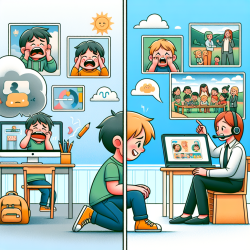
Frustration, avoidance, or behavior changes when asked to talk, read aloud, or participate in class.
Limited vocabulary or short sentences compared to peers, or difficulty finding words.
Trouble following directions, answering questions, or understanding what others say.
Stuttering that is increasing, lasts more than a few months, or includes tension/struggle.
Voice concerns such as chronic hoarseness, strain, or unusual vocal quality.
Social communication challenges, such as difficulty with back-and-forth conversation, staying on topic, or understanding social cues.
These signs don’t automatically mean something “serious” is happening. They do suggest that a professional check-in could be helpful.
Why Early Support Matters (Even When the Issue Seems Mild)
Speech and language skills are the foundation for so much of school and life: reading, writing, participating in class discussions, building friendships, and advocating for oneself. When children struggle to communicate clearly, they may be misunderstood or overlooked—sometimes leading to reduced confidence.
Early intervention isn’t about labeling a child. It’s about giving them tools sooner, while the brain is highly adaptable and before patterns become more ingrained.
Clearer communication supports learning: When children can express what they know, teachers can accurately assess their skills.
Confidence grows with success: Being understood reduces frustration and supports positive social experiences.
Small gaps can widen over time: A mild language delay in preschool can show up later as reading comprehension or writing challenges if not addressed.
Common Myths That Keep Families Waiting Too Long
“They’ll grow out of it.” Some children do, but many benefit from targeted practice. If you’re unsure, an evaluation can provide clarity.
“They’re just shy.” Shyness can coexist with speech or language challenges. If your child wants to communicate but struggles to do so, support can help.
“We should wait until kindergarten.” Kindergarten brings higher communication demands. If concerns exist now, it’s reasonable to seek guidance now.
“If they can say it sometimes, they’re fine.” In speech therapy, consistency matters. Many children can produce a sound correctly in one word but not in conversation.
What an Evaluation Can Tell You
A speech-language evaluation is not a test your child “passes” or “fails.” It’s a snapshot of strengths and needs. A speech-language pathologist (SLP) may look at:
Speech sound development and clarity
Receptive language (understanding)
Expressive language (using words/sentences)
Fluency (stuttering patterns)
Voice and resonance
Social communication and pragmatic skills
From there, you’ll typically receive recommendations—sometimes that means therapy, sometimes home strategies, and sometimes a “monitor and re-check” plan.
How Online Speech Therapy Can Help: TinyEYE Therapy Services
If your child needs support, access and scheduling can be major barriers for families—especially when local providers have waitlists or travel is difficult. This is where online therapy can be a practical, effective option.
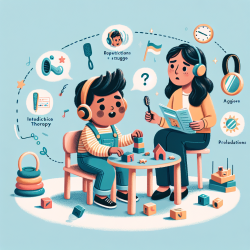
TinyEYE Therapy Services provides online therapy services to schools and can also be an online private speech therapy option for families seeking support. Online speech therapy connects children with qualified clinicians in a structured, engaging format—often using interactive activities that keep sessions motivating and goal-focused.
Online therapy can be especially helpful when:
Your family needs flexible scheduling
Transportation or distance makes in-person therapy difficult
Your child benefits from learning in a familiar environment
You want consistent services even when routines change
Just like in-person services, quality online speech therapy should be individualized, data-informed, and built around functional goals—skills that help your child communicate more clearly and confidently in real life.
What You Can Do at Home While You Decide
While professional guidance is ideal when concerns persist, there are supportive steps you can take right away:
Model, don’t pressure: Repeat the correct form naturally. If your child says “wabbit,” you can respond, “Yes, a rabbit!”
Build language through everyday routines: Narrate what you’re doing, offer choices, and expand your child’s sentences (child: “truck”; adult: “Big truck is driving fast!”).
Read together daily: Pause to ask simple questions, label pictures, and connect the story to your child’s experiences.
Notice patterns: Write down examples of what you’re hearing and when it happens (tired, excited, at school). This helps an SLP tremendously.
When in Doubt, Get a Professional Opinion
If your child is making steady progress and communication is working well at home and school, you may feel comfortable monitoring. But if you’re seeing ongoing frustration, limited improvement, or concerns from teachers or caregivers, an evaluation can provide peace of mind and a clear plan.
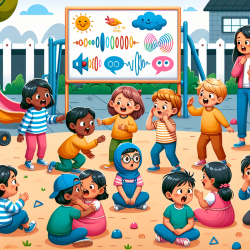
Speech and language support isn’t about “fixing” a child. It’s about unlocking communication so they can participate fully—in the classroom, on the playground, and at home.
For more information, please follow this link.