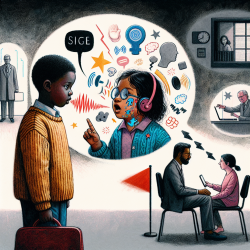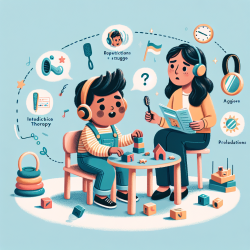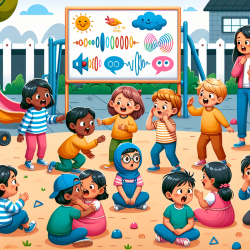
When a child stutters, adults often feel an urgent need to “fix it” in the moment. That urgency is understandable—and it can also add pressure that makes speaking feel even harder. The most helpful support is usually calm, consistent, and relationship-based: you create a communication environment where the child feels safe to talk, even when speech gets bumpy.
As a provider of online therapy services to schools, TinyEYE Therapy Services works with students in real school routines—class discussions, presentations, social conversations, and classroom participation. That matters, because stuttering isn’t only about speech mechanics; it’s also about confidence, comfort, and being heard.
First, a quick refresher: what is stuttering?
Stuttering (also called a fluency disorder) can include:
Repeating sounds, syllables, or words (e.g., “b-b-b-ball”)
Prolonging sounds (e.g., “ssssssun”)
Blocks—when the child knows what they want to say, but speech “gets stuck”
Secondary behaviors like blinking, facial tension, looking away, or tapping (often attempts to push through a moment of stuttering)
Some children stutter for a short period and then recover naturally. Others benefit from structured support from a Speech-Language Pathologist (SLP). Either way, the child’s day-to-day environment plays a powerful role in how they feel about communicating.
7 supportive things to do when a child stutters
1) Listen to the message, not the moment
One of the best gifts you can give is patient attention. Maintain natural eye contact, stay present, and respond to what the child is saying—not how they are saying it.
Try: “That’s a great idea. Tell me more.”
Aim for: calm facial expression, relaxed posture, and a steady pace
This signals: “Your words are worth hearing, and you don’t need to rush.”
2) Slow your own pace (without telling them to slow down)
Children often match the communication pace around them. If adults speak quickly, ask rapid-fire questions, or jump in to fill silence, it can unintentionally increase pressure.
Use a slightly slower rate and add brief pauses.
Reduce “stacked questions” like: “How was school? What did you do? Did you finish your math? Who did you sit with?”
Instead, ask one question and wait. Silence is not a problem—it’s processing space.
3) Create “easy talking” routines
Fluency often improves when children feel unhurried and emotionally safe. Build small daily routines where talking is enjoyable and not performance-based.
Ten minutes of “special time” where the child leads the conversation
Reading together, then chatting about the story without quizzing
Car rides where there’s no pressure to make eye contact
These routines don’t replace therapy, but they strengthen the foundation therapy depends on: comfort and connection.
4) Praise communication, not “perfect speech”
This is a big one. Many children who stutter become excellent at monitoring themselves—sometimes too excellent. If the only praise they hear is when speech is smooth, they may start avoiding talking when they anticipate stuttering.
Try: “I love how you told me that story.”
Try: “Thanks for sticking with it—your idea matters.”
Try: “I noticed you raised your hand in class. That was brave.”
We want children to learn: communication is success, even when speech is bumpy.
5) Support self-advocacy with simple scripts
Older children especially benefit from knowing what to do if someone interrupts, finishes their sentences, or teases. Self-advocacy reduces helplessness and builds confidence.
“Please give me a second—I’m not done.”
“I stutter sometimes. It helps when you wait.”
“I have something to say. Let me finish.”
Practice these scripts at home in a calm moment, not right after a tough speaking experience.
6) Collaborate with the school—because stuttering is a participation issue, too
Stuttering can affect:
Oral presentations and reading aloud
Answering questions quickly
Group work and peer interactions
Confidence in asking for help
Support often includes classroom strategies such as allowing alternative ways to demonstrate learning, giving a heads-up before calling on a student, or offering options for presentations (live, recorded, small group, or 1:1).
This is where school-based SLP support is especially valuable: therapy goals can connect directly to classroom participation.
7) Seek specialized support when it’s impacting confidence or participation
Consider reaching out to an SLP if you notice:
The child avoids talking, reading aloud, or participating
They express embarrassment, frustration, or anxiety about speaking
Stuttering has lasted for months without improvement, or is increasing
There is noticeable tension, struggle, or distress during speech
Therapy for stuttering is not about forcing “perfect fluency.” Effective support helps children communicate confidently, reduces struggle, and teaches strategies that fit the child—not the other way around.
3 common “helpful” habits to stop (they often backfire)
1) “Slow down” or “Take a breath” in the moment
Even when said kindly, these comments can feel like: “You’re doing it wrong.” Many children already know they’re stuck. A better approach is to model calm speech yourself and keep listening.
2) Finishing their sentences
This can increase pressure and teach the child that others will take over when speech gets hard. If they ask for help, that’s different—but default to waiting.
3) Treating stuttering like a secret
Some families avoid the word “stuttering” to protect feelings. But for many children, gentle, age-appropriate openness reduces shame. An SLP can help you choose language that fits your child’s age and temperament.
How TinyEYE Therapy Services supports students who stutter
Schools want students to participate, connect, and show what they know. When stuttering gets in the way, support has to be practical, consistent, and integrated into school life. TinyEYE provides online therapy services to schools, making it easier to deliver speech-language support where and when it’s needed.
Depending on the student’s needs, TinyEYE’s school-based online therapy can include:
Individual or small-group sessions focused on fluency strategies and communication confidence
Education about stuttering so the child understands what’s happening and feels less alone
Tools to reduce struggle and tension during speech
Support for self-advocacy skills (what to do when interrupted, how to request time, how to handle questions)
Collaboration with educators to support participation (presentations, oral reading, class discussions)
Online therapy can be especially helpful for schools that are working through staffing shortages or scheduling challenges. It also allows therapy to happen in a predictable routine—something many students benefit from when working on communication goals.
A final note for adults: your calm is contagious
Children who stutter don’t need constant correction. They need time, respect, and consistent support. When adults slow down, listen fully, and respond to the child’s ideas, the child learns an essential lesson: “My voice is welcome here.” That belief is a powerful partner to any therapy approach.
For more information, please follow this link.