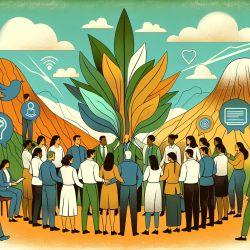
Mental health is an integral part of our overall well-being, yet for many, it remains shrouded in mystery and stigma. As we navigate through life's challenges, understanding the role of community mental health can empower us to take proactive steps toward maintaining our mental wellness. But what exactly is community mental health, and why is it considered the mental health system's best-kept secret?
The Basics of Community Mental Health
Community mental health refers to services and support systems designed to help individuals maintain their mental wellness outside traditional hospital and doctor's office settings. These services are crucial before, during, and after any medical interventions. They encompass a wide range of activities, from crisis prevention to ongoing support.
Preventing Mental Health Problems
A core component of community mental health is prevention. This involves initiatives such as coaching, educational programs, and campaigns aimed at changing societal attitudes towards mental illness. These efforts are designed to keep people from becoming unwell in the first place.
- Education: Teaching individuals how to manage their emotions and recognize signs of distress.
- Lifestyle Support: Encouraging healthy habits like proper nutrition, sleep, and exercise which are vital for both physical and mental health.
- Workplace Wellness: Creating environments that protect rather than harm employees' mental health.
Crisis Response and Support
Crisis intervention is another essential aspect of community mental health. This includes crisis and distress lines and mobile crisis teams that provide immediate support. These teams are composed of trained professionals who can step in alongside or instead of law enforcement to de-escalate situations effectively.
The Role of Community-Based Therapies
Community-based therapies provide ongoing support that the traditional healthcare system may not offer sufficiently. These therapies can be delivered one-on-one or in group settings, either virtually or in person.
- Counseling: Personalized guidance from social workers or peer supporters.
- Lifeskills Training: Programs that equip individuals with the tools they need for daily living.
- Lived Experience Leadership: Peer-led groups where individuals with firsthand experience of mental illness or addiction offer guidance and support.
This holistic approach ensures that people receive comprehensive care tailored to their needs, promoting long-term recovery and well-being.
The Importance of Meeting Basic Needs
Mental wellness cannot be achieved without addressing basic human needs. Safe housing, adequate nutrition, and financial stability are all foundational elements of good mental health. Community initiatives often focus on ensuring these essentials are met for everyone.
A Collaborative Approach
The integration of community-based supports with traditional medical care creates a collaborative approach to mental health treatment. By working together, these systems provide a more robust safety net for individuals at all stages of their mental health journey.
The importance of community mental health cannot be overstated. It plays a pivotal role in keeping people well by addressing both immediate crises and long-term needs. As we continue to raise awareness about its benefits, more individuals can access the support they need to lead healthier lives.
If you would like to learn more about community mental health and its impact on overall wellness, please follow this link.