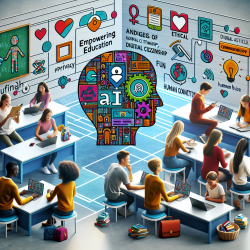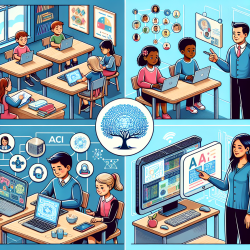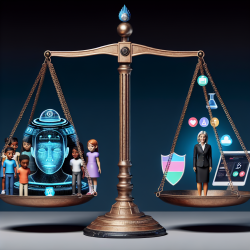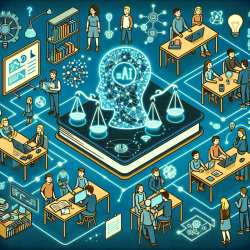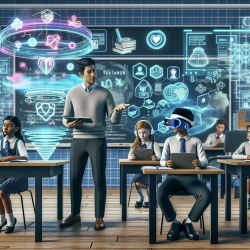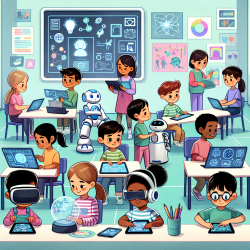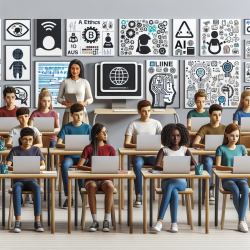
As the world becomes increasingly digital, artificial intelligence (AI) is making its way into educational environments. Schools are now exploring how these technologies can enhance learning experiences while ensuring they align with human rights standards. This blog provides educators with a structured approach to evaluating AI applications, ensuring they are used ethically and effectively in classrooms.
Understanding the AI Human Rights Impact Assessment for Educators
The AI Human Rights Impact Assessment for Educators (AIHRIAE) is a comprehensive guide tailored to help educators assess AI applications. It aims to identify both the potential benefits and risks associated with AI tools in educational contexts. This guide is divided into two main parts:
- Part A: A step-by-step guide for educators considering using AI in their classrooms.
- Part B: Risk mitigation strategies essential for those considering using AI in high-risk contexts.
The guide emphasizes sound pedagogy and draws on peer-reviewed research to support educators at all levels of experience.
Step 1: Define the AI Tool's Purpose
The first step involves clearly articulating the primary function of the AI tool and why it is needed. Consider how it will help achieve preset learning outcomes. For example, an AI tool might offer personalized learning experiences by adapting to individual student needs or providing 24/7 support.
Step 2: Consider the Intended User
This step requires identifying who will benefit from the AI tool and who might be at risk if it fails. It's crucial to consider diverse learner needs, including accessibility and privacy concerns. Ensure that the technology supplements rather than replaces other learning modes.
Step 3: Consider the Educational Context
The context in which an AI tool is used can significantly impact its effectiveness and ethical implications. High-risk contexts include scenarios where AI tools make decisions that affect student grades or involve vulnerable populations. Educators should carefully assess these factors before implementing AI solutions.
Step 4: Seek Feedback, Review, and Revise
Regular feedback from students and educators is essential to ensure ongoing improvement of AI tools. Establish mechanisms for collecting and reviewing feedback, addressing concerns promptly to maintain a fair and inclusive learning environment.
Mitigating Potential Risks
Once potential risks have been identified, educators must consider strategies to mitigate them. These may include:
- Choosing accessible technologies: Ensure tools are user-friendly and accommodate diverse learners.
- Ensuring transparency: Verify that decision-making processes are explainable and accessible to students.
- Protecting privacy: Implement strict data privacy policies and limit data collection to what is necessary.
- Maintaining human oversight: Ensure that educators remain involved in monitoring and guiding AI use.
The Importance of Bias Audits
A critical component of using AI ethically is conducting regular bias audits to identify and address any biases in AI outputs. Educators should be trained to recognize biased outputs and take corrective action as needed. Continuous monitoring is key to ensuring that AI systems remain fair and equitable over time.
Conclusion
The integration of AI into educational settings offers exciting opportunities for enhancing learning experiences. However, it also presents challenges that require careful consideration of ethical implications. By following a structured assessment approach, educators can harness the benefits of AI while promoting human rights and inclusivity in their classrooms.
For more information, please follow this link.