Idaho’s therapy landscape tells a familiar story in special education: resources cluster where populations cluster. In Idaho, that concentration is strongest in the Boise–Meridian corridor, while many rural communities remain underserved. For school teams trying to meet IEP timelines, respond to referrals, and support students with communication needs, this “urban–rural divide” isn’t just a geographic issue—it’s an access issue that can shape student outcomes.
At TinyEYE, we partner with schools to provide online therapy services that help districts respond to staffing shortages and service gaps. In this post, we’ll break down what current provider patterns in Idaho suggest about access to services, what typical wait times can mean for schools and families, and how districts can plan proactively—especially outside the metro area.
Idaho’s Urban–Rural Divide: Why Location Matters
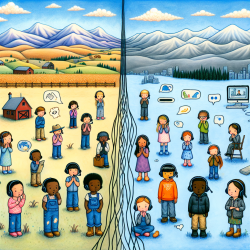
Idaho’s market for pediatric therapy services is concentrated in Boise and Meridian. That concentration often translates into more provider options, more appointment availability, and a wider range of specialties for families who live nearby. In contrast, rural areas frequently experience fewer local providers, longer travel times, and fewer specialized services—creating a practical barrier even when services technically exist somewhere in the state.
From a special education perspective, this divide can show up in several ways:
Delayed evaluations and service starts when families must wait for community providers or travel significant distances.
Inconsistent attendance due to transportation challenges, weather, or caregiver work schedules.
Limited specialized expertise locally for students with complex needs (e.g., voice disorders, swallowing concerns, or medically involved cases).
Increased pressure on school-based teams to provide support that might otherwise be supplemented by community services.
Provider Landscape in Idaho: What the Current Market Signals
Idaho’s provider landscape includes private clinics, hospital-based systems, and niche specialty practices. Each plays a different role, and each comes with different access pathways and timelines.
1) Private Clinics: More Direct Access in the Boise–Meridian Area
In Boise, private practices such as Speech Tree and Kaleidoscope Pediatric Therapy are currently accepting new clients. That detail matters: it suggests a balanced—or slightly favorable—supply-demand ratio in the metro area, at least compared to regions where clinics have closed waitlists for months.
Additionally, SkyBreak Therapy (formerly Idaho Pediatric Therapy Clinic) has acquired new locations to expand capacity. Expansion typically signals growth and responsiveness to demand. For families and schools in the metro area, this can translate into:
More appointment slots and potentially shorter waits.
More consistent scheduling options (after school, summer availability, or flexible times).
Greater likelihood of finding a “good fit” for a child’s needs, personality, and family logistics.
For rural communities, however, these metro-area gains may not reduce barriers if travel remains the primary way to access those services.
2) Hospital Systems: Triage-Based Care and a Slower Intake Pathway
Hospital-based pediatric rehabilitation services, such as St. Luke’s Children’s Rehabilitation, often serve a more medically complex caseload. They typically require referrals and coordinate intake through physicians and care teams. While they may be “accepting new patients,” the process is inherently slower than direct-access private clinics because it involves:
Referral requirements and documentation steps.
Scheduling across multiple departments or specialty teams.
Triage-based prioritization where urgent medical needs may move ahead of less acute cases.
For schools, this distinction is important. Hospital systems can be essential partners for students with complex medical or swallowing needs, but they are not always the fastest pathway for initiating therapy support.
3) Specialization and Self-Pay Models: Access with Tradeoffs
Idaho also includes niche providers such as Idaho Face & Voice, which focuses on specialized areas like voice disorders and swallowing. These services can be critical for certain students—particularly those whose needs fall outside the “typical” articulation or language profile.
Notably, some niche clinics explicitly market to self-pay patients to bypass insurance restrictions and may offer a “Good Faith Estimate” for transparency. This model can improve speed and clarity, but it also introduces equity considerations:
Potentially faster access for families who can afford self-pay services.
Clearer cost expectations when estimates are provided upfront.
Possible barriers for families who rely on insurance coverage or cannot manage out-of-pocket costs.
For school teams, understanding these options can help when families ask, “Where can we go?”—but it also reinforces why school-based services and accessible models (including online therapy) remain vital.
Wait Time Estimates: What Schools Can Expect
Wait times are often the most immediate, practical concern for families—and they can shape how schools plan supports.
Private clinics: approximately 2–4 weeks.
Hospital systems: approximately 1–3 months.
Even a 2–4 week wait can feel long when a student is struggling to be understood, falling behind in reading due to language weaknesses, or experiencing frustration that impacts behavior and participation. A 1–3 month wait can be even more disruptive, especially when the student’s needs affect safety (e.g., swallowing concerns) or significant access to instruction.
What These Wait Times Mean for IEP Teams and Student Support
Schools operate on timelines, compliance requirements, and instructional calendars. When community access is delayed—particularly in rural areas—schools may need to strengthen internal planning to ensure students receive timely support.
Here are practical implications for special education teams:
Earlier identification matters. If a student is showing persistent speech sound errors, language delays, or social communication concerns, early screening and referral reduce the chance of “losing time” later.
Service delivery flexibility is essential. When in-person staffing is limited, districts may need alternative delivery models to maintain consistency.
Collaboration reduces gaps. Clear communication between school teams, families, and outside providers helps align goals and avoid duplicated or conflicting recommendations.
Rural access requires proactive planning. When the nearest clinic is hours away, the “wait time” includes travel logistics, missed work, and weather-related cancellations—not just the appointment date.
How Online Therapy Services Can Help Close Idaho’s Access Gap
Online therapy is not a replacement for every service in every situation—particularly when hands-on medical assessment is needed. But for many school-based speech-language services, teletherapy can be a highly effective way to increase access, reduce scheduling disruptions, and ensure students receive consistent support.
For Idaho districts navigating the urban–rural divide, online therapy can help by:
Expanding provider reach so rural schools are not limited to the small number of clinicians within driving distance.
Reducing service interruptions when staffing changes occur mid-year.
Supporting compliance and continuity by helping schools maintain IEP service minutes.
Improving family-school coordination through easier scheduling and clearer communication pathways.
At TinyEYE, our focus is partnering with schools to deliver online therapy services that fit educational needs and support student progress. In states with concentrated metro resources and underserved rural communities, this model can be especially valuable as part of a broader, student-centered service plan.
Key Takeaways for Idaho Schools
Idaho’s therapy resources are concentrated in Boise–Meridian, while rural areas remain underserved.
Private clinics in the metro area appear to have manageable wait times (about 2–4 weeks), while hospital-based systems often involve longer intake timelines (about 1–3 months) due to referral and triage processes.
Niche specialty clinics can provide targeted expertise, sometimes through self-pay models that may improve speed but can create affordability barriers.
Online therapy services can help districts address staffing shortages and access gaps—particularly in rural communities where travel and provider availability are ongoing challenges.
For more information, please follow this link.