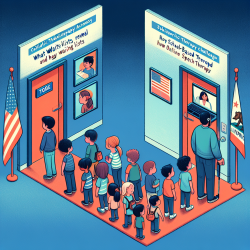
California is the largest—and arguably most complicated—pediatric therapy market in the United States. Its size, geography, and cost of living create “micro-markets” that can look very different from one county to the next. Yet across many regions, one pattern shows up again and again: access often depends on how quickly a family can pay, schedule, and travel. In other words, California increasingly operates as a “pay-for-speed” therapy economy.
For schools, this matters. When community-based services are difficult to access, the pressure on special education teams rises. Families may turn to school staff for guidance, referrals, and support, and students may arrive with unmet needs that affect learning, behavior, and participation. Understanding the landscape can help school leaders make more informed decisions about service delivery, staffing, and partnerships—including online options such as TinyEYE Therapy Services.
California’s Therapy Market: One State, Many Realities
California’s vast geography creates distinct access profiles. A family in the Bay Area may have a very different experience than a family in inland communities, rural regions, or areas with fewer pediatric providers. Even within major metro areas, access can vary by neighborhood, transportation options, and provider availability.
Despite these differences, a general trend is evident: families who can pay privately often find faster entry points, while families relying on public funding streams or large hospital systems may face long delays.
Private Clinics: Capacity Management and “No Waitlist” Messaging
In major metropolitan areas like Los Angeles, San Diego, and the Bay Area, many private practices actively manage their caseloads and staffing to reduce barriers to entry. A key marketing strategy has emerged: advertising availability as a premium feature.
“No Waitlist” as a Selling Point—With Fine Print
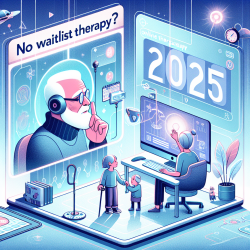
Some clinics explicitly market “no waitlist” to reassure families who are worried about delays. Examples include Bright Stars Pediatric Speech Therapy in Anaheim and Learn & Inspire Speech Therapy in San Jose, which highlight availability as part of their brand promise.
However, the details matter. Bright Stars, for instance, notes a waitlist specifically for after-school appointments (3:00 PM and later). This is not a minor caveat—it reflects one of the most significant friction points in pediatric therapy access for school-aged children.
- Children ages 5–17 are typically in school during the day.
- Families often need after-school sessions to avoid missed instruction and complicated transportation.
- After-school “prime time” inventory is limited, even when clinics have daytime capacity.
For educators and administrators, this helps explain why a parent may report, “The clinic said they have openings,” while still being unable to secure a workable appointment time.
Immediate Access Models: Speed as the Service
Other providers market themselves around rapid entry and streamlined assessment. The Speech Improvement Center, with multiple locations across Los Angeles, emphasizes multidisciplinary services and “immediate” assessment capabilities. Similarly, Sound It Out Speech Therapy (serving Los Angeles and Orange County) highlights in-home and teletherapy options as a way to bypass physical clinic constraints.
These models reflect a broader reality in California: reducing wait time is not just a logistical benefit—it is a core product feature.
University Clinics: Affordable Services, Seasonal Availability
University-based clinics can be an important resource, particularly for families seeking low-cost or free services. Facilities like the CSUSM Speech-Language Clinic (California State University San Marcos) typically operate on a semester basis.
That structure creates a predictable challenge: availability is tied to the academic calendar, not to student need. Families may experience what can be thought of as “seasonal waitlists,” where services are more available at certain points in the year and limited at others.
- Pros: lower cost, supervised clinical training environment, potential access for families otherwise priced out.
- Cons: cyclical scheduling, limited continuity across semesters, and timing that may not align with urgent needs.
Schools may see the downstream effects when families attempt to bridge gaps between semesters or when a child’s progress stalls due to interruptions in service.
Hospital and Public Sector: The Longest Delays
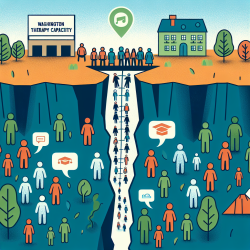
The sharpest disparity in California appears in the public and hospital sectors. Families relying on Regional Center funding or large hospital systems often face delays of 6 to 12 months. In a child’s developmental timeline, that can be a significant loss of opportunity—especially for early intervention and for students whose communication needs are affecting academic access.
Several factors contribute to these delays, including workforce shortages and the high cost of living in coastal regions. Mid-level clinicians may relocate to lower-cost states or transition to teletherapy roles, leaving in-person hospital positions unfilled. Over time, this can compound waitlists and reduce service capacity.
What the Marketing Tells Us: “Anxious Affluence” and the Pressure to Act Fast
In California’s private market, clinics often target what could be described as “anxious affluence”—families who are worried about delays and willing to pay out-of-pocket to avoid long public-sector timelines. The underlying message is consistent: “Don’t wait for the school/state.”
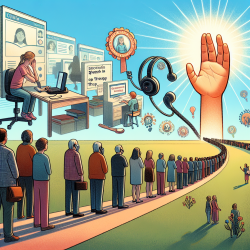
It is important to name the equity implications here. When speed becomes something families must purchase, access becomes uneven. Students whose families cannot pay privately may wait longer, miss critical windows for progress, or arrive at school with greater unmet needs.
Current wait time estimates often follow this pattern:
- Private pay: 1–3 weeks
- Insurance/Regional Center: 3–9 months (and sometimes longer in hospital systems)
What This Means for Schools: Practical Implications for Service Delivery
Schools sit at the intersection of these market forces. When community access is limited, families may look to schools as the most reliable source of support. At the same time, schools face their own staffing shortages, compliance requirements, and scheduling constraints.
In practice, California’s therapy landscape can lead to:
- Increased referrals and heightened urgency from families who have been waiting months elsewhere.
- Greater demand for school-based evaluations and services, even when a student’s needs span settings.
- Scheduling challenges when students miss instruction to attend outside therapy—especially when after-school appointments are unavailable.
- Pressure on IEP teams to coordinate with outside providers who may have limited availability.
An Online Option for Schools: TinyEYE Therapy Services
Given the access challenges and the scarcity of “prime time” appointments in the community, online therapy can be a meaningful part of a school’s service delivery toolkit. TinyEYE Therapy Services provides online therapy services to schools, helping districts expand access to qualified clinicians without being limited by local provider shortages or geographic constraints.
For school teams, online therapy can support:
- Improved continuity of services when local hiring is difficult.
- More predictable scheduling within the school day, reducing reliance on scarce after-school community appointments.
- Access across micro-markets, including rural or high-cost regions where staffing gaps are persistent.
- Collaboration with educators and caregivers through structured, school-based service models.
Online services are not a one-size-fits-all solution, and thoughtful implementation matters—especially for students who require hands-on supports or complex interdisciplinary coordination. But in a state where access is often determined by speed, location, and cost, school-based online therapy can be a stabilizing option that supports both compliance and student progress.
Moving Forward: A Balanced, Student-Centered Approach
California’s pediatric therapy market highlights a central truth: access is not just about whether services exist—it is about whether families can realistically use them. “No waitlist” claims may still exclude after-school needs. University clinics may be affordable but seasonal. Public and hospital systems may be reliable but slow. Schools are left to support students in the middle of these constraints.
By understanding the landscape and considering flexible service delivery models—including TinyEYE Therapy Services as an online option—schools can reduce gaps, improve consistency, and better meet student needs in a complex and fast-moving environment.
For more information, please follow this link.