In today's digital age, the role of cell phones in schools is a hotly debated topic among educators, parents, and policymakers. While these devices offer potential educational benefits, they also pose significant risks to student behavior, learning, and well-being. This blog delves into the complexities of cell phone use in schools, exploring both the advantages and disadvantages while offering insights into effective policy-making.
The Educational Benefits of Cell Phones
Some educators advocate for the integration of cell phones into classroom activities to enhance learning experiences. They argue that these devices can facilitate student collaboration, engagement, and access to information.
- Cell phones can be used to conduct research, connect students with school events, and teach digital responsibility (Marcoux, 2009).
- They enable modern learning by expanding educational opportunities beyond traditional classroom settings (Wainwright, 2012).
- Digital cameras and video recorders on phones can be used for data collection in science experiments or to create educational podcasts (Thomas & O’Bannon, 2013).
A survey by the Ontario Institute for Studies in Education found that a significant majority of respondents believed schools should help students become technologically savvy through the use of digital devices (OSSTF, 2018).
The Risks Associated with Cell Phones
Despite their potential benefits, cell phones also present various risks that can negatively impact students' academic performance and mental health.
- Academic Distraction: Studies indicate that cell phone use can detract from academic performance. Banning them from classrooms has been shown to improve test scores (Beland & Murphy, 2016).
- E-Cheating: The use of cell phones for cheating is a growing concern. Students have been known to text answers or store notes on their devices during exams (McAfee, 2012).
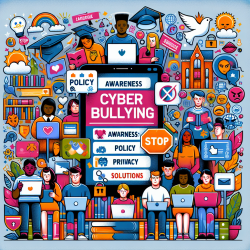
- Cyberbullying: Cell phones facilitate cyberbullying, which can have severe psychological effects on victims. Reports suggest that a significant number of students have experienced cyberbullying through virtual media (Wong-Lo & Bullock, 2011).
- Sexting: The prevalence of sexting among teens raises concerns about privacy and legal implications. Surveys reveal high rates of sexting behavior among adolescents (Chaudhary et al., 2017).
Legal Implications and Policy Recommendations
The legal landscape surrounding cell phone use in schools is complex. Issues such as search and seizure of student devices require careful consideration to balance students' privacy rights with school safety needs.
- Searches: Educators need clear policies regarding when and how they can search student devices. Searches must be justified and conducted in accordance with legal standards (R. v. M.(M.R.), 1998).
- Sexting: Schools must handle cases involving sexting delicately to avoid legal repercussions related to child pornography laws (R. v. Cole, 2012).
To address these challenges effectively, schools should develop comprehensive policies that consider both the benefits and risks of cell phone use. Recommendations include:
- Involving key stakeholders such as parents, teachers, and students in policy development.
- Clearly defining acceptable uses for cell phones within educational settings.
- Implementing progressive disciplinary measures for violations.
- Providing regular professional development for staff on policy enforcement.
Conclusion
The debate over cell phone use in schools will likely continue as technology evolves. By understanding the benefits and potential pitfalls of these devices, educators can create informed policies that promote a safe and effective learning environment.
For more information on this topic, please follow this link.