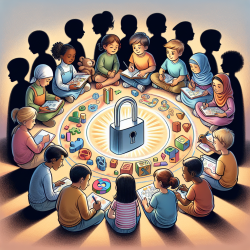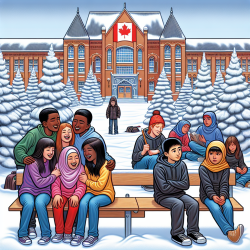
In today's rapidly evolving educational landscape, the concepts of loneliness and belonging are becoming increasingly crucial. Recent research highlights a disturbing trend: a significant number of students in Canadian schools experience loneliness, impacting their overall well-being and academic performance. This blog delves into the findings of a comprehensive knowledge synthesis study that examines these issues.
The Lived Experience of Loneliness and Belonging
The study revealed that not all students feel welcome in Canadian schools. Loneliness is pervasive, with approximately one-third of Canadian adolescents reporting feeling lonely at school—a figure that has more than doubled since 2000. Marginalized groups, such as LGBTQ2+, Indigenous, Black students, and those with disabilities, often face additional challenges. They are frequently targets of bullying and discrimination, further exacerbating their sense of isolation.
Factors Contributing to Loneliness and Belonging
Several factors contribute to students' feelings of loneliness or belonging:
- Lack of Representation: Students who do not see themselves reflected in the school's ethos or curriculum often feel disconnected.
- Bullying and Victimization: Experiences of racism, bullying, and other forms of victimization hinder a student's sense of belonging.
- Supportive Relationships: The presence of at least one supportive adult in school can significantly impact a student's sense of belonging.
- School Transitions: Students' sense of belonging tends to deteriorate during transitions or when attending larger schools.
The Role of Teachers
Teachers play a pivotal role in fostering a sense of belonging among students. A nurturing teacher-student relationship can mediate feelings of loneliness. By being attentive to students' strengths and interests, teachers can create an inclusive environment that promotes emotional well-being.
Educational Policies and Practices
The study highlights several educational practices aimed at fostering belonging:
- Whole School Approaches: Implementing multitiered systems of support that include inclusive policies and classroom management practices.
- Anti-Bullying Efforts: Promoting positive relationships among peers, staff, and families while actively discouraging bullying behaviors.
- Differentiated Instruction: Tailoring teaching methods to be responsive to individual student needs, fostering engagement through student leadership and experiential learning opportunities.
- Cultural Inclusion: Infusing Indigenous worldviews into the curriculum and involving community Elders can enhance cultural relevance and acceptance.
The Need for Comprehensive Data Collection
The study emphasizes the importance of systematically collecting data on student loneliness and belonging. Such data should be integrated into school division reviews to inform policy-making effectively. Despite existing inclusion policies, their implementation often falls short, highlighting the need for ongoing evaluation and adjustment.
The Path Forward
Tackling student loneliness requires a concerted effort from educators, policymakers, and communities. By understanding the factors contributing to loneliness and promoting inclusive practices, we can create school environments where every student feels valued and connected.
For more information, please follow this link.