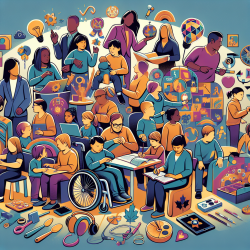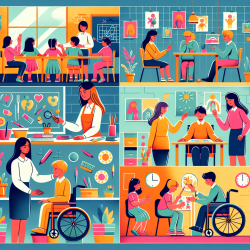
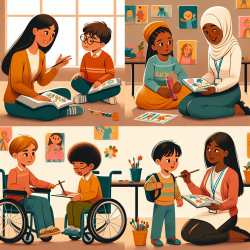
In recent years, the emphasis on inclusive education has grown significantly, especially in countries like Malaysia. This shift aligns with global educational trends advocating for the rights of all students to receive quality education. A key component of successful inclusive education is the collaboration between teachers and parents. This article delves into how such collaboration can be harnessed to create a more inclusive classroom environment.
The Importance of Collaboration
Collaboration between teachers and parents is not just beneficial; it is essential for creating an environment where all students, including those with special educational needs (SEN), can thrive. The Malaysian Education Blueprint 2013-2025 underscores the country's commitment to inclusive education, aiming for 75% of students with SEN to be enrolled in inclusive programs by 2025. Achieving this goal requires a concerted effort from both educators and families.
Understanding Special Educational Needs
The first step towards effective collaboration is understanding the unique needs of SEN students. Teachers must be equipped with the knowledge and skills necessary to adapt their teaching strategies to meet these needs. Parents, on the other hand, provide invaluable insights into their child's strengths and challenges, which can guide teachers in tailoring their approaches.
Communication: The Heart of Collaboration
Effective communication is the backbone of successful teacher-parent collaboration. It involves more than just regular updates; it requires an open dialogue where both parties feel heard and valued. In Malaysia, many schools have adopted various communication methods such as face-to-face meetings, WhatsApp groups, and written correspondence to keep parents informed and involved.
Roles and Expectations
Clearly defining roles and expectations is crucial to avoid misunderstandings that can hinder collaboration. Teachers are responsible for implementing individualized education programs (IEPs) tailored to each student's needs. Parents support this process by reinforcing learning at home and providing feedback to teachers.
Benefits of Inclusive Education
Inclusive education offers numerous benefits beyond academic achievement. It fosters social interaction among students with and without disabilities, promoting acceptance and understanding. Students with SEN gain confidence as they engage with their peers in various activities, from academics to sports.
Challenges and Solutions
Despite its benefits, implementing inclusive education comes with challenges. One significant hurdle is ensuring all stakeholders are on the same page regarding their roles and responsibilities. Regular training sessions for teachers and informational workshops for parents can bridge this gap.
Moreover, schools must be equipped with adequate resources to support diverse learning needs. This includes access to specialized teaching materials and professional development opportunities for educators.
The Way Forward
The success of inclusive classrooms hinges on robust teacher-parent partnerships. By working together towards common goals, educators and families can create a supportive learning environment that caters to the individual needs of each student.
This study serves as a reference point for educators and policymakers seeking to enhance inclusivity in education. While challenges remain, the potential benefits for students make these efforts worthwhile.
For more information on teacher-parent collaboration in inclusive classrooms, please follow this link.