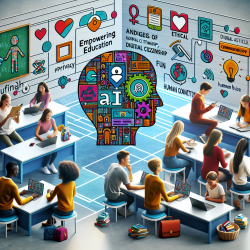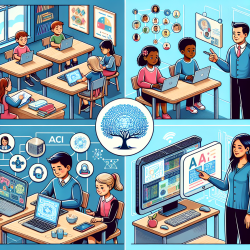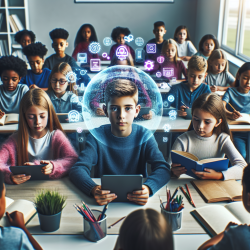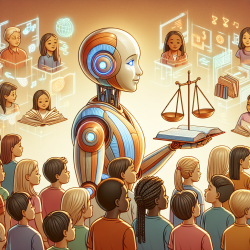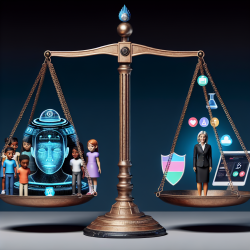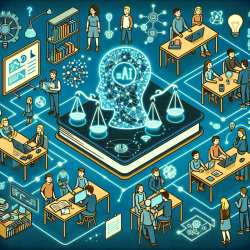
The integration of Artificial Intelligence (AI) in education is reshaping the landscape of K-12 classrooms across the United States. With its ability to enhance learning experiences and streamline administrative tasks, AI holds significant promise for educators and students alike. However, as we embrace this technological evolution, it is crucial to address the accompanying challenges and ensure that AI serves as a tool for empowerment rather than a source of disruption.
The Promise of AI in Education
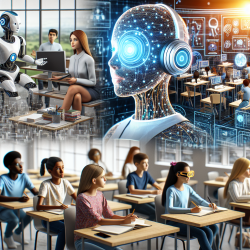
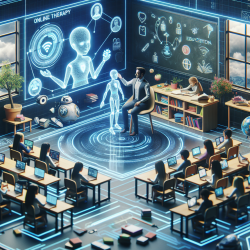
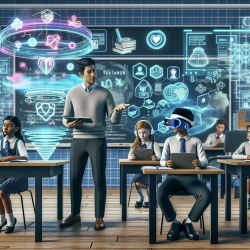
AI-powered tools offer a myriad of possibilities for enhancing educational outcomes. For school administrators, these tools provide data-driven insights to identify patterns and predict student performance. At the classroom level, teachers can leverage AI to personalize lesson plans, create effective grading rubrics, and evaluate student work efficiently. Students benefit from AI's ability to assist with tasks such as summarizing text, brainstorming ideas, and providing accommodations for disabilities through features like text-to-speech and virtual reality simulations.
Challenges: Balancing Innovation with Caution
Despite its potential, the deployment of AI in schools is not without concerns. The Pennsylvania Advisory Committee to the U.S. Commission on Civil Rights has highlighted several issues that need careful consideration. These include:
- Student Privacy: The collection and use of sensitive data raise significant privacy concerns.
- Bias and Misinformation: AI systems can inadvertently perpetuate existing biases or spread misinformation.
- Impact on Social-Emotional Development: Over-reliance on technology may disrupt essential student-teacher relationships.
- Digital Divide: Unequal access to technology could exacerbate existing educational disparities.
Navigating Risks: Strategies for Safe AI Implementation
To mitigate these risks, schools must approach AI integration thoughtfully. Here are some strategies to consider:
- Rigorous Evaluation: Schools should demand thorough evaluation of AI tools to ensure they align with educational goals.
- Diverse Stakeholder Involvement: Engaging teachers, parents, students, and community groups in decision-making processes is vital.
- Focus on Critical Thinking: Educators should continue to emphasize critical thinking skills alongside AI-generated insights.
- Privacy and Data Security Benchmarks: Establishing clear guidelines for data handling can protect student privacy.
The Role of Policymakers: Recommendations for Action
The Pennsylvania Advisory Committee suggests several policy recommendations to guide the responsible use of AI in education:
- The U.S. Department of Education should establish benchmarks on safety, privacy, data security, and equity before allowing technology companies to sell products to schools.
- The Pennsylvania Department of Education should implement procurement policies that require rigorous testing of AI tools in educational settings.
- Pennsylvania Governor Josh Shapiro is encouraged to create a state-level task force to support school districts in developing and monitoring AI procurement standards.
Conclusion: Charting a Path Forward
The integration of AI into K-12 education presents both opportunities and challenges. By approaching this transformation with caution and collaboration, we can harness the power of AI while safeguarding our students' rights and fostering a more equitable learning environment. Together, educators, policymakers, parents, and communities can ensure that AI serves as an ally in our quest for educational excellence.
For more information, please follow this link.