Attention Deficit Hyperactivity Disorder (ADHD) is increasingly prevalent among school-aged children, affecting approximately 11% of youth in the United States. This condition presents unique challenges in educational settings, as students with ADHD often struggle with sustained attention and impulsivity. The classroom environment, with its structured demands, can exacerbate these difficulties, impacting both academic performance and social interactions.
The Role of Special Education
A significant number of students with ADHD qualify for special education services under the Individuals with Disabilities Education Act (IDEA). These services often include an Individualized Education Program (IEP), which outlines tailored instructional strategies and supports to help students access the general education curriculum effectively. However, since many students with ADHD are educated within general education settings, collaboration between special and general educators is crucial.
Traditional Strategies for Enhancing Attention
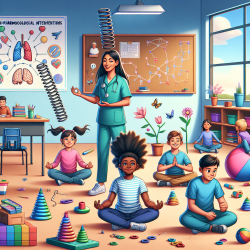
Teachers can employ various traditional strategies to support students with ADHD. Environmental adjustments, such as allowing flexible seating options like standing desks or exercise balls, can accommodate the need for movement. Creating low-distraction zones within the classroom provides spaces where students can focus away from the bustling activity around them.
- Instructional Strategies: Incorporating strategic pauses during lessons and using proximity control can help recapture a student's attention. Breaking assignments into smaller tasks can also make workloads more manageable.
- Organizational Strategies: Tools like assignment notebooks and color-coded folders help students keep track of their work. Visual aids and daily schedules posted around the classroom provide structure and predictability.
Leveraging Technology for Improved Focus
In today's digital age, technology offers powerful tools to address attention challenges. While concerns exist about digital distractions, carefully selected tech applications can enhance focus and engagement for students with ADHD. Interactive whiteboards and academic apps like Khan Academy offer visual and interactive learning experiences that capture attention.
- Study Skills Apps: Notability allows students to integrate various media into their notes, aiding memory retention and organization.
- Organization Apps: Tools like Gantt Charts assist in planning and time management, essential skills for students who struggle with executive function.
The Importance of Monitoring Technology Use
While technology provides valuable support, it is essential to monitor its use to ensure it serves educational purposes rather than becoming a source of distraction. Teachers and parents should set limits on screen time and encourage breaks from digital devices to promote healthy habits.
Creating an Inclusive Learning Environment
The strategies discussed are not exclusive to students with ADHD but benefit all learners by fostering an inclusive classroom environment. By integrating both traditional techniques and modern technology, educators can enhance focus, engagement, and academic success for all students.
For more information, please follow this link.