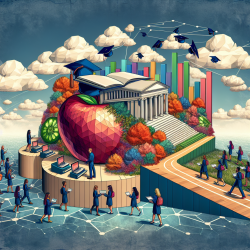
In an era where education serves as a gateway to economic mobility and personal growth, Washington State is taking significant strides to ensure its residents are not left behind. With a bold goal set by the Washington Student Achievement Council (WSAC) to have 70% of the state's 25- to 44-year-olds attain a postsecondary credential, the state is committed to increasing educational attainment and addressing equity gaps.
The Importance of Postsecondary Credentials
Postsecondary credentials—ranging from traditional college degrees to certificates and apprenticeships—are crucial for individuals seeking to earn a living wage and achieve economic stability. In Washington, data reveals that students from low-income families surpass their parents' income levels within three years of graduation from postsecondary institutions. This highlights the transformative power of continued education.
However, the journey towards increased educational attainment is not without its challenges. As job market demands evolve, so too must our educational goals. By 2026, Washington aims to reach its target of 70% credential attainment among early and mid-career residents, but this requires aggressive policy changes and financial investments.
Navigating Federal and State Educational Policies
The landscape of higher education is shaped by both federal and state policies. Recent shifts in federal policies have impacted affordability and access to higher education, with reductions in workforce affecting departments like Federal Student Aid (FSA). Despite these challenges, programs like Pell Grants continue to provide crucial support.
Washington State has long focused on making postsecondary education affordable through state subsidies, tuition policies, and comprehensive financial aid programs. The state's commitment to affordability ensures that students from diverse backgrounds can pursue higher education without financial constraints.
Equity at the Core
Central to Washington's strategic action plan is a commitment to equity. The WSAC emphasizes that equity is not merely an aspirational goal but a defining priority. By centering equity in all strategic planning efforts, the Council aims to dismantle systemic barriers faced by marginalized communities.
The racial distribution in public high schools versus higher education institutions highlights existing disparities. For instance, while Hispanic or Latino students make up over a quarter of the high school population, they account for just 12-14% of public higher education enrollment. Addressing these disparities requires intentional policy changes that reflect the diversity of Washington's population.
Strategic Clusters for Success
The WSAC Strategic Action Plan outlines four strategic clusters: Affordability, Enrollment, Basic Needs, and Completion. Each cluster addresses key areas necessary for achieving the state's educational goals:
- Affordability: Ensuring that higher education remains within reach for all residents through need-based grants and subsidies.
- Enrollment: Encouraging more residents to enroll in diverse educational programs by supporting both high school students and adults.
- Basic Needs: Tackling barriers like housing and food insecurity that can hinder student success.
- Completion: Supporting students in completing their educational journeys and earning credentials that lead to career opportunities.
A Collaborative Effort
The success of Washington's strategic action plan hinges on collaboration among various stakeholders. From government agencies to community organizations and educational institutions, everyone has a role to play in building a supportive environment for learners.
The WSAC's Regional Partnerships initiative exemplifies this collaborative spirit by investing in community-driven solutions. By empowering local partnerships to address unique regional challenges, the state is fostering a culture that values educational opportunities for all residents.
For more information on how Washington is working towards its educational goals, please follow this link.