Across international discussions on school improvement, Finland is frequently referenced as a high-performing system that has achieved strong learning outcomes while maintaining a strong commitment to equity. The Finnish approach is not built on constant competition or high-stakes testing. Instead, it emphasizes support, guidance, and a culture of trust—features that many education leaders view as increasingly important as schools respond to diverse learner needs, staffing constraints, and rising demand for student wellbeing services.
For school and district decision-makers, Finland offers a useful case study: a national system designed to provide high-quality education for all learners, regardless of socioeconomic background, and to intervene early when students need additional support. These principles align closely with what many schools are aiming to strengthen today—especially in areas like special education, speech-language services, and mental health supports.
A System Designed Around Equity
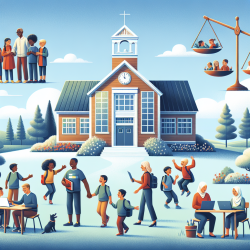
One of the clearest themes in Finnish education is equal opportunity. In practice, this means education is publicly funded and designed so that students can access high-quality schooling without barriers created by family income. Rather than encouraging school “shopping” or creating elite tracks, the “local school principle” supports the idea that most students attend the school closest to home. This helps reduce school-to-school differences and limits segregation by social status.
Equity also shows up in everyday policies. For example, Finland has provided a free daily school lunch since 1948—an approach that supports health, learning readiness, and social inclusion. Importantly, special diets are considered, and the meal is treated as part of the school day rather than an optional add-on.
Teacher Preparation and Professional Trust
Another defining characteristic is teacher professionalism. Comprehensive school teachers are highly educated, typically holding a Master’s degree. Teacher education is competitive and respected, which contributes to a strong professional identity and consistent instructional quality across the country.
Finland also grants teachers meaningful autonomy. While national objectives and a national core curriculum guide what students should learn, teachers have the freedom to choose teaching methods and learning materials. This balance—clear shared goals paired with local professional decision-making—supports consistency without rigid standardization.
Learning Starts Later, With Strong Early Foundations
Finnish children typically begin formal schooling at age seven, reflecting a national belief that children need time and space to grow and develop. Before that, families have access to early childhood education and care, and six-year-olds participate in pre-primary education designed to build social skills and healthy self-esteem while preparing children for school.
Early childhood services are not treated as informal childcare alone. They have pedagogical objectives, regulated competence requirements for staff, and national standards for pre-primary content. If needed, a child’s readiness for school can be assessed, and entry can occur earlier or later.
What Students Learn—and How Learning Happens
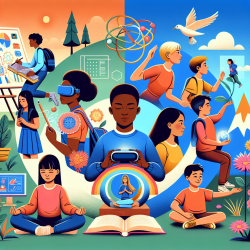
Finland’s national core curriculum emphasizes modern learning environments and broad competence. Teaching increasingly extends beyond the classroom to outdoor learning, museums, companies, and virtual environments. Technology and digital learning tools are integrated into daily school life, not as a separate initiative but as part of how students learn and demonstrate understanding.
Key instructional themes include problem-oriented learning, interaction, and responsibility-taking. Students are guided to set goals, solve problems, and assess their own progress. The curriculum also highlights everyday life skills and the ability to care for oneself—an approach that connects academic learning to real-world functioning.
Another notable concept is “multiliteracy,” which expands literacy beyond traditional reading and writing to include interpreting and producing information across formats—verbal, visual, auditory, and kinesthetic. This supports critical thinking and aligns with the skills students need in digital and media-rich environments.
Assessment Without Constant High-Stakes Pressure
In Finland, assessment is not primarily designed to rank students or schools. Instead of continuous high-stakes testing, learning outcomes are monitored through national assessments that sample a small portion of the age group. This provides system-level insight without turning assessment into a constant source of pressure for students and educators.
Within schools, the emphasis is on encouragement and insight-based learning. Performance is not graded with numbers until later school years, and the system prioritizes identifying learning methods that best serve each pupil.
Support Services as a Core Feature, Not an Afterthought
Perhaps the most transferable lesson for other systems is Finland’s approach to student support. A “special strength” described in the Finnish model is the right of pupils to receive support as soon as the need arises. Common supports include:
- Remedial teaching in small groups
- One-on-one guidance
- Individualized teaching within group learning
- Special needs teachers and special needs assistants in most schools
- Individual learning plans when difficulties are extensive or long-term
Importantly, many students with minor or moderate learning difficulties remain in the same classrooms as peers, with additional resources allocated to schools to make that possible. For students with more significant disabilities or health needs, specialized classrooms or schools may be available, and compulsory education can be extended in some cases.
Finland also provides structured support for immigrant students, including preparatory teaching in small groups and opportunities to study Finnish or Swedish with adjusted syllabi. In larger cities, students may also receive instruction in their native languages.
Secondary Pathways and Lifelong Learning
After nine years of basic education, students can continue into either general upper secondary education or vocational education, both typically lasting about three years. Both pathways keep doors open: each can qualify students for higher education, including universities and universities of applied sciences.
Finland also treats learning as a lifelong endeavor. Adult education opportunities are widely available, often at low cost, covering both practical and academic subjects. This reinforces the idea that education is not only for children and young people, but a continuing national asset.
What School Leaders Can Take From Finland—Even Outside Finland
Not every policy can be copied directly across countries, funding models, or governance structures. However, several strategic principles are highly adaptable:
- Design for early support: intervene when needs emerge, not after years of struggle.
- Strengthen professional capacity: invest in educator expertise and protect time for collaboration.
- Reduce unnecessary competition: focus on growth, guidance, and student wellbeing.
- Build consistent access: ensure services do not depend on a family’s ability to pay or a school’s local fundraising capacity.
- Modernize learning environments: use flexible spaces, project-based learning, and digital tools to support engagement and real-world skills.
Where Online Therapy Fits in a Support-First Model
Finland’s emphasis on timely, accessible student support highlights a challenge many districts face: even when leaders agree that early intervention matters, staffing shortages and geographic barriers can delay services. This is where online service delivery can become a practical part of a support-first strategy.
TinyEYE provides online therapy services to schools, helping districts expand access to qualified clinicians and maintain continuity of care. When implemented thoughtfully, telepractice can support the same underlying goals reflected in Finnish education: equitable access, early support, and a student-centered approach that reduces barriers for families and schools.
For more information, please follow this link.