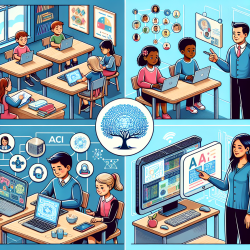
Artificial Intelligence (AI) holds the potential to revolutionize K-12 education by providing personalized learning experiences, enhancing teaching methodologies, and supporting school administrators. However, integrating AI into the educational system comes with its own set of challenges that must be carefully navigated to ensure both safety and equity.
The Role of AI in Personalized Learning
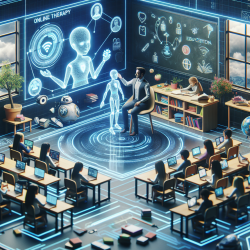
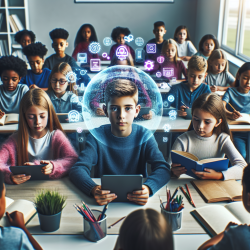
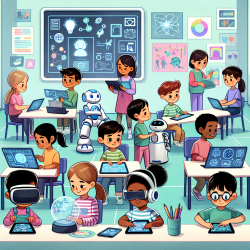
AI technologies have shown significant promise in personalizing education for students. For instance, virtual chatbots like Khanmigo can tailor hints and clues based on a student's current understanding, thereby enhancing their learning experience. Similarly, social robots have been designed to assist children in reading by using predictive algorithms to gauge vocabulary knowledge.
Automated grading systems are another example where AI can reduce the workload on teachers by providing detailed feedback and scoring based on student responses. Additionally, predictive systems can help school administrators identify students at risk of dropping out, allowing for early intervention.
The Challenges of Integrating AI in Schools
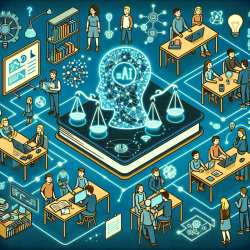
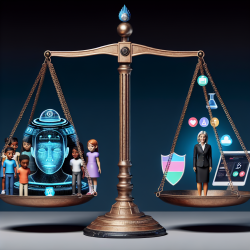
Despite these benefits, the integration of AI in schools is not without its challenges. The use of AI raises concerns about privacy due to the vast amounts of personal data collected. There is also a risk of producing inaccurate or biased outputs that could favor certain learning styles over others. Moreover, the deployment of AI could inadvertently exacerbate existing inequities among school districts.
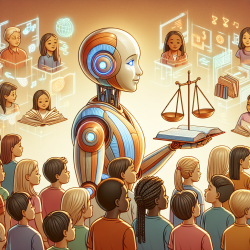
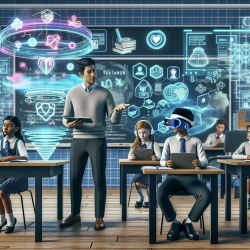
A critical issue is ensuring that AI does not undermine the development of fundamental skills such as writing. The role of teachers remains irreplaceable; they provide not only academic instruction but also essential social development for students. Therefore, any introduction of AI into classrooms should complement rather than replace traditional teaching methods.
The Need for Federal Guidance
The absence of federal guidance on the use of AI in K-12 education has resulted in a fragmented approach across states. Each state has developed its own policies and guidelines, leading to inconsistencies that could hinder the effective use of AI in education.
The federal government can play a pivotal role by funding research, setting technical standards, and providing procurement assistance. By doing so, it can help states make informed decisions about integrating AI into their curricula while ensuring safety and equity.
Policy Recommendations for Safe AI Use
- Research: Increased funding for research on AI systems' effectiveness and safety is crucial. This includes understanding how students learn with AI and how to maximize educational benefits while minimizing risks.
- Standards Development: Developing technical standards for auditing AI systems is essential to ensure they function as intended without compromising privacy or fairness.
- Educational Guidance: The federal government should offer guidance on appropriate uses of AI in classrooms and teacher training programs to promote AI literacy among educators.
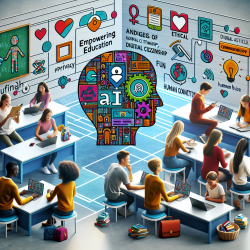
- AI Literacy: Creating guidelines for what students should learn about AI will prepare them to be informed citizens and productive workers in an increasingly digital world.
The Future of AI in Education
The integration of AI into K-12 education offers immense potential but must be approached with caution. By fostering collaboration between federal agencies, states, and educational institutions, we can create a framework that supports innovation while safeguarding against potential harms.
K-12 education aims to prepare children for successful adult lives as informed citizens and creative thinkers. Careful consideration of how best to utilize AI will help us serve the future needs of our children, their educators, and society at large.
For more information, please follow this link.