Occupational Therapy for Kids: What It Is and Why It Matters
When adults hear “occupational therapy,” they sometimes think it is about preparing for a job. For kids, it is different. Pediatric occupational therapy (often called OT) helps children build the everyday skills they need to participate in school, play, and self-care. In other words, OT supports the “jobs” of childhood: learning, moving, making friends, and becoming more independent.
At TinyEYE, we partner with schools to provide online therapy services, including occupational therapy. That means students can access support even when schools are short-staffed, schedules are tight, or specialists are hard to find locally.
What Does an Occupational Therapist Help With?
Occupational therapists look at the whole child. They consider how a student’s body, brain, environment, and daily routines work together. OT can support children in many areas, including:
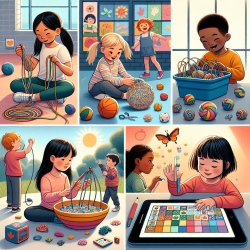
Fine motor skills (small hand movements): using scissors, holding a pencil, buttoning, zipping, opening containers.
Handwriting and written output: letter formation, spacing, speed, endurance, copying from the board, organizing work on a page.
Gross motor and postural control: core strength, balance, coordination, sitting upright for learning, moving safely around the classroom.
Sensory processing and regulation: managing noise, touch, movement, and other sensations so the child can stay calm and ready to learn.
Executive functioning: planning, starting tasks, staying organized, remembering steps, managing time.
Self-care and independence: dressing skills, hygiene routines, feeding, using tools and materials in class.
Social participation: joining group work, navigating personal space, managing frustration, using coping strategies.
Signs a Child Might Benefit From OT
Every child develops at their own pace. Still, certain patterns can suggest a student may need extra support. Teachers and families often notice:
Frequent fatigue during writing or complaints that their hand hurts.
Messy or slow handwriting that makes it hard to show what they know.
Trouble using classroom tools like scissors, glue sticks, rulers, or manipulatives.
Difficulty sitting still or staying in a good learning posture.
Big reactions to sensory input (covers ears, avoids touch, seeks constant movement, melts down in busy spaces).
Challenges with transitions, starting tasks, or following multi-step directions.
Frequent spills, difficulty opening lunch items, or trouble with clothing fasteners.
These signs do not automatically mean a child needs OT, but they are good reasons to ask questions and consider an OT screening or evaluation through the school process.
How OT Supports Success in the Classroom
School is full of “hidden” demands. A student might understand the lesson perfectly but struggle to show it because the task requires skills that are still developing. OT helps remove barriers so learning can shine.
1) Building Strong Foundations for Learning
Before a child can write comfortably, they need stability in their shoulders, core strength, and hand skills. OT may include activities that build:
Hand strength and endurance
Finger isolation and coordination
Visual-motor integration (what the eyes see and what the hands do)
Bilateral coordination (using both hands together)
2) Supporting Sensory Regulation
Some students are easily overwhelmed by noise, touch, or movement. Others seek constant movement and have trouble settling. OT helps students learn strategies to regulate their bodies so they can focus. This might include:
Movement breaks planned into the day
Tools for calming and focus (as appropriate in the school setting)
Classroom routines that reduce sensory overload
Teaching the student to notice early signs of stress and use coping tools
3) Making Written Work More Accessible
Handwriting can be a major stressor. OT can address letter formation, spacing, and posture. When needed, OT can also recommend accommodations so the student can demonstrate learning without being held back by motor demands. Depending on the student’s needs, supports may include:
Alternative paper options (different line spacing)
Pencil grips or adapted writing tools
Keyboarding or assistive technology
Reduced copying demands
Graphic organizers for written expression
What an OT Session Might Look Like (Kid-Friendly and Goal-Focused)
OT should feel purposeful and encouraging, not overwhelming. Sessions often look like play, but they are carefully planned to target specific skills. An occupational therapist may use:
Games that build hand skills (pinching, grasping, in-hand manipulation)
Drawing, tracing, and writing practice with clear strategies
Cutting and craft tasks to build coordination
Movement activities to support posture and regulation
Visual supports and checklists for routines and organization
Just as important, OT often includes coaching. The therapist collaborates with educators and families to make strategies realistic in daily routines.
How Online Occupational Therapy Can Help Schools
Online OT (also called teletherapy) brings occupational therapy services to students through secure video sessions. In school settings, this can be a practical way to support students when in-person staffing is limited or when schools need flexible scheduling.
Online OT can work well for many goals, especially when the therapist can:
Coach students through activities using common classroom materials
Teach self-regulation strategies and routines
Support handwriting instruction with visual modeling and guided practice
Collaborate with school staff on accommodations and classroom strategies
Provide consultative services to help teams problem-solve
With TinyEYE’s online therapy services, schools can access qualified clinicians and consistent support. The focus stays on functional outcomes: helping students participate more successfully in the school day.
How Families and Educators Can Support OT Goals at Home and in Class
Progress is faster when strategies are used in real life, not just during therapy time. Here are simple, practical ways to support common OT goals:
Fine Motor and Hand Skills
Encourage short, fun practice: building with small blocks, using tweezers, stringing beads, or playing with putty.
Offer tools that match the child’s skill level (thicker crayons can be easier than thin pencils at first).
Practice opening containers, zippers, and snack packages as part of daily routines.
Handwriting Support
Focus on posture first: feet supported, paper positioned well, and the non-writing hand holding the page.
Keep practice brief and positive. A few minutes done well is better than long drills that create frustration.
Ask the OT about the best cues for your child (for example, “tall letters touch the top line”).
Sensory and Self-Regulation
Build predictable routines and give transition warnings (for example, “5 minutes until cleanup”).
Notice patterns: When does the child get overwhelmed? Noise? Crowds? Hunger? Fatigue?
Teach a simple calm-down plan: breathe, ask for a break, use a coping tool, return to task.
OT Is About Confidence, Not Just Skills
One of the most important outcomes of occupational therapy is confidence. When children can fasten a zipper, write their name, manage big feelings, or keep up with classroom routines, they feel capable. That sense of “I can do this” often leads to better participation, stronger relationships, and more willingness to try.
If you are a school leader, educator, or family member wondering whether a child might benefit from occupational therapy, start with a conversation. The earlier we identify barriers, the sooner we can build supports that help the child thrive.
For more information, please follow this link.