
Across the U.S., reading by third grade has become a defining benchmark for early literacy. Many states have passed laws designed to improve early reading outcomes—some even tying third-grade reading performance to high-stakes decisions like retention. The attention is understandable: early reading achievement strongly predicts later school success, and early reading difficulties are associated with long-term risks such as lower achievement across subjects, dropping out, and broader social consequences.
But the conversation can become oversimplified. When the goal is framed as “every child reading by third grade,” it can sound like a single finish line with a single pathway. In reality, literacy development is complex, multi-dimensional, and deeply influenced by opportunity, instruction, and individualized learner needs.
Third Grade Isn’t Magical—Early Literacy Starts Earlier and Continues Longer
Third grade is a useful checkpoint, but it’s not a magical turning point. Reading achievement at the end of second grade also predicts later success, and early language and emerging literacy skills in preschool and kindergarten matter as well. Likewise, strong instruction by grade 3 does not “inoculate” students from later reading challenges. As texts become more complex—think upper-elementary informational texts, middle school science, or high school literature—students need ongoing support to grow as readers.
The popular phrase “learn to read, then read to learn” is catchy, but not quite accurate. Even young children learn from reading—first from being read to, and then from books they read themselves, often well before third grade. Most state standards also expect students to begin “reading to learn” in kindergarten and first grade in age-appropriate ways.
Reading Is Much More Than Sounding Out Words
One of the most important insights for educators, families, and policymakers is this: reading proficiency is far more than decoding. Yes, the ability to recognize words accurately and efficiently matters. But state reading assessments in third grade and beyond typically require students to do much more—like comprehend long passages, infer meaning, analyze text structure, integrate information across texts, and respond in writing.
In other words, when students struggle on reading tests, it does not always mean they “can’t read.” It often means they have not yet developed the full set of skills, knowledge, and dispositions that proficient reading demands.
Skills That Contribute to Reading Success
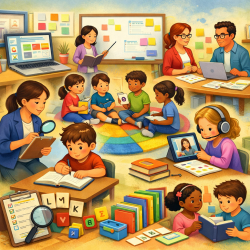
Early literacy includes a wide range of components that develop over time and interact with one another. These include (but are not limited to):
- Print awareness and concepts of print
- Phonological awareness
- Decoding and word recognition
- Reading fluency
- Vocabulary knowledge and vocabulary strategies
- Comprehension monitoring and comprehension strategies
- Background knowledge (including science and social studies knowledge)
- Syntactic awareness and morphological analysis
- Text structure analysis and genre knowledge
- Executive skills (e.g., attention, inhibitory control, cognitive flexibility)
- Reading stamina and positive reading attitudes
This breadth helps explain why literacy instruction can’t be “one program for everyone” and why schools need systems that identify what each student needs most.
Why Students Get Off Track: Different Profiles, Different Supports
Students struggle with reading for many reasons, and those reasons often require different interventions.
Profile 1: Students Who Struggle to Read Words
Some students have significant difficulty with decoding and word recognition. This may be related to dyslexia or other learning differences, or it may reflect limited or poor-quality instruction. These students typically need explicit, systematic instruction aligned to their specific decoding needs.
Profile 2: “Word Callers” Who Read Fluently but Don’t Understand
Other students can read words accurately and even fluently, yet comprehension lags behind. These students may struggle with language processing, have limited vocabulary or background knowledge, or may not be engaging cognitively with the text (for example, not making inferences or forming mental images). Their support plan should prioritize language comprehension, knowledge-building, and meaning-making strategies—not just more phonics.
Profile 3: Students Whose Executive Skills Interfere with Reading
Some students have difficulty sustaining attention, inhibiting distractions, or coordinating multiple mental processes at once. For these learners, literacy intervention alone may not be enough. They may benefit from supports that also address self-regulation, classroom routines, and broader learning readiness skills.
The “One-Size-Fits-All” Intervention Trap
Despite the variety of reading needs, many schools still funnel students into the same intervention after a screening assessment flags them as “below benchmark.” A helpful analogy from literacy research compares this to giving every child who fails a vision screening the exact same eyeglass prescription. The result is predictable: some students improve, others stall, and many receive support that doesn’t match the real barrier.
To improve outcomes, schools need differentiated intervention pathways—grounded in evidence and informed by diagnostic data—so that instruction targets the underlying skill gaps rather than the symptom (a low score).
Teaching Reading Is Like Working in an E.R.
Teaching early literacy requires the ability to assess quickly, respond precisely, and manage many “cases” at once—often in classrooms of 20 to 30 students, across a school year packed with competing demands. The stakes are high, and the work is complex. That’s why strong teacher preparation and ongoing professional learning matter.
What Effective Professional Learning Looks Like
Research suggests that professional development is most effective when it is strong in both process and content:
- Strong process: sustained learning over time, active practice, opportunities to see strategies modeled, coaching, feedback, and follow-up
- Strong content: training focused on practices supported by research, aligned to the real demands of literacy instruction and assessment
One-off “sit-and-get” workshops without implementation support rarely change classroom practice. Schools need job-embedded learning that helps teachers translate research into daily instruction.
Reading Instruction Should Be Research-Informed—Like Healthcare
If a child had a serious medical condition, most families would expect the treatment plan to reflect the latest, best evidence. Literacy deserves the same mindset. Yet in education, ineffective practices can persist for years, while proven strategies may not reach classrooms consistently.
A more research-informed culture means:
- Choosing curriculum materials based on evidence, not marketing claims
- Using assessments that clarify what students need next
- Implementing interventions with fidelity and monitoring progress
- Adjusting instruction when data shows limited response
Equity Must Be Central to Early Literacy Efforts
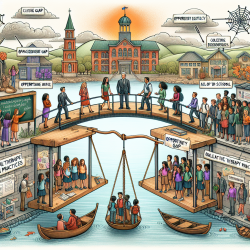
Large gaps in reading outcomes are not random. They reflect inequities in opportunity—such as access to high-quality preschool, availability of books and print-rich environments, and opportunities for higher-order discussion and knowledge-building instruction.
Even factors like community access to libraries, home book availability, and reliable internet can shape how much students read and learn outside school. If we want literacy gains that last, schools and systems must address both instruction and access.
Where TinyEYE Fits: Supporting Schools with Specialized, Accessible Services
Because literacy challenges can stem from language processing, vocabulary development, comprehension, and executive skill demands, schools often benefit from a team approach. TinyEYE provides online therapy services to schools, helping districts expand access to specialized support—especially when hiring and staffing shortages make in-person services difficult to sustain.
In practice, teletherapy can support early literacy goals by helping schools:
- Provide timely support for students with speech-language needs that affect comprehension and classroom participation
- Collaborate with educators to align therapy goals with literacy instruction (e.g., vocabulary, narrative skills, listening comprehension)
- Increase service consistency across buildings, rural areas, or hard-to-staff roles
- Strengthen MTSS/RTI efforts through coordinated, student-specific intervention planning
Most importantly, effective support is targeted. The goal is not “more intervention,” but the right intervention—matched to student needs and delivered with quality.
Key Takeaways for School Leaders and Policymakers
- Reading by third grade is an important milestone, but literacy development starts earlier and must continue beyond grade 3.
- Proficient reading includes decoding, language comprehension, vocabulary, knowledge, executive skills, and stamina—not just sounding out words.
- Students struggle for different reasons; interventions must be differentiated rather than one-size-fits-all.
- Teacher expertise matters, and professional learning must be strong in both content and process.
- Equity in access—to preschool, books, strong instruction, and enrichment opportunities—must be a central strategy, not an afterthought.
For more information, please follow this link.