Creating a positive and conducive learning environment is crucial for student success in grades K-5. With behavioral challenges often hindering academic progress, educators need effective strategies to promote prosocial behavior and minimize disruptive conduct in the classroom. This blog delves into the most impactful teacher-delivered interventions, based on the What Works Clearinghouse report on behavioral interventions.
Understanding Teacher-Delivered Behavioral Interventions
The term "teacher-delivered behavioral interventions" refers to strategies that educators implement independently within their classrooms to address student behaviors. These interventions are designed to enhance students' self-regulation skills and promote a supportive learning atmosphere without requiring additional staff support.
The Importance of Prosocial Behavior
Prosocial behavior involves actions that benefit others and contribute positively to the classroom community. Encouraging such behaviors is essential as they foster an environment where students feel safe, respected, and ready to learn. Conversely, challenging behaviors can disrupt learning and create a negative classroom climate.
The Seven Recommendations for Effective Behavioral Interventions
The What Works Clearinghouse report outlines seven key recommendations for implementing teacher-delivered behavioral interventions effectively:
- Co-establish, model, and teach clear expectations: Collaboratively develop behavior expectations with students and ensure they align with schoolwide standards. Reinforce these expectations through modeling and consistent teaching.
- Remind students to engage in expected behaviors: Use precorrections or reminders to guide students toward positive behaviors before they engage in activities.
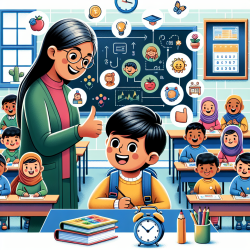
- Acknowledge students for demonstrating expected behaviors: Provide positive attention, praise, and rewards when students meet behavior expectations. This reinforcement encourages continued compliance and fosters a positive classroom culture.
- Offer instructional choices: Increase student engagement by allowing them to make choices in their learning activities, which promotes autonomy and motivation.
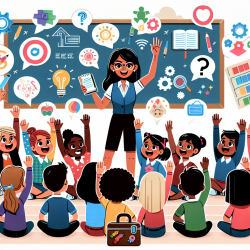
- Provide frequent opportunities to respond: Engage students actively by giving them multiple opportunities to respond during lessons, increasing participation and focus.
- Teach self-monitoring: Encourage students to reflect on their behavior by teaching them self-monitoring techniques. This empowers students to take responsibility for their actions.
- Use behavior ratings for feedback: Implement structured feedback systems like behavior report cards or group-based games to provide consistent feedback on student behavior.
The Impact of These Interventions
The effectiveness of these interventions has been supported by research conducted across various educational settings. Teachers who adopt these strategies report improvements in classroom behavior, increased student engagement, and stronger teacher-student relationships. The emphasis on positive reinforcement and student choice is particularly noted for its role in reducing disruptive behaviors.
A Practical Approach
Implementing these recommendations requires thoughtful planning but can be integrated into daily routines with minimal disruption. Teachers are encouraged to tailor these strategies to fit their unique classroom dynamics while ensuring consistency with schoolwide policies.
Your Next Steps
If you're looking to transform your classroom into a more harmonious and productive environment, consider incorporating these teacher-delivered behavioral interventions. By setting clear expectations, providing choices, and acknowledging positive behaviors, you can create a supportive atmosphere where all students thrive.
For more information on these interventions, please follow this link.