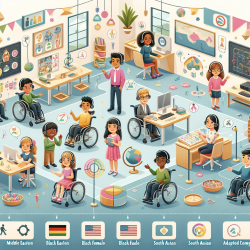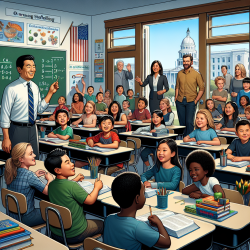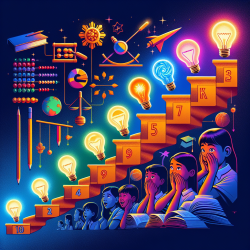
In a landmark move to overhaul the educational landscape of the Philippines, the Department of Education (DepEd) has implemented the K to 12 Basic Education Program. This comprehensive reform is designed to provide Filipino students with a more robust and globally competitive education. But what exactly does this program entail, and how does it aim to transform the future of education in the country?
The Framework and Rationale
The K to 12 Basic Education Program is considered one of the most significant educational reforms in the Philippines. Its primary objective is to enhance the quality of basic education by extending the number of years from ten to twelve. This initiative aligns with international standards and aims to equip learners with essential skills and competencies for the 21st century.
The program was developed through collaboration with various stakeholders, including the Commission on Higher Education (CHED), Technical Education and Skills Development Authority (TESDA), and industry partners. It emphasizes a learner-centered approach, ensuring that education is responsive and relevant to students' needs.
Key Features of the K to 12 Curriculum
The K to 12 curriculum is structured into several key stages:
- Kindergarten: Focuses on foundational skills necessary for formal schooling.
- Elementary (Grades 1-6): Builds literacy, numeracy, and social skills.
- Junior High School (Grades 7-10): Offers a broad-based education with specialized subjects.
- Senior High School (Grades 11-12): Provides tracks in Academic, Technical-Vocational-Livelihood, Sports, and Arts & Design.
This structure allows for a more personalized education pathway that caters to individual interests and career aspirations. Additionally, it incorporates Mother Tongue-Based Multilingual Education (MTB-MLE) in early grades, supporting literacy development in students' native languages.
The Role of Teachers and Learning Materials
A critical component of the K to 12 program is the emphasis on teacher quality. The reform process includes adopting new teaching standards that focus on professional development and competency-based assessments. Moreover, learning materials are continuously developed and contextualized to meet regional needs and cultural contexts.
Challenges and Opportunities
The implementation of the K to 12 program has not been without challenges. Concerns about resource allocation, teacher readiness, and infrastructure have been raised. However, these challenges also present opportunities for innovation and collaboration among educators, policymakers, and communities.
The ultimate goal is to produce graduates who are holistically developed individuals ready for higher education or employment. By fostering critical thinking, problem-solving abilities, and lifelong learning skills, the K to 12 program aims to create a generation capable of contributing meaningfully to society.
Conclusion
The K to 12 Basic Education Program represents a bold step forward in transforming Philippine education. By aligning with global standards and focusing on comprehensive development, it seeks to prepare Filipino learners for future challenges. While there are hurdles to overcome, the potential benefits far outweigh the difficulties. As stakeholders continue to work together towards successful implementation, the future of education in the Philippines looks promising.
For more information, please follow this link.