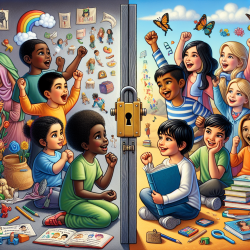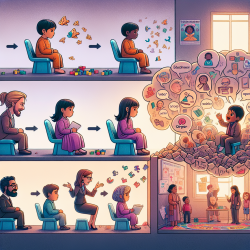
Developmental Language Disorder (DLD) is a persistent condition that affects a child's ability to understand and use language effectively. It is not caused by emotional difficulties, limited exposure to language, or other medical conditions like Autism Spectrum Disorder. Instead, DLD is a unique challenge that requires specific strategies to support affected children in their social and educational environments.
Key Characteristics of DLD
DLD can manifest differently in each child, depending on their strengths and needs. Common signs include difficulties in following directions, asking questions, or expressing thoughts. Children with DLD might use more generic words and simple sentence structures, which can lead to challenges in academic and social settings.
Strategies to Support Children with DLD
Supporting a child with DLD involves providing rich language models and creating opportunities for communication. Here are some effective strategies:
- Keep Language Simple During Daily Routines: Use short, repetitive phrases during activities like snack time or getting dressed. For example, "Put on your jacket" or "Brush your teeth."
- Repeat Words Often: Provide multiple models of the same word during interactions to reinforce understanding.
- Interpret Your Child's Message: If your child points to something like cookies, model the language by saying "I want a cookie."
- Position Yourself Face-to-Face: Hold items up to your face to encourage eye contact and get down to your child's level.
- Wait: Give your child plenty of time to respond after you speak. This pause allows them to process the information and formulate a response.
- Offer Choices: Encourage communication by offering choices, such as "Do you want a banana or blueberries?"
- Use Music, Play, and Share Books: Engage your child in activities that promote language learning while limiting screen time.
- Add Gestures: Use gestures to reinforce spoken words. For example, wipe your hands together while saying "All done."
- Avoid Pressure: Instead of asking your child to repeat words or phrases, make comments and ask fewer questions to reduce pressure.
The Impact of DLD
DLD affects up to 15% of kindergarteners and can lead to difficulties in reading and writing later in life. It is essential to recognize the signs early to provide appropriate support. Children with a family history of DLD are more likely to develop the disorder themselves.
Supporting Language Development
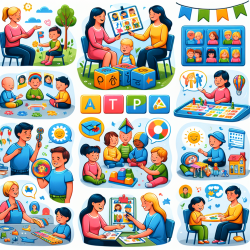
Incorporate language learning into everyday activities such as cooking, reading, and playing games. Use opportunities to model language and encourage your child to engage in conversations. Visual supports like picture schedules can also aid in understanding and following instructions.
Conclusion
Supporting a child with DLD requires patience, understanding, and specific strategies to enhance their language abilities. By integrating these practices into daily routines, parents and educators can help children with DLD improve their communication skills and thrive in various settings.
For more information, please follow this link.