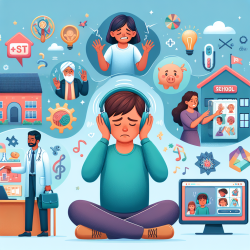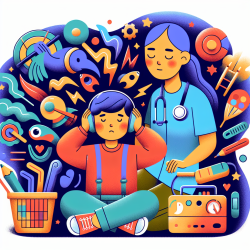
In middle and high school, students are expected to manage more complex schedules, higher academic demands, and increasingly busy social environments. For many teens, that’s challenging but manageable. For others, sensory issues can make a typical school day feel overwhelming—sometimes in ways that are misunderstood as “attitude,” “avoidance,” or “not trying.”
As a Special Education Director, I’ve sat with families who are trying to make sense of sudden school refusal, chronic fatigue, or emotional outbursts that seem to come “out of nowhere.” Often, when we slow down and look closely, sensory needs are a key piece of the puzzle. The good news is that when schools and families understand what’s happening and respond consistently, teens can build skills, confidence, and self-advocacy.
What do we mean by “sensory issues” in teens?
Sensory issues typically refer to differences in how a person notices, processes, and responds to sensory input. Sensory input includes what we see, hear, touch, taste, and smell, as well as body-based senses like movement (vestibular) and body position/pressure (proprioception).
Teens with sensory differences may experience:
- Over-responsiveness (sensory input feels too intense): bright lights feel painful, cafeteria noise feels unbearable, certain fabrics feel “scratchy” or distracting.
- Under-responsiveness (sensory input is harder to notice): a teen may seek more movement, not notice messes on their hands, or appear “unbothered” by loud environments but then crash later.
- Sensory seeking (craving input): fidgeting, tapping, constant movement, chewing, or needing pressure (like leaning into objects).
- Sensory discrimination challenges (difficulty interpreting input): trouble identifying where a sound is coming from, misjudging personal space, or struggling with fine motor tasks due to reduced body awareness.
Sensory issues can be present with autism, ADHD, anxiety, trauma histories, learning differences, and other disability categories. They can also exist without a formal diagnosis. In adolescence, sensory needs may become more visible because expectations increase and coping strategies that worked in elementary school no longer fit.
How sensory issues can show up at school
In secondary settings, sensory stressors are everywhere: crowded hallways, constant transitions, unpredictable noise, strong smells, fluorescent lighting, and social pressure. A teen may not have the language to describe sensory overload, so the behavior becomes the communication.
Common school-based signs include:
- Frequent requests to leave class, go to the nurse, or take breaks
- Headaches, stomachaches, or fatigue that spike during busy parts of the day
- Difficulty focusing in certain rooms (band, gym, cafeteria, assemblies)
- Meltdowns, shutdowns, or “walking out” after a build-up of stress
- Refusal to wear certain clothing (gym uniforms, lab coats) or use certain materials
- Conflicts with peers due to personal space, touch, or noise sensitivity
- Perfectionism or avoidance when tasks involve handwriting, cutting, lab work, or crowded group activities
It’s important for teams to avoid interpreting these patterns as defiance first. A better question is: What demand or environment is exceeding this student’s current capacity?
Why teens are uniquely impacted
Adolescence adds layers that make sensory issues more complex:
- Identity and social belonging: Teens often work hard to “blend in,” which can lead to masking sensory discomfort until it becomes unmanageable.
- Executive functioning demands: Planning, organizing, and shifting attention are harder when the nervous system is overloaded.
- Sleep and stress: Irregular sleep, increased homework, and social stress can lower tolerance for sensory input.
- Less adult scaffolding: Secondary schedules provide fewer built-in supports and less consistent adult monitoring than elementary settings.
When we recognize these factors, we can respond with supports that respect a teen’s growing independence while still providing structure.
Getting the team on the same page: assessment and collaboration
If sensory issues are impacting educational access, the school team should consider a structured problem-solving process. Depending on the student’s needs, this may include general education interventions, a 504 plan, or special education evaluation and services.
Helpful steps include:
- Gathering data across settings: When does the student struggle most—time of day, location, subject, group size, noise level?
- Student voice: Ask the teen what helps and what makes things worse. Many teens can identify triggers when asked in a respectful, non-judgmental way.
- OT consultation or evaluation: Occupational therapy can help identify sensory patterns and recommend strategies and environmental supports.
- Functional perspective: Focus on how sensory needs affect attendance, engagement, behavior, and task completion.
In many districts, therapist staffing shortages make timely services difficult. This is where teletherapy can be a practical option to maintain continuity and access—especially for consultation, skill-building, and staff coaching.
Practical strategies schools can implement
Supports should be individualized and flexible. The goal is not to eliminate all discomfort, but to help the teen regulate and participate.
Environmental adjustments
- Preferential seating away from high-traffic areas, doors, pencil sharpeners, or loud peers
- Access to a quieter space during independent work or tests
- Lighting adjustments when possible (natural light, lamp options, reducing glare)
- Advance notice for assemblies, drills, or schedule changes
Tools and coping supports
- Noise-reducing headphones or earplugs for independent work (as appropriate)
- Fidgets or hand tools that support attention without disrupting others
- Chewelry or gum (if allowed) for oral sensory regulation
- A structured break plan (short, predictable, and documented)
Instructional and workload supports
- Chunking assignments and providing clear, step-by-step directions
- Alternatives to handwritten output (speech-to-text, typing, graphic organizers)
- Flexible demonstration of learning (projects, oral responses, recorded presentations)
- Reduced copying demands (notes provided, guided notes, digital materials)
Transition supports
- Early passing time to avoid crowded hallways
- A designated “reset” location with a time limit and return plan
- Visual schedules or digital reminders to reduce cognitive load
When these supports are tied to clear expectations and taught proactively, they are far more effective than “reactive” strategies used only after a crisis.
Helping teens build self-advocacy (without putting it all on them)
One of the most meaningful long-term goals is helping teens understand their own sensory needs and communicate them appropriately. That said, self-advocacy is a skill—and skills require instruction, practice, and adult support.
Schools and families can teach teens to:
- Identify early signs of overload (tight chest, irritability, headache, zoning out)
- Use a simple script to request support (e.g., “I need a two-minute break so I can refocus.”)
- Choose from a short menu of strategies that work for them
- Reflect after challenging moments: what triggered it, what helped, what to try next time
For some students, counseling supports may also be appropriate—particularly when anxiety and sensory overload interact. A coordinated approach (OT strategies, counseling supports, and classroom accommodations) is often the most effective.
How TinyEYE’s online therapy services can help schools respond
Many districts are working hard to meet student needs while navigating staffing shortages and increasing service demands. Online therapy can expand access and consistency, particularly when schools need timely support for students with sensory-related challenges.
Through TinyEYE’s online therapy services, schools may be able to:
- Provide occupational therapy support for sensory regulation strategies and school-based routines
- Offer consultation and coaching to educators on practical accommodations
- Support student skill-building around self-regulation and participation
- Improve service continuity when in-person staffing is limited
When implemented thoughtfully, teletherapy can be a strong complement to school teams—helping students access the curriculum and reduce barriers that interfere with learning.
Key takeaways
- Sensory issues in teens often show up as avoidance, fatigue, irritability, or behavior changes—especially in busy school environments.
- Understanding triggers and patterns is essential; behavior is often a sign of nervous system overload.
- Effective supports include environmental adjustments, structured breaks, tools for regulation, and flexible ways to demonstrate learning.
- Self-advocacy is teachable and should be supported by adults through practice and clear routines.
- Online therapy services can help districts maintain access to OT supports and consultation when staffing is a challenge.
For more information, please follow this link.