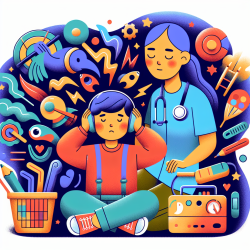
As a Special Education Director, I’ve sat with many families who ask some version of the same question: “Why does my child cover their ears when the sound seems normal to everyone else?” It can be confusing and, at times, concerning—especially when it happens at school during assemblies, in the cafeteria, or even during routine classroom activities.
The most important starting point is this: when a child covers their ears, they are communicating. They may not yet have the words to explain what they’re experiencing, but their behavior is telling us that something in the environment feels uncomfortable, overwhelming, or unpredictable. Our job as adults is to get curious, gather information, and respond in ways that support the child’s access to learning and participation.
What “normal” sounds can feel like to a child
Many everyday school sounds can be surprisingly intense for some students. Examples families and staff commonly report include:
- Hand dryers in restrooms
- School bells and intercom announcements
- Chairs scraping on the floor
- Cafeteria noise and echo
- Fire drills and alarms
- Vacuum cleaners, blenders, or fans at home
- Group work, assemblies, pep rallies, and gym class
Even if the sound level is “typical,” a child’s nervous system may process it as too loud, too sudden, or too chaotic. That mismatch is often the heart of the issue.
Common reasons a child may cover their ears
1) Sound sensitivity (auditory hypersensitivity)
Some children experience certain frequencies or volumes as physically uncomfortable. This is sometimes described as auditory hypersensitivity. The child isn’t being dramatic or defiant—what they feel can be genuinely distressing.
2) Sensory processing differences
For some students, the brain has difficulty filtering background noise. Instead of “tuning out” the hum of a classroom, the child may hear everything at once. This can lead to sensory overload, especially in busy environments like hallways or lunchrooms.
3) Anxiety and unpredictability
Covering ears can also be a coping strategy related to worry. If a child fears a sudden loud sound (like the bell or a fire drill), they may preemptively cover their ears in anticipation. In these cases, the behavior may increase during transitions or unfamiliar settings.
4) Hearing concerns or ear discomfort
Sometimes the issue is medical rather than sensory. Ear infections, fluid in the ears, impacted wax, or other hearing-related concerns can make sounds feel distorted or painful. A child might cover their ears because sound is uncomfortable, or because they are trying to “block out” a sensation they can’t describe.
5) Neurodevelopmental factors
Sound sensitivity can be seen across many profiles, including (but not limited to) autism, ADHD, and language processing differences. It’s important not to jump to conclusions based on one behavior, but it is equally important to consider the whole child: communication, attention, social interaction, learning, and regulation.
6) Communication and language load
In some cases, children cover their ears when the environment is not just loud, but linguistically demanding. A noisy classroom can make it harder to understand speech. When comprehension becomes effortful, some students respond by withdrawing or trying to reduce input.
What to observe: helpful clues for families and schools
If your child covers their ears, a few simple observations can help a school team (and your pediatric providers) narrow down what’s happening:
- When does it happen most (time of day, specific classes, specific locations)?
- What sounds trigger it (high-pitched, sudden, sustained, multiple voices)?
- How long does it last (seconds, minutes, throughout an activity)?
- What else is happening (fatigue, hunger, transitions, crowded spaces)?
- What helps (leaving the area, deep pressure, headphones, a quiet corner, predictable warnings)?
- What is the child communicating (covering ears plus crying, running, freezing, yelling, or shutting down)?
Patterns matter. One isolated incident is different from daily distress that interferes with attendance, participation, or learning.
How schools can respond in supportive, practical ways
In districts across the country, we’re balancing increasing student needs with very real staffing shortages in related services. Even so, there are effective steps schools can take right away—often with minimal disruption—while we determine whether formal supports are needed.
Environmental and routine supports
- Preview and warn before predictable loud sounds (bells, assemblies, fire drills when possible).
- Offer seating choices away from speakers, doors, pencil sharpeners, or high-traffic areas.
- Create a calm space or quiet corner for brief regulation breaks.
- Use soft materials where feasible (tennis balls on chair legs, rugs, felt pads) to reduce scraping noise.
- Provide structured transitions with visual schedules or simple countdowns.
Student-centered coping tools
- Teach a signal the child can use to request a break.
- Practice coping strategies when calm (breathing, “hands to shoulders,” wall push-ups, or other regulation routines).
- Consider hearing protection thoughtfully (for example, earmuffs during fire drills or assemblies). This should be individualized so it supports participation rather than increasing avoidance.
These supports can often be implemented through general education strategies, a 504 plan, or an IEP, depending on the level of impact on access to education.
When to consider additional evaluation or services
If ear covering is frequent, intense, or interferes with learning and daily functioning, it may be time to pursue more targeted support. Consider reaching out to your school team and medical providers if you notice:
- Persistent distress in noisy environments
- Frequent meltdowns, avoidance, or refusal tied to sound
- Concerns about hearing, speech clarity, or following directions
- Regression in participation (stopping activities they used to enjoy)
- Sleep issues or heightened sensitivity to multiple sensory inputs
Possible next steps may include:
- Hearing screening or referral to an audiologist (to rule out medical/hearing issues)
- Occupational therapy consultation for sensory regulation strategies
- Speech-language therapy involvement if listening comprehension, auditory processing demands, or communication breakdowns are part of the picture
- Functional behavior assessment when the behavior significantly impacts school functioning, to identify triggers and effective supports
How online therapy can help schools respond faster and more consistently
Many districts are experiencing therapist staffing shortages, especially in speech-language pathology and occupational therapy. This is where online therapy services can be a practical, high-quality option to maintain compliance and continuity of services.
With online therapy, schools can:
- Reduce service gaps caused by vacancies or extended leaves
- Provide consistent scheduling for students who need routine and predictability
- Support staff and families with strategies that generalize across settings
- Collaborate efficiently through virtual meetings and shared planning
For students who cover their ears at “normal” sounds, the goal is not simply to stop the behavior—it’s to understand the need behind it and build skills and supports so the child can participate confidently at school and at home.
A final, family-centered reminder
If your child covers their ears, try to view it as communication rather than misbehavior. With thoughtful observation, collaboration between home and school, and the right supports, many children make meaningful progress in tolerating everyday sounds and navigating busy environments successfully.
For more information, please follow this link.