The South’s Therapy Market: Fast Growth, Fast Change
The Southern United States is in a unique moment for pediatric therapy access. States like Texas, Florida, North Carolina, and Oklahoma are seeing rapid population growth, and that growth puts immediate pressure on therapy systems—especially for speech-language therapy, occupational therapy, and related services.
At the same time, many Southern markets are more deregulated and more friendly to private practice expansion than other regions. That combination (more families + more private clinics) creates a landscape where therapy access can look wildly different depending on where you live, what time of day you need services, and how you’re paying.
In this post, we’ll zoom in on Texas because it’s a clear example of how the market is splitting into “fast access if you can pay” versus “long waits if you can’t,” and what that means for schools and families looking for consistent support.
Texas: A High-Volume Market Where Speed Is a Commodity
Texas is often described as a high-volume, deregulated therapy market. In major metros like Dallas, Houston, and San Antonio, private clinics are everywhere—and competition is intense. In this environment, speed becomes a selling point. Not “quality vs. quality,” but “how soon can we start?”
That might sound like good news (more options!), but it also creates a system where access is shaped by a few practical realities:
- Time-of-day demand (after-school slots are especially competitive)
- Payment type (cash/PPO often moves faster than Medicaid-based pathways)
- Capacity marketing (clinics compete loudly on availability)
The Market Is Bifurcating: Two Very Different Experiences
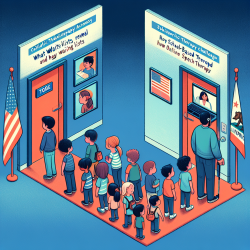
One of the clearest insights from Texas is that the market is splitting into two lanes. Families and schools may be operating in the same city, but they can experience completely different wait times depending on the provider type.
Lane 1: Hospital Systems (High Trust, High Demand, Limited Prime-Time Slots)
Hospital systems are often seen as a “gold standard” because they can offer integrated care, multidisciplinary coordination, and strong clinical oversight. But they also face heavy demand and scheduling constraints.
For example, Children’s Health in Dallas has acknowledged that there can be waitlists for “certain times of the day,” especially after-school hours. Families are advised to check in frequently to secure a spot. This is sometimes described as an “active management” approach—meaning the parent has to keep monitoring availability and re-engaging to land the right time slot.
That approach can work for families who have time and flexibility to follow up repeatedly. But it can also create friction for working parents, caregivers managing multiple children, and schools trying to coordinate services during the school day.
Lane 2: Private Clinics (Aggressive Capacity Messaging and Faster Starts)
Private clinics in Texas often compete directly on speed and availability. Some providers market “NO WAIT LISTS!” and “Same Week Evaluations,” using rapid access as a differentiator against slower-moving systems.
In Houston, for instance, clinics such as Daisy Kids Care emphasize immediate availability as a core brand promise. Other providers highlight broad service lines and capacity to handle evaluations and ongoing sessions without long delays.
In a crowded market, this kind of messaging is powerful because it speaks to the number one pain point families feel: waiting. If a child needs support now, “same week” is hard to ignore.
Pricing Transparency in San Antonio: A Quiet Gatekeeper
Another important Texas dynamic shows up clearly in San Antonio: pricing transparency.
When clinics list evaluation and session costs openly, it can act as a natural filter. Families who can pay out of pocket may move through the system quickly, while insurance-based pathways remain overloaded.
Reported pricing ranges in San Antonio include:
- Evaluations: roughly $200–$400
- Sessions: roughly $80–$110 per visit
This matters because transparent pricing can shorten waitlists for cash-pay providers. Not necessarily because the clinic is “less busy,” but because the pool of families who can commit to out-of-pocket rates is smaller than the pool seeking insurance-covered services.
In plain terms, the market can move faster when fewer people can afford to enter it.
Texas Wait Times: A Practical Snapshot
Based on the market signals described above, a realistic wait-time estimate in Texas often looks like this:
- Private (Cash/PPO): 0–2 weeks
- Hospital/Medicaid: 4–6 months
That gap is not just an inconvenience. It can change outcomes. Early intervention and consistent therapy are strongly linked to progress, especially when delays cause children to miss critical windows for skill development or classroom support.
What This Means for Schools (Not Just Families)
When we talk about therapy access, it’s easy to picture a parent calling a clinic. But schools are deeply impacted by these same market forces.
Here’s how the Texas model can show up in school settings:
- Increased referral pressure: As families struggle to access private services, schools may see more requests for support and evaluation.
- Scheduling bottlenecks: After-school scarcity pushes more demand into school-day service windows.
- Staffing strain: High-growth regions often struggle to hire and retain enough clinicians to meet student needs.
- Equity concerns: Students whose families can pay out-of-pocket may receive faster private support, while others wait—creating uneven access.
For districts, this becomes both a service delivery challenge and a planning challenge. Even when funding exists, clinician supply and scheduling realities can still create gaps.
Where Online Therapy Fits: A Practical Option for Capacity and Consistency
In a market where speed is a commodity and waitlists can stretch for months, online therapy becomes more than a convenience—it becomes a capacity strategy.
TinyEYE Therapy Services is an online option that schools can use to help address staffing shortages, reduce service delays, and provide consistent support to students. Because services are delivered virtually, schools can often expand access without being limited by local clinic saturation or the same after-school scheduling crunch that drives long waitlists.
For schools in fast-growing Texas metros, online therapy can be especially helpful when:
- in-person clinician hiring can’t keep pace with enrollment growth
- students need services during the school day (not after-school)
- districts want more predictable scheduling and coverage
- families are facing long community waitlists and need school-based support
In short, Texas shows how quickly demand can outstrip supply—especially in prime time. Online therapy gives schools another lever to pull when the local market is moving too slowly.
Key Takeaways: Texas Is Fast, Competitive, and Split by Payment Pathways
- Texas is a high-volume therapy market where private clinics compete aggressively on speed.
- Hospital systems can have significant waitlists, especially for after-school times, and families may need to actively monitor openings.
- Transparent pricing (like in San Antonio) can shorten waitlists for cash-pay services while insurance-based pathways remain congested.
- Real-world wait times can range from 0–2 weeks (private cash/PPO) to 4–6 months (hospital/Medicaid).
- Schools feel these pressures too, and online options like TinyEYE Therapy Services can help expand access and consistency.
For more information, please follow this link.