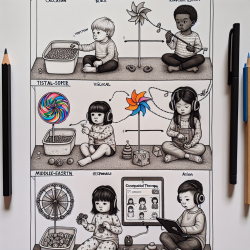
Sensory overload meltdowns can be confusing and emotionally exhausting for everyone involved—students, families, and school staff. As a Special Education Director, I’ve sat in many meetings where a parent says, “It came out of nowhere,” and a teacher says, “It felt like defiance.” Often, neither is true. What we’re seeing is a nervous system that has reached its limit.
Occupational therapy (OT) plays a key role in helping teams understand sensory processing needs, reduce triggers, and teach practical regulation skills. With therapist staffing shortages impacting many districts, it’s also important to know what supports can be implemented consistently by school teams, and when consultation or direct OT services—sometimes delivered online—can help close gaps.
What is a sensory overload meltdown?
A sensory overload meltdown is an intense response that occurs when a child’s brain and body receive more sensory input than they can process effectively. This is not the same as a tantrum. A tantrum is typically goal-driven (to gain or avoid something) and may stop when the child gets what they want. A meltdown is a loss of control that happens when the child’s regulation system is overwhelmed.
During a meltdown, you might see:
- Crying, yelling, or screaming
- Covering ears or eyes
- Hitting, kicking, pushing, or throwing objects
- Bolting or attempting to leave the area
- Shutting down, freezing, or becoming non-responsive
- Difficulty using words or following directions
Importantly, these behaviors are signals of distress. They communicate that the child needs support, not punishment.
Why do sensory overload meltdowns happen?
Many children experience sensory sensitivities at times, but some children have ongoing sensory processing differences that make everyday environments feel unpredictable or painful. Sensory overload can build quickly or accumulate over the day until the “last straw” occurs.
Common contributors include:
- Auditory input: loud cafeterias, assemblies, fire drills, echoing hallways
- Visual input: bright lights, busy bulletin boards, crowded rooms, fast movement
- Tactile input: clothing tags, glue/paint, unexpected touch in line, messy hands
- Movement and body awareness: difficulty sitting still, feeling “off balance,” bumping into peers
- Smell and taste: strong food smells, cleaning products, lunchroom odors
- Emotional and cognitive load: transitions, complex directions, social stress, fatigue, hunger
In school, sensory overload is often tied to routines we consider “normal,” such as lining up, group work, or noisy dismissal. OT helps teams identify what is overwhelming and why.
How occupational therapy views regulation and sensory needs
Occupational therapists look at how a child participates in daily activities—learning, playing, eating, dressing, writing, and interacting with peers. When sensory processing challenges interfere with participation, OT interventions focus on building functional skills and supportive environments.
OT support typically includes:
- Identifying sensory triggers and patterns across the school day
- Teaching self-regulation strategies the child can use independently over time
- Recommending environmental adjustments that reduce overload
- Collaborating with educators to embed supports into routines
- Supporting fine motor, visual-motor, and executive functioning needs that can add stress
In special education, we also have a legal and ethical responsibility to ensure supports are individualized and documented appropriately—whether through an IEP, a 504 plan, or general education interventions.
Meltdown vs. behavior: why the distinction matters in schools
When a meltdown is treated as willful misconduct, the response often escalates the situation. Consequences alone do not teach regulation. In fact, they can increase anxiety and make future meltdowns more likely.
From a compliance and best-practice standpoint, teams should consider:
- Is the behavior a manifestation of a disability or sensory processing need?
- Are we providing appropriate supports and accommodations?
- Do staff have a consistent plan for prevention and response?
- Are we documenting patterns and interventions to guide decision-making?
Clear documentation and consistent implementation protect students, support staff, and help districts meet their obligations.
Prevention: OT-informed strategies that reduce overload
Prevention is where we see the biggest impact. Many sensory overload meltdowns can be reduced when teams proactively adjust the environment and teach coping tools.
1) Predictable routines and transition supports
- Use visual schedules and “first/then” language
- Provide countdown warnings (5 minutes, 2 minutes, 1 minute)
- Assign a consistent transition role (line leader, door holder) to increase engagement
- Offer a calm transition path when hallways are crowded
2) Environmental adjustments
- Preferential seating away from high-traffic areas
- Access to noise-reducing headphones during independent work
- Reducing visual clutter in key learning spaces
- Lighting adjustments when possible (natural light, lamp options)
3) Sensory tools with clear purpose
Sensory tools are most effective when they are matched to a child’s needs and used intentionally—not as a “reward” or a one-size-fits-all solution.
- Fidgets for focus (with instruction on appropriate use)
- Seating options (wiggle cushion, footrest, stable chair)
- Movement breaks scheduled before dysregulation occurs
- Heavy work activities (pushing/pulling, wall push-ups, carrying books) to support body regulation
4) Skill-building: teaching the child what to do
- Identify body signals (fast heart, tight hands, “too loud” feeling)
- Teach simple scripts: “I need a break,” “Too much noise,” “Can I move?”
- Practice coping strategies when calm (not in the middle of a meltdown)
- Use visuals for regulation zones or emotion scales
In-the-moment response: what to do during a meltdown
When a child is in a meltdown, the goal is safety and de-escalation. Reasoning and lengthy language usually do not work because the child’s nervous system is in survival mode.
Helpful adult actions include:
- Reduce demands: pause non-essential tasks and directions
- Lower sensory input: reduce noise, dim lights if possible, move peers away
- Use calm, minimal language: short phrases, neutral tone
- Offer a safe space: a designated calm area or a quiet hallway spot with supervision
- Maintain safety: follow district crisis prevention protocols and ensure supervision
After the child is calm, that is the time to reflect, repair, and reteach skills. Teams should also debrief: what were the triggers, what helped, and what needs to change?
After the meltdown: OT’s role in planning and progress monitoring
Effective support is data-informed. OT can help teams track patterns and measure whether interventions are working. This is especially important when staffing shortages make it difficult to rely on informal observations alone.
Consider tracking:
- Time of day and setting
- Noise level, transitions, peer interactions
- Task demands (writing, group work, unstructured time)
- Early warning signs (pacing, refusal, covering ears)
- Which strategies reduced duration or intensity
These data can guide IEP goals, accommodations, and service decisions. They also support consistent implementation across classrooms and staff.
How online occupational therapy can support schools
Many districts are navigating OT staffing shortages, high caseloads, and difficulty recruiting providers. Online occupational therapy services can help maintain continuity of services and provide timely consultation to school teams.
In a school-based model, online OT can support:
- Student-specific intervention aligned to educational participation
- Consultation with teachers on sensory supports and classroom routines
- Parent collaboration and carryover strategies for home
- Progress monitoring and documentation aligned to IEP requirements
Whether services are in-person, online, or blended, the core goal remains the same: helping students access learning and participate meaningfully in school routines.
Key takeaways for families and educators
- Sensory overload meltdowns are a stress response, not a choice.
- Prevention and skill-building are more effective than consequences alone.
- OT helps identify triggers, adjust environments, and teach regulation strategies.
- Consistent plans across school and home improve outcomes.
- Data and documentation support better decision-making and legal compliance.
For more information, please follow this link.