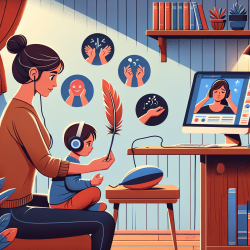
In today's fast-paced world, children are often faced with overwhelming emotions like anxiety, anger, and stress. As parents and educators, it's crucial to equip them with the right tools to handle these feelings effectively. One powerful way to do this is by teaching them coping skills.
Why Coping Skills Matter
Coping skills are strategies that help individuals manage their emotions and navigate challenging situations. For children, learning these skills early on can lead to better emotional regulation, improved problem-solving abilities, and enhanced resilience. By providing them with a toolkit of coping mechanisms, we empower them to face life's hurdles with confidence.
Introducing the Coping Skills Checklist
The Coping Skills Checklist is an excellent starting point for identifying what coping skills a child already possesses and which new ones they might benefit from trying. This tool encourages self-awareness and helps children recognize the strategies that work best for them.
- Skills to Try: Encourage children to experiment with new coping strategies and find what resonates with them.
- My Coping Skills: A personalized list where kids can keep track of the techniques that work for them.
- Feelings Rules: Basic guidelines that remind children of how to handle big emotions constructively.
- Coping Skills Cue Cards: Visual aids that serve as reminders of effective strategies during emotional highs.
- How Do I Feel?: A tool for helping kids identify their current emotional state before and after using a coping skill.
Diving into Specific Coping Strategies
The checklist includes a wide range of coping strategies categorized into various types such as calming skills, distraction skills, physical skills, and processing skills. Here are some examples:
Calming Skills
- Deep breathing using a pinwheel or bubbles
- Taking a mindful walk or practicing yoga
- Imagining their favorite place or thinking of favorite things
- Saying the alphabet slowly or recalling the words to a song they love
Distraction Skills
- Writing a story or completing puzzles like Sudoku
- Baking or cooking together
- Engaging in community service or random acts of kindness
- Playing board games or spending time with pets
Physical Skills
- Squeezing stress balls or using bubble wrap
- Dancing or jumping on a trampoline
- Swinging on a swing or making an obstacle course
- Participating in gymnastics or yoga sessions
Processing Skills
- Writing in a journal or creating music and poetry
- Doodling or coloring as a form of expression
- Talking to someone they trust about their feelings
- Meditating on positive thoughts and self-reflection
Cue Cards: A Handy Tool for Kids
Cue cards serve as practical reminders for children when they're feeling emotionally overwhelmed. These cards can be customized by writing down the coping skill or using pictures of items that help the child relax. By placing these cards on a key ring, they become easily accessible whenever needed.
This approach not only makes it easier for children to remember their coping strategies but also reinforces their independence in managing emotions effectively.
For more information on teaching coping skills to kids and accessing printable resources, please follow this link.