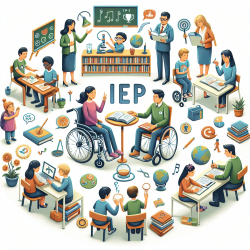
In the realm of special education, Individual Education Plans (IEPs) serve as vital tools for tailoring educational experiences to meet the unique needs of students. As an online therapy service provider like TinyEYE, understanding the intricacies of IEPs can significantly enhance how we support schools in delivering customized learning experiences.
The Basics of an IEP
An IEP is a meticulously crafted document that outlines the specific modifications or adaptations required for a student with special needs. It serves as a roadmap for educators and parents alike, detailing how to best support the student's educational journey. An IEP becomes essential when a student’s learning program requires either adaptations or modifications.
- Adapted Programs: These programs maintain the curriculum's learning outcomes but include adjustments to help the student participate effectively. Examples include alternative formats like audiobooks, visual aids, and modified assessment procedures such as oral exams.
- Modified Programs: These have learning outcomes that differ significantly from standard curricula to cater specifically to the student's needs.
The Preplanning Stage
Before an IEP is developed, several critical steps must be undertaken:
- Systematic assessment and evaluation by educators.
- Consultations between teachers and school-based colleagues.
- Introduction and evaluation of alternate strategies.
- A referral to a school-based team for specialized assessments if necessary.
Forming the IEP Team
The creation of an IEP is a collaborative effort that requires input from various stakeholders. Depending on the student's needs, the team might include:
- Classroom teachers and school administrators.
- Parents or guardians and possibly the student themselves.
- School-based and community support staff involved in implementing the IEP.
An IEP case manager is crucial in coordinating these efforts, ensuring regular monitoring of progress, organizing meetings, and maintaining records.
Navigating the IEP Meeting
The IEP meeting is a cornerstone of this process. Parents should be active participants as they offer valuable insights into their child’s development. Here are some tips for conducting effective meetings:
- Introduce all members and designate a recorder.
- Set a clear agenda and timeline for the meeting.
- Compile information on an IEP form and ensure consensus on goals and timelines.
Writing and Implementing the IEP
An effective IEP should clearly outline what the student knows and can do, their degree of participation in regular programs, areas needing modification or adaptation, and future learning goals. Implementation involves putting into practice strategies agreed upon by the team, which may include curriculum modifications or adaptive technologies.
Regular Review and Reporting
The effectiveness of an IEP hinges on regular reviews to assess progress towards goals. Questions such as whether the plan reflects current needs or if new objectives are needed should guide these reviews. Reporting should comprehensively cover progress across all areas of the program.
The Road Ahead
The ultimate goal is to empower students with special needs to thrive in their educational environments. By understanding and effectively implementing IEPs, educators can unlock each student's potential. For more information on developing robust IEPs, please follow this link.
This blog post draws extensively from resources prepared by The First Nations Education Steering Committee and Schools Association. Their comprehensive handbook serves as an invaluable guide for educators navigating the complexities of special education planning.