When “We’re on the Waitlist” Becomes a Learning Barrier
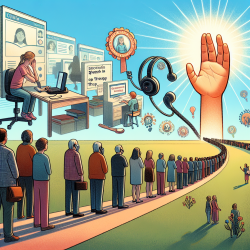
In schools, time matters. A few months without the right support can mean a student falls further behind in reading, writing, social communication, and classroom participation. Yet across Canada, families and school teams are hearing the same message: “The wait is long.”
From a special education perspective, waitlists don’t just delay services—they can change a student’s trajectory. The earlier we support speech and language needs, the more we can reduce downstream impacts on literacy, behavior, and confidence.
This is why many school divisions are looking for immediate, practical options that fit real-world staffing challenges. One of the fastest ways to respond is to add an online Speech-Language Pathologist (SLP) option through TinyEYE Therapy Services, giving schools a way to start supporting students now rather than later.
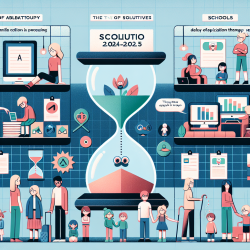
What the 2024–2025 Data Shows: Wait Times Vary, But Delays Are Widespread
The comparative data below highlights a consistent theme across provinces: public systems are under pressure, and private services are often faster—but not always accessible or affordable for every family. Schools are left trying to bridge the gap while students wait.
Cross-Provincial Comparison of Wait Times (2024–2025)
- British Columbia
- Public assessment wait (preschool): 12–18 months (Island); 6–12 months (Mainland)
- Public autism assessment wait: ~18 months
- Private assessment wait: < 4 weeks
- Private intervention wait (prime time): 3–6 months
- Alberta
- Public assessment wait (preschool): 6–12 months
- Public autism assessment wait: 12+ months
- Private assessment wait: Immediate
- Private intervention wait (prime time): 1–3 months
- Saskatchewan
- Public assessment wait (preschool): 12+ months (Rural); variable (Urban)
- Public autism assessment wait: 24–30 months
- Private assessment wait: < 4 weeks
- Private intervention wait (prime time): Immediate–1 month
- Manitoba
- Public assessment wait (preschool): “No waitlist” (triage/consult only)
- Public autism assessment wait: 18+ months
- Private assessment wait: Immediate
- Private intervention wait (prime time): 1–2 months
- Ontario
- Public assessment wait (preschool): 4–6 months
- Public autism assessment wait: Wait for funding: 5+ years
- Private assessment wait: Immediate
- Private intervention wait (prime time): 3–6 months
The Hidden Cost of Waiting: What Schools See First
When a student needs speech-language support, the impact is rarely limited to “speech.” In classrooms, communication is the foundation for learning and relationships. Long delays often show up as:
- Literacy struggles (phonological awareness, vocabulary, comprehension, narrative skills)
- Reduced participation (students avoid answering, presenting, or group work)
- Behavior that looks like “noncompliance” but is often frustration or misunderstanding
- Social challenges (difficulty initiating, maintaining conversation, interpreting cues)
- Increased staff workload as teachers and resource teams try to compensate without specialist support
From a special education lens, the most concerning part is that these patterns can become entrenched. The longer a student experiences repeated communication breakdowns, the more likely they are to disengage academically and socially.
Why Private “Immediate” Isn’t a Complete Solution
It’s tempting to look at the private wait times and think the problem is solved. But school teams know the reality is more complicated. Even when private assessments are “immediate,” intervention can still take months—especially during prime after-school hours. And many families face barriers such as:
- Cost and insurance limitations
- Transportation and scheduling constraints
- Rural access challenges
- Difficulty coordinating goals between private therapy and school programming
Schools need solutions that work within the school day, align with educational goals, and can scale across multiple students—not just those who can access private services.
An Immediate Option Schools Can Use: TinyEYE Therapy Services (Online SLP)
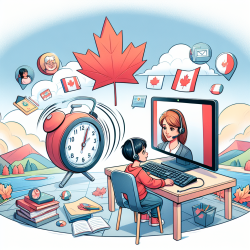
If your school or division is facing SLP shortages, unfilled positions, or service backlogs, TinyEYE Therapy Services can function as an immediate online option to help students access support without waiting for local staffing to catch up.
Online therapy is not “less than” in-person therapy when it’s delivered thoughtfully. For many students, especially those who benefit from structured routines and visual supports, a teletherapy format can be highly effective. The key is matching services to student needs and ensuring collaboration with school staff.
How Online SLP Services Help Schools Respond Faster
- Start services sooner by reducing dependency on local hiring timelines
- Support continuity when vacancies, leaves, or turnover disrupt in-person coverage
- Reach rural and remote communities where recruitment is consistently difficult
- Provide flexible scheduling that fits within the school day
- Align therapy goals with classroom needs through collaboration with educators and student support teams
What “Right Now” Support Can Look Like in Schools
When a student is waiting for a public assessment or an autism assessment pathway, schools can still act. While every jurisdiction has its own processes, there are practical, student-centered steps that can begin immediately.
School-Based Actions That Pair Well With Online SLP Support
- Target functional communication for classroom participation (asking for help, clarifying, self-advocacy)
- Build language for learning (vocabulary, sentence structure, comprehension strategies)
- Support social communication (turn-taking, perspective-taking, conversational repair)
- Coach staff on communication-friendly classrooms (visual supports, simplified language, wait time, modeling)
- Use data-informed goals so progress can be tracked and shared with the team
These supports are especially important for students who are “not quite qualifying yet” or who are stuck in long assessment queues. In special education, we often say: don’t wait for the perfect paperwork to begin meaningful support.
How to Use Wait-Time Data to Make Better Service Decisions
The table isn’t just interesting—it can guide planning. If you’re a school leader, student services coordinator, or special education administrator, consider using the data in these ways:
- Forecast demand: If public preschool waits are 6–18 months, expect more K–2 students arriving with unmet needs.
- Plan for assessment-to-intervention gaps: Even when assessments happen, intervention often lags (especially in prime time).
- Strengthen early intervention inside schools: The earlier you support language, the more you protect literacy outcomes.
- Build a service “bridge”: Online SLP services can provide coverage while hiring and public pathways catch up.
A Practical Bottom Line for Schools
Across provinces, the pattern is clear: families and schools are navigating long waits, and students are the ones who pay the price in lost learning time. Schools don’t control the public system’s timelines—but they can control how quickly they respond within their own service model.
Adding TinyEYE Therapy Services as an online SLP option gives schools a way to reduce delays, stabilize service delivery, and support students before gaps widen. In special education, timely support is not a luxury—it’s access.
For more information, please follow this link.