When a child is “hard to understand,” it can affect much more than conversation. Speech that is unclear can make it difficult for students to participate in class, build friendships, and show what they know academically. The good news: with the right support, many children make meaningful progress in speech clarity and confidence.
What does “hard to understand” mean?
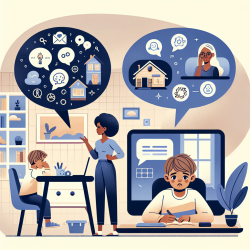
Speech-language pathologists often use the term intelligibility to describe how well others can understand a child’s speech. Some children may be understood at home but not at school, where background noise, faster routines, and unfamiliar listeners make communication harder.
Common reasons a child may be difficult to understand
- Speech sound disorders (difficulty producing certain sounds, patterns like leaving off ending sounds, or substituting one sound for another)
- Phonological differences (sound pattern errors that impact many words)
- Motor speech challenges (such as childhood apraxia of speech, where planning and coordinating speech movements is difficult)
- Hearing concerns (even mild or fluctuating hearing loss can affect sound development)
- Language differences (multilingual learners may show differences that are not disorders; careful evaluation matters)
Signs schools and families can watch for
- Frequent “What?” or “Say that again” from teachers or peers
- Frustration, withdrawal, or avoidance of speaking
- Peers speaking for the child or the child relying on gestures
- Difficulty being understood in longer answers, presentations, or group work
How speech therapy helps
Speech therapy targets the specific sounds or patterns affecting clarity and builds skills step-by-step. Effective intervention often includes:
- Direct practice with accurate sound production
- Strategies for slowing rate and increasing clarity
- Home and classroom carryover activities to support generalization
- Collaboration with educators so communication goals align with classroom demands
How TinyEYE supports schools with online therapy
TinyEYE provides online therapy services to schools, helping students access speech-language support when in-person staffing is limited or caseloads are high. With a secure, school-friendly platform, clinicians can deliver individualized sessions, track progress, and collaborate with school teams—supporting continuity of services and helping students build clearer, more confident communication.
For more information, please follow this link.