Does Online Speech Therapy Actually Work?
Schools are being asked to do more than ever: meet growing student needs, maintain compliance, and support staff—often while navigating shortages in specialized roles. In that reality, many school teams and families ask an important question: does online speech therapy actually work?
The answer, supported by years of practice and a growing body of research, is yes—online speech therapy can be effective for many students when it is delivered by qualified clinicians, paired with appropriate technology, and aligned with each learner’s goals.
At TinyEYE, we provide online therapy services to schools, and we’ve seen firsthand how teletherapy can help students build communication skills that carry into the classroom, the playground, and beyond.
What “Works” Means in School-Based Speech Therapy
Before comparing in-person and online services, it helps to define what success looks like in a school setting. Effective speech-language services are not just about “doing activities.” They are about measurable progress toward functional communication and educational access.
In schools, speech therapy “works” when it helps students:
- Make progress on IEP goals (articulation, language, fluency, pragmatics, voice, AAC support, and more)
- Access curriculum and participate in classroom routines
- Improve intelligibility and confidence when speaking
- Strengthen comprehension, vocabulary, grammar, and narrative skills
- Build social communication skills that support peer relationships
Online speech therapy can support all of these outcomes—especially when sessions are structured, individualized, and connected to classroom expectations.
Why Online Speech Therapy Can Be Effective
1) It’s Still Evidence-Based Therapy—Just Delivered Differently
Teletherapy is not a different profession. It is a service delivery model. The same clinical decision-making applies: assessment, goal selection, data collection, progress monitoring, and adjustments based on student response.
Qualified speech-language pathologists can use evidence-based approaches online, including:
- Explicit instruction with guided practice
- Modeling, cueing, and feedback
- Drill practice for speech sound targets when appropriate
- Language intervention using visuals, stories, and structured tasks
- Pragmatic language coaching using role-play and video-based supports
In other words, the “active ingredients” of therapy—skilled instruction, repetition, meaningful practice, and responsive teaching—can absolutely happen through a screen.
2) High Engagement Through Interactive Digital Tools
One of the most practical advantages of online speech therapy is the ability to use interactive materials that keep students engaged and focused. Many students respond well to digital visuals, on-screen manipulatives, and game-like practice—especially when the clinician uses them intentionally to target specific skills.
Engagement matters because therapy requires effort. When students are motivated, they tend to:
- Attempt more trials (more practice opportunities)
- Tolerate correction more easily
- Stay with tasks longer
- Generalize skills more readily
For some learners, the online environment reduces distractions found in busy school spaces and allows the session to feel more structured and predictable.
3) Consistency and Access—Even When Staffing Is Hard
Many districts face ongoing challenges hiring and retaining speech-language pathologists. When services are delayed or inconsistent, students can miss critical windows for progress, and teams can feel pressure around compliance and caseload management.
Online therapy can help schools maintain continuity by:
- Filling vacancies more quickly
- Reducing missed sessions due to travel time between buildings
- Offering access to clinicians with specialized experience
- Supporting service delivery in rural or high-need areas
When therapy is consistent, students benefit. Skills build over time, and progress is easier to measure and sustain.
4) A Comfortable Setting Can Reduce Anxiety
Some students experience anxiety when working face-to-face, especially if they have a history of communication breakdowns or feel self-conscious about speech differences. In an online session, the student may feel a bit more control over the interaction—often resulting in increased willingness to participate.
This can be particularly helpful for students who:
- Are hesitant to speak in front of peers
- Need extra time to process and respond
- Benefit from clear visual structure and predictable routines
- Have attention or regulation needs that improve with a calmer environment
5) Strong Data Collection and Goal Tracking
Effective therapy is measurable. Online platforms often make it easier to track trials, accuracy, cueing levels, and progress across sessions. When clinicians consistently collect data, IEP teams can make better decisions about what’s working and what needs to change.
Clear data supports:
- Progress reports that are specific and meaningful
- Timely goal updates
- Better collaboration with teachers and families
- Instruction that stays aligned with student needs
What Makes Online Speech Therapy “Good” (Not Just Convenient)
Online therapy is most effective when it is designed thoughtfully. Here are the elements that make a real difference in outcomes.
Qualified Clinicians and School-Based Expertise
Students make progress when therapy is delivered by clinicians who understand school systems, IEP requirements, and educational impact. School-based therapy is not the same as private practice—it requires collaboration, documentation, and a focus on functional skills that support learning.
Clear Routines and Session Structure
Many students—especially those with learning differences—thrive with predictable routines. A strong online session often includes:
- A brief check-in and review of goals
- Targeted teaching (clear explanation and modeling)
- High number of practice opportunities
- Feedback and strategy coaching
- A quick summary of what was learned and what comes next
Support From On-Site Staff When Needed
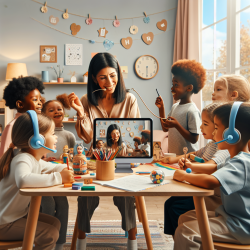
For some students, especially younger learners or those with complex needs, having an on-site facilitator (such as an educational assistant or designated staff member) can help with:
- Logging in and setting up
- Managing materials
- Supporting attention and behavior
- Helping the student apply strategies outside the session
This team-based approach strengthens carryover and makes therapy feel connected to the school day.
Intentional Generalization to the Classroom
The goal is not just success during therapy—it’s success during real communication. Strong teletherapy includes planning for generalization, such as:
- Using classroom vocabulary and curriculum topics
- Practicing directions, narratives, and explanations students need in class
- Coaching self-advocacy phrases (e.g., “Can you repeat that?” “I need more time.”)
- Collaborating with teachers on strategies that support communication
Which Students Benefit Most From Online Speech Therapy?
Many students do well online, and a wide range of goals can be addressed virtually. Teletherapy can be a great fit for students who:
- Respond well to visual learning and structured tasks
- Need articulation practice with clear modeling and feedback
- Are working on language skills like vocabulary, grammar, and comprehension
- Benefit from social communication coaching and role-play
- Use or are learning AAC systems (with coordinated support)
As with any service model, there are students who may require additional supports or a different approach. The key is individualized decision-making—matching the service delivery to the student’s needs, not forcing the student to fit the model.
Common Concerns About Online Speech Therapy (And What Helps)
“Will my student pay attention on a screen?”
Attention is a valid concern, but it’s not unique to teletherapy. Skilled clinicians use pacing, interactive tasks, and clear expectations to keep students engaged. Shorter, focused activities and frequent response opportunities often help.
“What about technology issues?”
Reliable internet and a quiet space matter. Schools can support success by establishing simple routines for setup, using headphones when appropriate, and having a plan for quick troubleshooting.
“Is it as personal as in-person therapy?”
Therapeutic relationships can absolutely form online. Students still experience encouragement, connection, humor, and trust. Many clinicians find that students open up quickly when sessions feel safe, predictable, and supportive.
The Bottom Line: Yes, Online Speech Therapy Can Work—And Work Well
Online speech therapy is not a shortcut. When delivered intentionally, it is a powerful way to provide consistent, high-quality support to students who need it. It can increase access, improve continuity, and help schools meet service demands—while still focusing on what matters most: student progress.
For districts navigating staffing challenges or looking for flexible, effective service delivery, teletherapy can be a strong solution. And for students, it can be an engaging, supportive path toward clearer speech, stronger language, and greater confidence.
For more information, please follow this link.