
For many children, talking is the way they connect to friends, show what they know in class, and share their personality with the world. When stuttering shows up, it can make those everyday moments feel unexpectedly hard—for the child and for the adults who care about them.
The good news is that stuttering is treatable. With the right support, children can build effective communication skills, reduce struggle, and grow confidence. This post explains what stuttering can look like, how therapy helps, what families and schools can do, and how online therapy—such as TinyEYE Therapy Services—can be a practical option for students.
What is stuttering?
Stuttering (also called a fluency disorder) is a speech difference that affects the flow of talking. Many people think of stuttering as “repeating sounds,” but it can include several patterns.
Repetitions: repeating sounds, syllables, or words (for example, “b-b-b-ball” or “I-I-I want”).
Prolongations: stretching a sound (for example, “sssssometimes”).
Blocks: getting “stuck” where no sound comes out for a moment, even though the child is trying to speak.
Secondary behaviors: extra movements or strategies a child may use when speech feels difficult (blinking, facial tension, looking away, tapping, or changing words).
Stuttering can vary from day to day. A child may speak smoothly at home and struggle more in the classroom, or speak easily when relaxed and have more difficulty when excited, rushed, or under pressure.
When should adults be concerned?
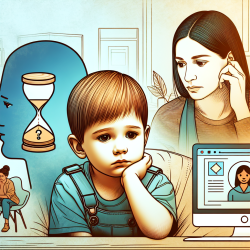
Many young children go through periods of typical disfluency as language develops—especially between ages 2 and 5. That said, certain signs suggest it’s time to consult a speech-language pathologist (SLP) for an evaluation.
Stuttering lasts longer than 6 months or seems to be increasing.
The child shows tension, struggle, or frustration when talking.
There are blocks, prolongations, or noticeable physical behaviors.
The child begins avoiding talking, changing words, or staying quiet in class.
There is a family history of stuttering.
Teachers report the child is participating less or appears anxious about speaking.
An evaluation does not “label” a child in a negative way. It simply clarifies what’s happening and identifies supports that can make communication easier.
How stuttering can affect school and social life
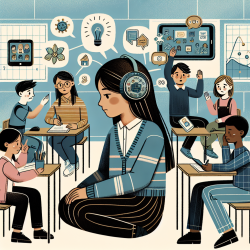
Stuttering is not a measure of intelligence, effort, or capability. Still, it can impact a child’s school experience in real ways.
Class participation: a child may avoid raising their hand, reading aloud, or asking for help.
Peer relationships: fear of teasing or being interrupted can lead to social withdrawal.
Academic performance: knowledge may be strong, but oral responses, presentations, and group work can be stressful.
Self-esteem: children may internalize the idea that talking is “dangerous” or that they should speak less.
Effective stuttering therapy addresses both the speech behaviors and the child’s feelings and confidence. That whole-child approach matters.
What does stuttering therapy for children look like?
Stuttering therapy is not one-size-fits-all. An SLP considers the child’s age, severity, communication needs, and emotional response to stuttering. Therapy may include a combination of strategies.
1) Building healthy communication attitudes
One of the most powerful therapy outcomes is helping a child feel safe to communicate. This can include:
Learning that stuttering is just one way speech can sound
Reducing shame and fear around talking
Practicing self-advocacy (for example, “Sometimes I stutter—please give me a moment.”)
2) Fluency shaping strategies
These approaches aim to make speech smoother by adjusting how speech is produced. Depending on the child, an SLP may teach techniques such as:
Slower, more relaxed rate
Gentle starts to words (easy onsets)
Light contact for sounds (reducing tension)
Breath support and phrasing
The goal is not to make a child sound “perfect.” The goal is to reduce struggle and increase control and comfort.
3) Stuttering modification strategies
For some children, therapy focuses on reducing the impact of stuttering moments rather than eliminating them. This can include:
Noticing tension and learning to release it
Practicing “easier stutters”
Learning how to move through a block with less effort
4) Parent and teacher coaching
Children make faster progress when the adults around them understand how to respond. Therapy often includes coaching to help families and school teams create supportive communication environments.
What families can do at home (simple changes that help)
Families don’t need to become speech therapists to make a difference. Small shifts in communication routines can reduce pressure and support confidence.
Slow down your own speech rate slightly. A calm pace can be contagious.
Pause before responding to show you’re listening, not rushing.
Maintain natural eye contact and let your child finish without interrupting.
Focus on the message rather than how it comes out.
Avoid “Just slow down” or “Take a breath” in the moment. Even well-meant reminders can increase self-consciousness.
Protect talking time—one-on-one moments where your child can speak without competing for attention.
If your child expresses frustration, you can acknowledge it gently: “That word felt stuck. I’m glad you kept going. I’m listening.”
What teachers and schools can do (support in the classroom)
School is where many children feel the most pressure to speak quickly and perform. Supportive classroom practices can reduce stress and increase participation.
Give options for demonstrating learning: oral response, recorded response, small-group presentation, or written response when appropriate.
Don’t finish words or sentences for the student.
Set a respectful tone: address teasing immediately and teach classmates about differences in communication when appropriate.
Preview speaking tasks: let the student know ahead of time if they’ll be called on to read or present.
Allow extra time for oral responses without penalizing the student.
When school teams collaborate with an SLP, they can align supports across settings—classroom, small group, and home.
Why early support matters (without panic)
Some children recover from early stuttering naturally, while others benefit from targeted therapy. The key is not to wait until a child is avoiding speaking or feeling ashamed. Early, supportive intervention can:
Reduce struggle behaviors and tension
Build strong communication habits
Protect participation and social connection
Support confidence during key developmental years
Even when stuttering continues, therapy can help a child become an effective, confident communicator who participates fully in school and life.
How online stuttering therapy can help: TinyEYE Therapy Services
Access is often the biggest barrier—schools may face SLP shortages, long waitlists, or scheduling constraints. Online therapy can help bridge that gap while still providing high-quality, student-centered care.
TinyEYE Therapy Services provides online speech-language therapy to schools, making it possible for students to receive consistent support without leaving the school building. Online sessions can be especially helpful for stuttering therapy because they allow:
Consistent scheduling: regular sessions support skill-building and carryover.
Engaging, interactive tools: digital activities can keep children motivated while practicing fluency strategies.
Real-world communication practice: students can practice speaking in structured and unstructured tasks, with coaching that generalizes to classroom participation.
Collaboration with school teams: progress is strongest when SLPs, educators, and families share strategies and goals.
For many students, the most important therapy outcome is not “never stuttering again.” It’s speaking with less fear, more flexibility, and more confidence—whether speech is perfectly fluent or not.
A final note for caregivers: your child is more than their stutter
Children who stutter are often bright, thoughtful, and eager to connect. They deserve patient listeners and practical tools—not pressure. With supportive adults and effective therapy, children can learn to communicate comfortably and participate fully in school, friendships, and family life.
For more information, please follow this link.