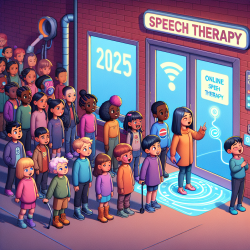
Waitlists Aren’t Just a Scheduling Problem
Across Canada, many schools and communities are facing a familiar and frustrating reality: students who need speech-language support are waiting longer than ever. It’s easy to assume the issue is simply “not enough appointments,” but the real story is bigger. Waitlists are often a symptom of deeper systemic pressures—workforce trends, funding structures, and service models that can unintentionally reduce meaningful access to therapy.
For school teams, this matters because speech and language needs don’t pause while a child waits. Communication impacts learning, behavior, literacy, peer relationships, and mental health. When support is delayed, the ripple effects show up in classrooms, resource rooms, and homes.
The Workforce “Brain Drain”: Why Public Systems Are Losing SLPs
One critical, often overlooked driver of waitlists is the migration of speech-language pathologists (SLPs) from public systems (schools and health units) to private practice. This shift is sometimes described as a “brain drain,” and it has real consequences for students—especially in rural and underserved regions.
Burnout: Caseloads That Outrun Clinical Time
Many public sector SLPs are carrying caseloads of 60–100 children. Even for the most skilled clinician, that volume can make it difficult to provide consistent, high-quality intervention. Add the administrative burden—documentation, meetings, compliance tasks, and the ongoing work of “managing waitlists”—and direct therapy time gets squeezed.
When clinicians spend more hours triaging than treating, the system can look busy without delivering enough therapy minutes to move the needle for students who need intensive support.
Compensation and Flexibility: Private Practice Pull Factors
In provinces like Alberta and British Columbia, private practice can offer comparable or even better compensation, often paired with more flexibility and fewer bureaucratic constraints. For clinicians who are already stretched thin, the choice can feel straightforward: move to an environment where they can control their schedule, focus on clinical work, and reduce administrative overload.
The Impact: Vacancies That Stay Vacant
As experienced clinicians leave public roles, vacancies can remain unfilled—particularly in rural Saskatchewan and parts of British Columbia. This creates a compounding problem:
- Fewer SLPs remain in public roles
- Caseloads increase for those who stay
- Burnout risk rises
- More clinicians leave
- Waitlists grow even longer
For schools, this can translate into reduced service frequency, limited direct intervention, and difficult decisions about who receives support first.
The Socioeconomic Divide: A Two-Tier Reality
Waitlists don’t affect all families equally. In practice, access to speech-language therapy can become a two-tier system—where a child’s timeline for support depends heavily on family resources rather than clinical need.
The “Haves”: Early Intervention When It Matters Most
Families with strong insurance coverage, FSCD/AFU funding, or high disposable income can often access private services quickly. Their children are more likely to receive intervention during the critical early years (0–3), when brain development and communication foundations are rapidly forming.
The “Have-Nots”: Delays That Become Exclusionary
Families who rely on public systems may face waits that push therapy beyond age 3 or 4. In Saskatchewan and British Columbia, these delays can be functionally exclusionary—meaning the child may miss key windows for early support, or enter school without the communication skills needed to fully access learning.
The “Middle”: Squeezed the Hardest
In Manitoba and Saskatchewan, middle-income families can be hit especially hard. They may earn too much to qualify for certain social supports, yet not have diagnosis-based funding (such as FSCD) that helps cover the cost of ongoing therapy. When therapy can cost hundreds of dollars per month, families may be forced into impossible choices.
From a special education perspective, this inequity shows up as uneven readiness: two students with similar needs can have very different outcomes depending on whether they received timely, consistent intervention.
The Illusion of “Access”: When Consultation Replaces Therapy
In response to capacity shortages, some public systems have increasingly adopted consultative models. Consultation can be valuable—especially when it supports carryover strategies and empowers educators and caregivers. But it becomes problematic when it is used as a substitute for therapy rather than a complement to it.
Here’s the concern: if a parent receives a 15-minute consultation, the system may be able to claim the child has been “served.” On paper, that looks like access. In real life, it may not meet the student’s needs.
Why Some Students Need Direct, Skilled Intervention
For certain profiles, parental coaching alone is not sufficient. For example:
- Motor speech disorders (including Childhood Apraxia of Speech) often require direct, high-frequency practice with precise clinician feedback and shaping.
- Severe autism with complex communication needs may require structured, individualized intervention and careful data-based adjustments.
- Significant phonological or language disorders may need systematic teaching, progress monitoring, and targeted supports that go beyond general strategies.
Consultation can support the team, but it cannot replace hands-on therapy for students who need direct clinical manipulation, modeling, and real-time correction.
What Schools Can Do: Practical, Student-Centered Options
Schools can’t solve the entire workforce pipeline overnight, but they can take steps that reduce delays and protect service quality. The goal is not simply to “check a box” for service delivery, but to ensure students receive meaningful intervention.
1) Name the Need Clearly
When staffing is limited, it helps to be explicit about which students require direct therapy versus consultative support. Clear criteria can prevent the unintentional overuse of consultation for students who need intensive intervention.
2) Build Service Models That Protect Therapy Time
Even small operational changes can help clinicians spend more time treating and less time triaging. Schools can review:
- Meeting loads and scheduling expectations
- Documentation requirements and templates
- Processes for referrals and re-referrals
- How waitlists are managed and communicated
3) Add Capacity with Online Therapy Services
One immediate way to address shortages—especially when positions are vacant or hard to recruit—is to add online therapy as part of the service continuum. TinyEYE Therapy Services provides online therapy services to schools, helping districts expand access to qualified clinicians without being limited by local hiring constraints.
Online therapy can support schools by:
- Reducing wait times for students who need direct intervention
- Providing consistent service even when in-person staffing changes
- Supporting rural and remote communities where recruitment is difficult
- Helping teams maintain therapy frequency and continuity
For many students, what matters most is not the building the clinician is in—it’s the quality, consistency, and responsiveness of the intervention plan.
Moving from “Served” to Supported
Waitlists, workforce shortages, and shifting service models can create a system where students appear to have “access,” yet still don’t receive enough therapy to make meaningful progress. As educators and clinicians, we can keep the focus where it belongs: on outcomes, equity, and timely support.
When schools acknowledge the systemic drivers—burnout, the public-to-private workforce shift, and the socioeconomic divide—they can make more strategic choices. Adding capacity through online options like TinyEYE Therapy Services is one practical step schools can take now to reduce delays and ensure students receive the direct services they need.
For more information, please follow this link.