When “S” Sounds Like “TH”: Why This One Sound Matters More Than You Think
If your child can’t say the “S” sound, you’re not alone. Many families hear “thun” for “sun” or “I thee it” instead of “I see it,” and wonder: Is this normal? Will they grow out of it? Should we correct it? Is it a lisp?
As someone with a special education background, I’ll say this clearly: speech sound errors can be developmentally typical for a while, but they can also become a barrier in school if they persist. The good news is that “S” is a sound speech-language pathologists (SLPs) work on every day—and progress can be very strong with the right support.
What It Usually Means When a Child Can’t Say the “S” Sound
The “S” sound is a precise sound. It requires:
- Good tongue placement (typically behind the teeth, not between them)
- Controlled airflow (a narrow stream of air)
- Stable jaw and lip positioning
- Enough awareness to hear the difference between “s” and “th” (or “sh”)
When something in that system is off, children may substitute, distort, or avoid the sound. The most common patterns include:
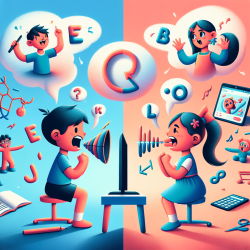
- Interdental lisp: the tongue comes forward between the teeth, and “s” sounds like “th” (sun → “thun”).
- Dentalized lisp: the tongue pushes against the teeth, making “s” sound muffled.
- Lateral lisp: air escapes over the sides of the tongue, creating a “slushy” sound (often more noticeable and less likely to self-correct).
- “S” becomes “sh”: “sip” becomes “ship.”
Is It Developmentally Normal?
Some speech sound patterns are common in early childhood, and many children improve with maturity. However, “S” is often expected to be clearer as children move through the early elementary years. If a child is in school and still struggling, it’s worth paying attention—especially if:
- Teachers or peers frequently ask them to repeat themselves
- The child avoids speaking in class or becomes self-conscious
- Errors show up in reading or spelling (writing “thun” for “sun”)
- The child is difficult to understand when speaking quickly
- The lisp is lateral (that “slushy” quality)
In school settings, speech clarity is not just about sounding “cute” or “correct.” It affects participation, presentations, social connections, and confidence. For some students, it can also affect literacy skills because speech sounds and letters are tightly connected in early reading instruction.
Why “Just Tell Them to Say It Right” Usually Doesn’t Work
Many well-meaning adults try quick fixes like “Put your tongue back” or “Say it like me.” Sometimes that helps briefly, but often it doesn’t stick. Here’s why:
- Motor patterning: Speech is a learned motor skill. If a child has practiced the “wrong” pattern thousands of times, they need structured practice to build a new habit.
- Awareness: Some children genuinely do not hear the difference between their sound and the adult sound at first.
- Generalization: Even when a child can say “ssss” in isolation, carrying it into words, sentences, conversation, and the classroom takes a plan.
Effective therapy doesn’t rely on reminders alone. It uses step-by-step instruction, feedback, and practice that moves from easy to hard in a way the child can succeed.
What an SLP Looks For (And Why Schools Often Lead the Way)
When an SLP evaluates an “S” sound concern, they consider more than the single sound. They may look at:
- How the child produces other sounds (like “z,” “sh,” “ch,” and “t”)
- Oral-motor patterns related to tongue placement and jaw stability
- Whether the child can discriminate sounds (hearing “s” vs “th”)
- Impact on intelligibility (how well others understand them)
- Impact on academics and participation
Schools are often the best place to notice the day-to-day impact. A child might speak less at home when unsure, but in a classroom they are expected to answer questions, read aloud, and interact with peers. That’s why school-based speech services can be so important—and why access matters.
How Therapy Typically Helps a Child Learn the “S” Sound
While every child’s plan is individualized, “S” sound therapy often follows a progression like this:
- Build awareness: The child learns what “S” should sound like and how it differs from their current sound.
- Teach placement: The SLP helps the child find a tongue position that keeps the tongue inside the mouth and directs air forward.
- Practice in isolation and syllables: “ssss,” then “see, sah, soo.”
- Move into words: Starting with easier positions (often initial “s” like “sun,” “sip,” “sock”).
- Expand to phrases and sentences: “I see a sun.”
- Generalize to conversation: Using “s” naturally during real speaking tasks.
- Carryover and self-monitoring: The child learns to notice and correct errors independently.
This is where consistency matters. Short, targeted practice over time is often more effective than occasional, high-pressure corrections.
Where TinyEYE Fits In: Online Therapy Services That Support Schools (And Students)
At TinyEYE, we provide online therapy services to schools, including speech-language therapy for articulation concerns like difficulty producing the “S” sound. For many school teams, the challenge isn’t recognizing a need—it’s having enough qualified providers to meet it consistently.
Online therapy can help schools deliver services without the delays that can happen when staffing is tight. When therapy is consistent, students have a better chance to build the new speech pattern and maintain progress.
How Online Speech Therapy Can Work Well for “S” Sound Goals
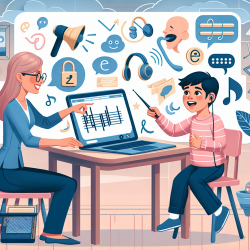
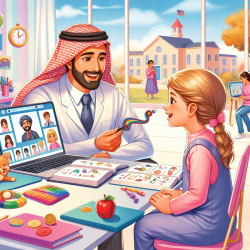
Some families wonder whether a sound like “S” can be addressed online. In many cases, yes. With a trained SLP, clear visuals, and structured activities, students can make meaningful progress. Online sessions can support:
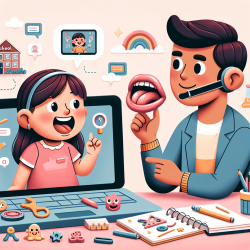
- Visual cues: Students can see the SLP’s mouth positioning and receive immediate feedback.
- Engaging practice: Therapy activities can keep repetition from feeling boring, which matters for articulation.
- Data-driven instruction: Progress can be tracked carefully so the therapy plan adjusts as the student improves.
- School collaboration: Services align with school schedules and educational goals.
Why This Matters for Special Education Teams
Speech sound goals often sit inside a bigger picture: classroom participation, social confidence, and literacy development. When a child is working on “S,” they may also be working on:
- Speaking clearly during oral reading or show-and-tell
- Participating in group work without fear of being teased
- Improving spelling patterns tied to sound-letter awareness
- Building self-advocacy skills (asking for clarification, practicing strategies)
TinyEYE’s school-based model supports that broader educational context. Therapy isn’t just about a single sound—it’s about helping students communicate effectively in the environments where they learn and grow.
What Families and Educators Can Do Right Now
If you suspect a persistent “S” sound issue, here are practical next steps:
- Notice patterns: Is it “s” only, or also “z,” “sh,” and “ch”?
- Listen for the type of lisp: “th” substitution vs “slushy” lateral airflow.
- Talk with the teacher: Ask whether it affects participation or intelligibility at school.
- Request support through the school: Schools can guide you on screening, referral, and service options.
- Avoid shaming or constant correction: Keep feedback calm and supportive.
Most importantly, remember that speech differences are not a reflection of intelligence or effort. They are skills—and skills can be taught.
The Bottom Line
When a child can’t say the “S” sound, it may be a typical developmental step—or it may be a sign they need targeted support. Either way, early attention can prevent frustration and help a child feel confident speaking in class, with friends, and at home.
For schools looking to strengthen access to speech-language services, TinyEYE’s online therapy model can help students get the consistent, expert support they need—especially for common articulation goals like “S.”
For more information, please follow this link.