Physical education plays a crucial role in the holistic development of students, providing not only physical benefits but also contributing to cognitive and social growth. For students with disabilities, adapted physical education (APE) ensures they receive equitable opportunities to engage in physical activities that are tailored to their unique needs. This guide explores the philosophy, purpose, and implementation of APE, offering insights into federal and state regulations, service options, and collaborative strategies for educators.
Understanding Adapted Physical Education
The Nebraska Department of Education emphasizes educational equity, ensuring that all students can achieve their physical education goals regardless of disabilities. Adapted physical education modifies instruction, equipment, activity rules, and environmental setups to provide a safe and comfortable learning environment. It is not about requiring students to adapt to the program but adapting the program to meet their needs.
Laws and Regulations
Federal laws such as the Individuals with Disabilities Education Act (IDEA) mandate that special education services, including adapted physical education, be provided at no cost to parents. These services must be delivered in the least restrictive environment possible. The Rehabilitation Act of 1973 and the Americans with Disabilities Act further protect against discrimination and ensure access to public services. Nebraska's Rule 51 aligns with these federal mandates by specifying that students with disabilities have access to general or specially designed physical education based on their IEPs.
Service Options for Students with Disabilities
The placement of students in physical education settings is crucial for their success and should always aim for the least restrictive environment. Options include:
- General Physical Education (GPE): For students who can participate without significant modifications.
- Adapted Physical Education (APE): Provides specialized services as part of special education programs.
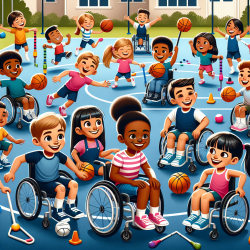
- Unified Physical Education: Combines students with and without disabilities in an inclusive setting.
- GPE with Modifications: Involves adjustments in activities or assistance from paraprofessionals or peer helpers.
- Individualized Instruction: Focuses on specific needs through targeted teaching strategies.
The Role of Collaboration
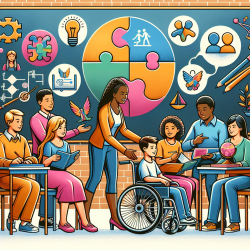
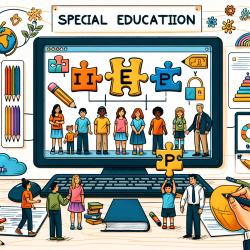
A successful adapted physical education program relies on collaboration among educators, parents, and specialists. The IEP team should include regular and special education teachers, APE specialists, parents or guardians, and when appropriate, the student. This team works together to develop goals that are specific, measurable, achievable, realistic, and time-sensitive (SMART).
Developing Goals and Objectives
The IEP outlines specific goals tailored to the student’s abilities and needs. These goals should align with national or state physical education standards. Writing effective IEP goals involves understanding the student's current performance levels through assessments rather than mere observation. Assessments should be conducted by trained professionals to ensure accurate evaluation of skills and abilities.
Resources for Educators
A variety of resources are available to assist educators in implementing adapted physical education programs:
- Fundamental Movement Skill Cards
- Special Olympics Unified Sports Resources
- Least Restrictive Environment Guidance Document
For more information on adapting physical education for individuals with disabilities, please follow this link.