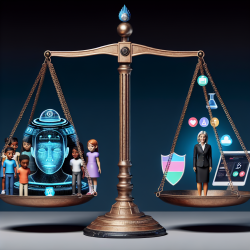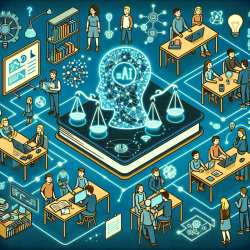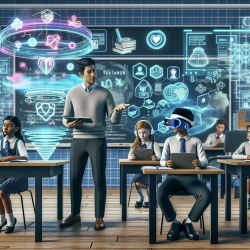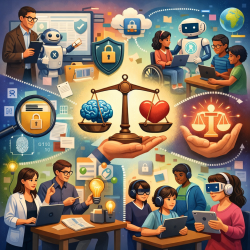
In the ever-evolving landscape of education, the integration of Artificial Intelligence (AI) tools holds the promise of transforming the way we teach and learn. With thoughtful implementation, AI can enhance inclusivity, streamline administrative tasks, and foster a dynamic learning environment. This blog explores key considerations for responsibly incorporating AI tools in K-12 schools, ensuring they serve as complements to human interactions rather than replacements.
The Framework for AI Integration
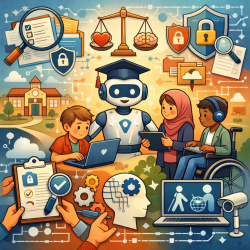
The Ministry of Education and Child Care has outlined a comprehensive framework to guide the integration of AI tools in British Columbia's K-12 schools. This framework encompasses seven categories:
- Ethical Uses
- Needs and Impacts
- Accessibility and Usability
- Integration and Compatibility
- Data Security and Privacy
- Teaching and Learning
- Inclusive Learning
These categories provide a roadmap for schools to navigate the complexities of AI adoption while addressing both educational and business needs.
Possible Uses of AI in Education
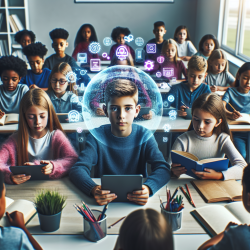
AI tools offer versatile applications that can enhance various aspects of education. From streamlining administrative tasks to fostering collaboration among educators, AI can optimize efficiency within schools. Teachers can use AI to supplement classroom instruction, enabling deeper student engagement through interactive features and personalized learning experiences. However, it is crucial to maintain human connections, as they are vital to fostering meaningful relationships between educators and students.
Responsible Integration
The successful integration of AI tools requires careful consideration of ethical implications and potential impacts on teacher workloads. Establishing transparent evaluation processes during selection and implementation is essential. Alignment with local policies ensures that chosen tools meet educational standards while safeguarding sensitive information through robust data security protocols.
Privacy Legislation and Impact Assessments
A key aspect of responsible integration involves conducting Privacy Impact Assessments (PIAs) to protect personal information collected by AI tools. These assessments ensure compliance with privacy legislation such as the Freedom of Information and Protection of Privacy Act (FOIPPA) for public schools or the Personal Information Protection Act (PIPA) for independent schools.
Tailored Guidance for Different Roles
The document provides tailored guidance for various stakeholders within the educational system:
- School Boards: Focus on ethical uses, needs and impacts, accessibility, integration, and data security.
- District Leaders: Emphasize teaching and learning alongside ethical uses and data security.
- School Leaders: Prioritize ethical uses with a focus on inclusive learning.
- Teachers: Engage with ethical uses while integrating teaching strategies that accommodate diverse needs.
Ethical Considerations and Data Security
The ethical use of AI in education involves establishing clear processes for tool evaluation and selection. It is essential to integrate discussions about AI into classroom experiences to foster critical thinking among students regarding its societal implications. Transparency with parents about AI usage is vital for building trust within the school community.
Data Security: Ensuring robust data security protocols is paramount when selecting AI tools. Schools must familiarize themselves with relevant privacy regulations and maintain control over data ownership while having clear procedures for addressing potential breaches.
Teaching, Learning, and Inclusivity
A human-centric approach should remain at the core of teaching even when integrating advanced technologies like AI. By aligning AI tools with curriculum standards across diverse learning areas—while accommodating individual needs—educators can create dynamic environments that promote engagement through interactive features.
Inclusive Learning: AI has immense potential to support inclusive learning environments by addressing individual barriers such as sensory challenges or communication difficulties. Tools designed with accessibility features ensure all students have equal opportunities regardless of their abilities or backgrounds.
The journey toward integrating Artificial Intelligence into K-12 education requires collaboration among school boards, district leaders, teachers—and most importantly—the active involvement of students themselves! By embracing this transformative technology responsibly through informed decision-making processes guided by established frameworks like those outlined above; we pave new paths toward empowering every learner on their unique educational journey!
For more information, please follow this link.