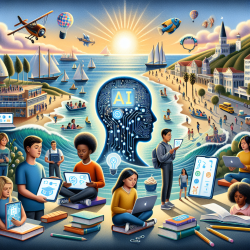
As we navigate the complexities of the 21st century, the role of education is being reimagined to meet the demands of a world increasingly influenced by artificial intelligence (AI) and other technological advancements. The question arises: What should students learn to be prepared for this new era?
The Purposes of Education: A Historical Perspective
Historically, education has served multiple purposes—imparting religious knowledge, literacy, numeracy, and more recently, providing a pathway to higher education and financial independence. In today's context, education is also about molding individuals to meet societal needs while empowering them to fulfill personal aspirations. It is essential for fostering a love for lifelong learning in an ever-evolving world.
Foundational Knowledge: The Building Blocks
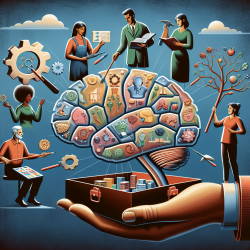
At the heart of modern education lies foundational knowledge—core concepts that students must grasp to apply learning in real-world scenarios. These include:
- Core Concepts: Fundamental ideas that enable students to make connections and transfer knowledge across various contexts.
- Essential Content: Key information that students need to internalize rather than simply search for when needed.
The Role of Core Competencies
Beyond knowledge, students must develop competencies that include:
- Skills: Abilities such as creativity, critical thinking, communication, and collaboration.
- Character: Traits like resilience, ethics, and leadership that guide behavior and engagement with the world.
- Meta-Learning: Reflective practices that promote adaptability and lifelong learning.
Navigating the Impact of AI on Employability
The rise of AI poses both challenges and opportunities for future employability. While automation may replace some routine tasks, it also creates new roles requiring non-routine interpersonal and analytic skills. Education must adapt by preparing students for these shifts through versatile learning experiences.
The Importance of Meaning and Transferable Knowledge
A solid educational foundation is built on meaningful learning experiences that encourage students to apply knowledge across different situations—a process known as transfer. This involves teaching core concepts within various disciplines and promoting interdisciplinary connections to prepare students for complex problem-solving in diverse contexts.
Modernizing the Curriculum: Adding and Removing Content
The curriculum must evolve to include modern disciplines like computer science, media studies, entrepreneurship, wellness, and social sciences while removing outdated content. This ensures relevance in a rapidly changing world where technology and global interconnectedness play crucial roles.
Conclusion: Preparing Students for the Future
The ultimate goal is to equip students with a robust understanding of core concepts that are transferable across various domains. By fostering a curriculum centered on meaningful learning and adaptability, we can prepare students not only for current challenges but also for unforeseen opportunities in their future careers.
For more information, please follow this link.